
The average U.S. household spends $2,060 per year on energy — and wastes 25–30% of it through inefficiency, according to the U.S. Energy Information Administration (EIA). That’s $500–$600 per year leaking through drafty doors, outdated thermostats, and inefficient lighting. The frustrating part: most of these losses are fixable for under $500, and the upgrades pay for themselves within a year.
On AllBetter
Need a local pro?
Post the job free and compare bids from identity-verified local pros — payment held in escrow until the work is done right.
Find a verified pro near you →Your Home Has an Invisible Monthly Tax
Skipping the DIY route? You can post the job on AllBetter and have ID-verified pros bidding in about 10 minutes — no spam calls, payment held in escrow until you approve the work.
If you saw cash leaking from your wallet, you’d fix it immediately. Homes leak money the same way — just invisibly. Drafty windows, old light bulbs, running toilets, and poor insulation don’t break anything. They just raise your bills every month, year after year.
Check your inbox for a confirmation email.
More: a toilet repair pro near you
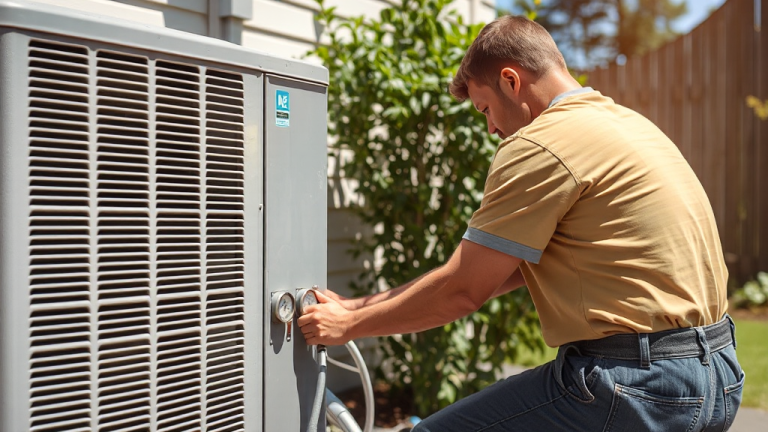
The Department of Energy (DOE) estimates that heating and cooling account for 48% of a typical home’s energy use — making HVAC efficiency the single biggest lever for savings. Before summer, run through our spring AC maintenance checklist to make sure your cooling system is running at peak efficiency. The American Council for an Energy-Efficient Economy (ACEEE) found that simple weatherization upgrades reduce heating costs by 20–30% in most homes.
The goal isn’t zero bills. It’s lowering your monthly burn rate with upgrades that pay you back faster than they cost. Adding these efficiency checks to your seasonal home maintenance checklist prevents costs from creeping back up.
The 3 Layers of Home Efficiency
Start cheap. Move smart. Avoid overkill. Every efficiency upgrade falls into one of three categories:
Layer 1: The Envelope (Air Leaks and Drafts)
Heated and cooled air escapes through door gaps, window seams, and attic hatches. Your HVAC works harder to compensate, driving up bills without improving comfort. ENERGY STAR estimates that sealing air leaks can save homeowners up to 15% on heating and cooling costs.
- Weatherstripping doors: $15–$30 in materials, 30 minutes per door
- Caulking window frames: $5–$15 per window, immediate draft elimination
- Sealing attic hatch: $10–$20, prevents the single largest air leak in most homes
- Adding door sweeps: $8–$15 each, stops cold air infiltration at floor level
These fixes cost $30–$80 total and typically reduce monthly heating/cooling costs by $15–$30. Payback: 1–3 months.
Layer 2: The Brain (Smart Temperature Control)
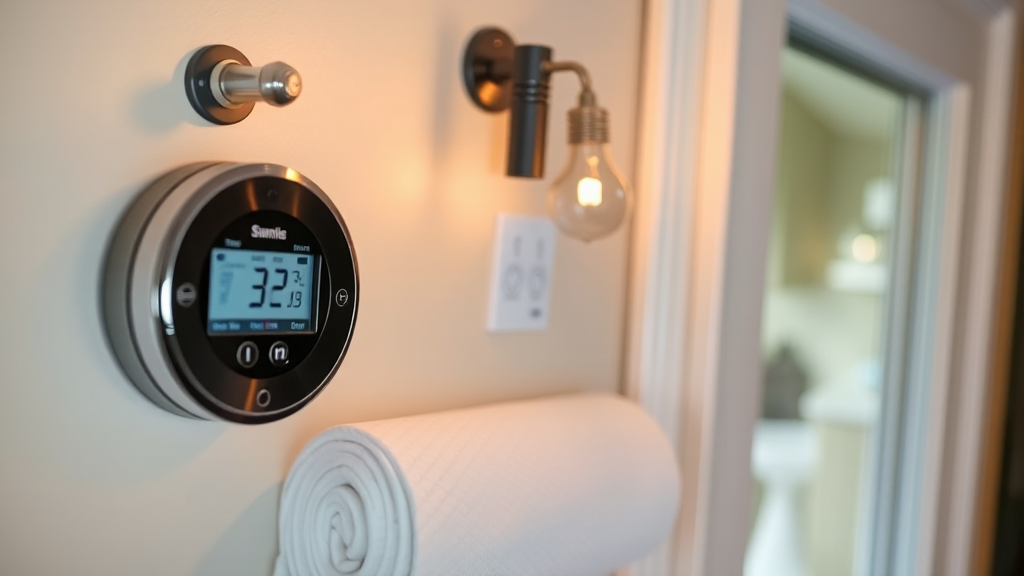
Many homes heat or cool rooms that are empty — pure waste. A programmable or smart thermostat adjusts automatically based on your schedule, preventing overuse without sacrificing comfort.
- Smart thermostat (Nest, Ecobee): $150–$250, saves $15–$30/month
- Programmable thermostat: $25–$75, manual scheduling at a fraction of the cost
- Zone dampers: $200–$500 per zone, stops conditioning unused rooms
You don’t need a smart home overhaul. One thermostat makes a measurable difference. Our guide to maximizing home energy efficiency covers advanced strategies once you’ve handled the basics.
Layer 3: The Flow (Water Waste)
Water leaks are silent budget killers. A running toilet wastes up to 200 gallons per day. A dripping faucet at one drop per second wastes 3,000 gallons per year. The homeowner’s guide to water conservation breaks down exactly where water waste hides. Landlords dealing with unexpectedly high water bills will find specific causes and fixes there.
- Toilet flapper replacement: $5–$15, stops the most common water waste source
- Low-flow showerheads: $15–$30, reduces water use by 40% without noticeable pressure loss
- Faucet aerators: $3–$8 each, cuts flow by 30% while maintaining pressure
- Faucet leak repairs: Usually a $2 washer replacement
Monthly Savings Breakdown: What the Math Looks Like
On AllBetter
Ready to get it done?
Fund escrow before work starts. Release payment when you approve the finished work.
Find a verified pro near you →| Upgrade | Cost | Monthly Savings | Payback |
|---|---|---|---|
| Smart Thermostat | $150–$250 | $15–$30 | ~9 months |
| LED Bulb Swap (whole home) | ~$50 | $10–$20 | ~3 months |
| Fix Running Toilet | ~$15 | $10–$50 | 1 month |
| Weatherstripping + Caulking | $30–$80 | $15–$30 | ~2 months |
| Low-Flow Fixtures | $20–$60 | $5–$15 | ~4 months |
Combined, these upgrades cost $265–$455 and save $55–$145 per month. That’s $660–$1,740 per year in reduced utility bills — every year, compounding. For homeowners looking at broader cost management, our guide to slashing energy bills year-round covers seasonal strategies.
of a typical home’s heating/cooling energy escapes through air leaks and poor insulation
The “Handyman Energy Sweep” — Best Value Option
You don’t need a full energy audit. You need two focused hours. A skilled handyman can install weatherstripping, replace bulbs, fix small leaks, and adjust doors and vents in a single visit. This approach costs $150–$300 for labor and materials combined — and often pays for itself in under 90 days through lower bills.
Ready to seal the leaks? Post your energy efficiency project on AllBetter to get bids from verified local pros. only pay when you win, and every contractor is identity-verified through Stripe.
Season-by-Season Savings: Timing the Work
Energy bills spike at the extremes — the average household spends about 50% more in peak summer and winter months than in spring and fall. Spring and fall are maintenance windows, when mild temperatures let you work on the envelope and systems without losing comfort; summer and winter are performance seasons, when that preparation either pays off or doesn’t.
| Season | Top action | Cost | Annual savings |
|---|---|---|---|
| Spring | HVAC tune-up + filter change | $100–$220 | $150–$300 |
| Summer | Smart thermostat + window management | $100–$300 | $160–$360 |
| Fall | Attic insulation + air sealing | $200–$1,500 | $200–$400 |
| Winter | Thermostat setback + LED upgrade | $30–$100 | $100–$250 |
Fall is the higher-stakes window because space heating is the largest single home energy expense. Check attic insulation depth against the recommended R-38 to R-60: less than 10 inches of fiberglass batts or 8 inches of blown cellulose means adding insulation, which can save $200 to $400 per heating season. Insulate hot water pipes in unheated spaces ($0.50 to $1 per foot, preventing $30 to $50 a year in lost water heating), and reverse ceiling fans to clockwise on low to push warm air back down — worth 5% to 10% on heating costs.
Winter tactics stack on top: 68°F when home and awake, 60–65°F when sleeping or away. Each degree of setback saves roughly 1% to 3%, and an 8-degree overnight setback saves 10% to 15%. Set the water heater to 120°F instead of the 140°F factory default (6% to 10% off water heating), and keep indoor humidity between 30% and 50% so the thermostat can sit 2 to 3 degrees lower. A 1,500W space heater running 8 hours a day adds $50–$70 a month — use one only if the central thermostat comes down with it.
Landscaping is the long-term play: strategically placed trees and shrubs can cut cooling costs 25% to 40% by shading walls and windows, and deciduous trees on the south and west sides give summer shade while letting winter sun through after the leaves drop.
Why Small Efficiency Upgrades Beat Big Renovations
Solar panels and major retrofits sound impressive. But most homeowners save more by sealing air, controlling temperature, and reducing water waste. These fixes cost less, finish fast, and don’t disrupt daily life.
The DOE’s analysis shows that basic weatherization delivers a better return per dollar than solar panels for the first 5–7 years in most climates. Solar makes sense after you’ve eliminated waste — not before. Start with the $300 efficiency sweep, then evaluate bigger upgrades once your baseline bills are optimized.
The priority order for maximum ROI:
- Fix active leaks first — running toilets and dripping faucets are literal money flowing down the drain. These have the fastest payback of any upgrade, often under 30 days.
- Seal the envelope — weatherstripping and caulking stop conditioned air from escaping. This is the highest-impact dollar-for-dollar upgrade because it reduces heating AND cooling costs simultaneously.
- Upgrade lighting — swapping to LEDs is a one-time cost with permanent savings. A typical home saves $75–$200 per year by replacing all incandescent and CFL bulbs with LEDs.
- Install a smart thermostat — the largest single monthly savings, but also the highest upfront cost. Worth it for any home with a regular schedule where heating/cooling runs while nobody is there.
- Add low-flow fixtures — the smallest individual savings, but the easiest upgrade. Most can be installed in under 5 minutes with no tools. Over a year, the savings are meaningful.
This sequence ensures every dollar spent on efficiency produces the fastest possible return. Homeowners who follow this order typically see their combined utility bills drop by 20–35% within 90 days of completing all five upgrades.
Our full guide to home energy efficiency covers the complete progression from basic fixes to major upgrades.
Frequently Asked Questions
Do I need a professional energy audit to lower my bills?
No. Most savings come from simple fixes you can identify yourself — drafty doors, old bulbs, running toilets, and manual thermostats. A professional audit ($200–$400) makes sense for older homes with unknown insulation status, but it’s not required to start saving immediately.
Are smart thermostats worth the investment?
Yes, especially in homes with regular schedules. ENERGY STAR-certified smart thermostats save an average of $50–$100 per year on heating and cooling. They also qualify for utility rebates in many states, reducing the effective cost to $75–$150.
How do I know if my home is leaking air?
Hold a lit incense stick near doors, windows, and electrical outlets on a windy day — smoke movement reveals air leaks. Drafts near doors, uneven room temperatures, and rooms that never reach thermostat setting are also clear signs of envelope problems.
Can a handyman handle these energy efficiency upgrades?
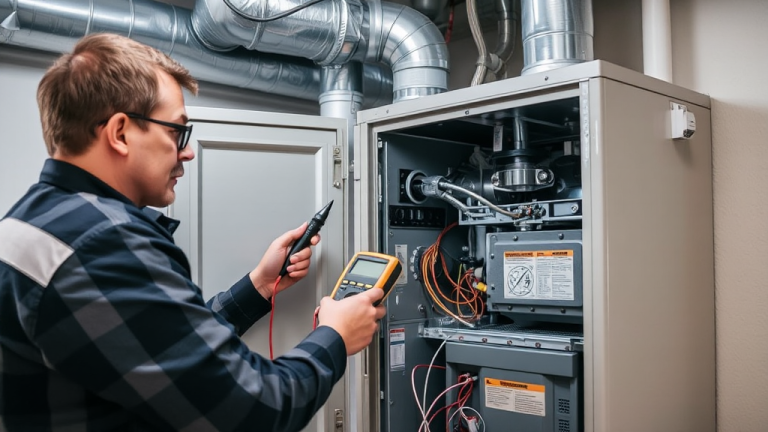
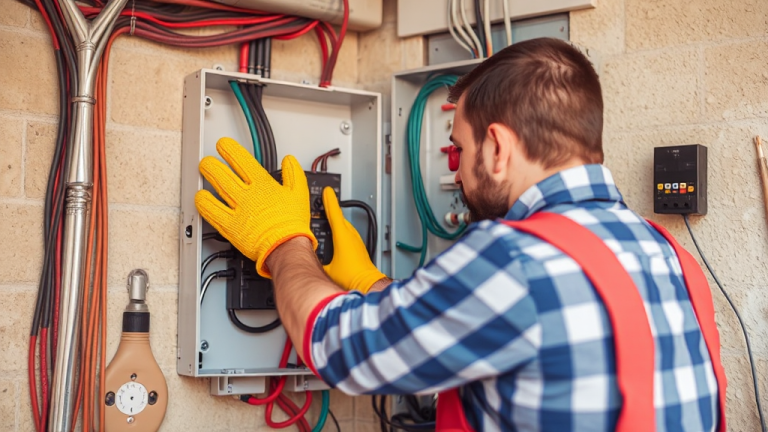
Yes. Weatherstripping, caulking, LED swaps, toilet repairs, and aerator installation are all handyman-level tasks. Only smart thermostat installation with complex wiring or ductwork modifications may require a licensed electrician or HVAC technician.
Which upgrade saves the most money fastest?
Fixing a running toilet delivers the fastest payback — often under one month. Weatherstripping is next at 1–3 months. Smart thermostats take longer to pay back (6–12 months) but provide the largest ongoing monthly savings of any single upgrade.
Will these changes affect my home’s resale value?
Yes. Lower operating costs improve buyer appeal, and energy-efficient features increasingly appear in listing descriptions. Smart thermostats and LED lighting are now expected in updated homes. ENERGY STAR certification can add 2–3% to resale value.
How much can I realistically save per month?
Most homeowners implementing all five basic upgrades (weatherstripping, smart thermostat, LEDs, toilet repair, and low-flow fixtures) save $55–$145 per month. Results vary by climate, home age, and current efficiency level, but the combined payback period is typically under 6 months.
Find Energy Efficiency Pros
Get quotes from insulation, HVAC, and weatherproofing pros on AllBetter. Free, no spam.
Hire an ID-verified home services pro — without the lead-gen markup
| Feature | Angi / Thumbtack / HomeAdvisor | AllBetter |
|---|---|---|
| Pro Identity Verified | Self-attested, no verification | Stripe Identity verification on every pro |
| Lead Fees to Pros | $15–$80 per lead (passed back to homeowner) | only pay when you win — ever |
| Payment Protection | None — you pay direct, hope for the best | Escrow Shield — you only release payment when work is approved |
| Pro Quality Filter | Anyone can sign up; reviews come later | ID-verified pros, average 3+ bids per job |
| Spam & Auto-Calls | Your phone rings for days after one inquiry | Zero spam — pros message in-platform |
Lead-fee context: home services leads on traditional platforms run $20-$80 each — that markup gets baked into your quote.
DIY-ing home services work without an ID-verified pro can turn a $200 fix into a $2,000 do-over — and the quality issues only show up months later. The safer move is to post the job on AllBetter — you get ID-verified bids in minutes, no obligation.
Your money sits in escrow and is released only when you approve the work.
Lower the Burn Rate Before Raising the Budget
You don’t need to spend more to live better. You need to stop the quiet leaks — in the air, in the water, and in the wiring. Treat your home like a system, not a problem. Choose the upgrades that pay you back every month.
Post your efficiency project on AllBetter — compare bids from local handymen, get the work done in a single visit, and start keeping the savings. escrow holds payment until you confirm the work is complete.
More AllBetter resources: