
On AllBetter
Need an HVAC pro?
Post the job free and compare bids from identity-verified local pros — payment held in escrow until the work is done right.
Find an HVAC pro near you →When the AC quits on a 95-degree day, every HVAC company in town is already booked, and panic is exactly the state of mind that overpays. Take a breath: a surprising share of “dead AC” calls turn out to be something a homeowner can check in twenty minutes — a tripped breaker, a clogged filter, a thermostat lying about its settings. Run this checklist first. If the system still will not cool, you will know what to tell the tech, and you will know what the fix should cost before the first bid lands.
What do you do when the AC stops cooling in a heat wave? Check the thermostat is set to COOL and 3–5 degrees below room temperature, then check the breaker panel for a tripped AC breaker, then check the air filter — a clogged filter is the single most common reason an AC runs but stops cooling. If the outdoor unit is iced over, switch the system OFF and the fan to ON to thaw it before any repair visit.
The First-Hour Checklist (Before You Call Anyone)
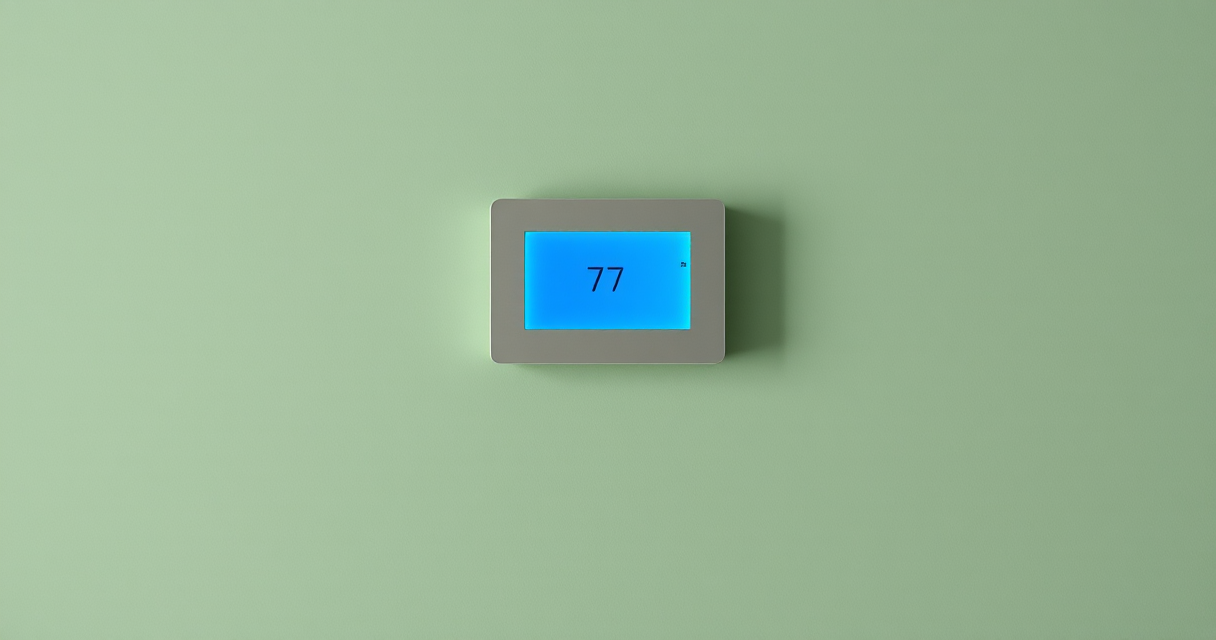
- Thermostat first. Set to COOL, not just AUTO; setpoint 3–5° below the room. Dead batteries make smart thermostats do dumb things — swap them before anything else.
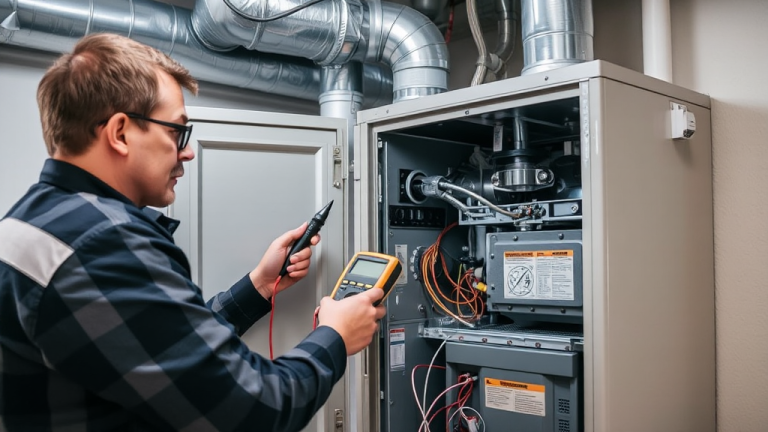
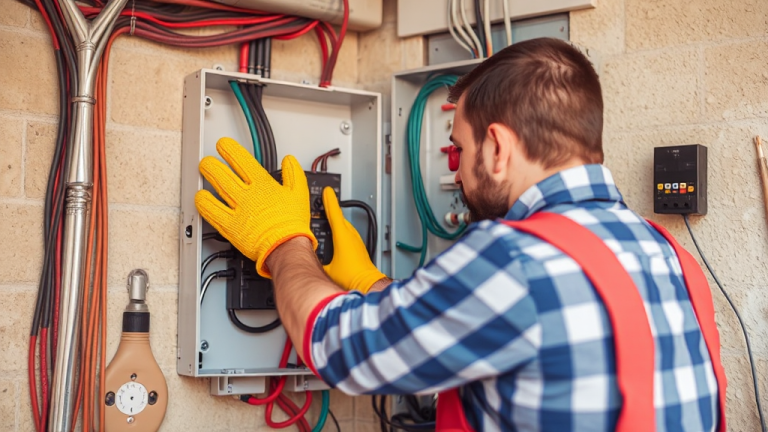
- Breaker panel second. Look for the AC or “condenser” breaker sitting between ON and OFF. Reset it fully OFF, then ON — once. If it trips again, stop resetting: a breaker that will not hold is protecting you from an electrical fault, and that is a pro visit.
- Air filter third. Pull it and hold it up to a light. If you cannot see light through it, that is your suspect — a starved system can freeze its own coil. Replace the filter (write the date on the frame).
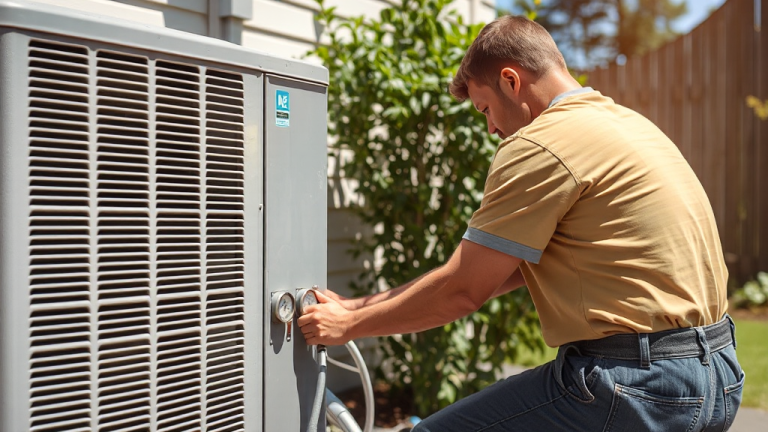
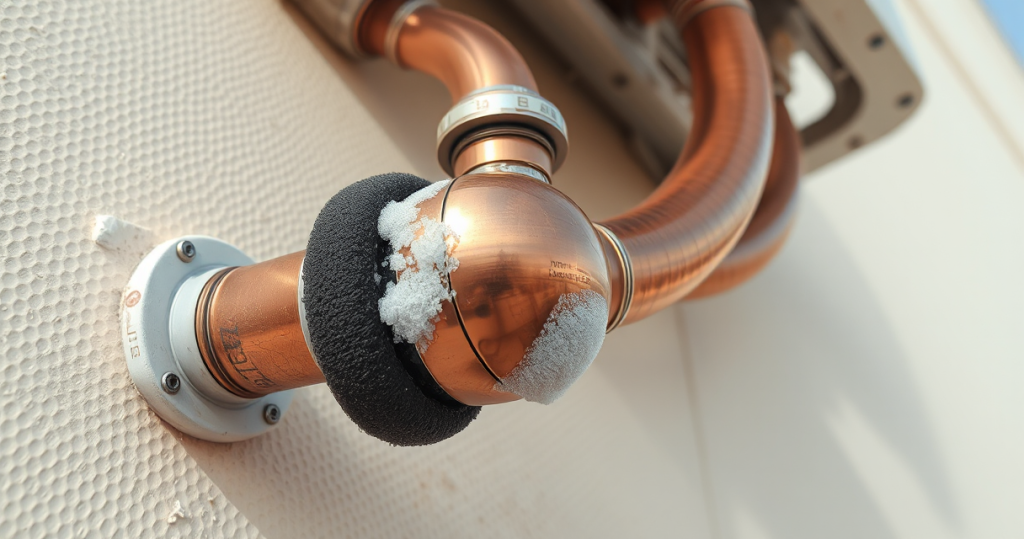
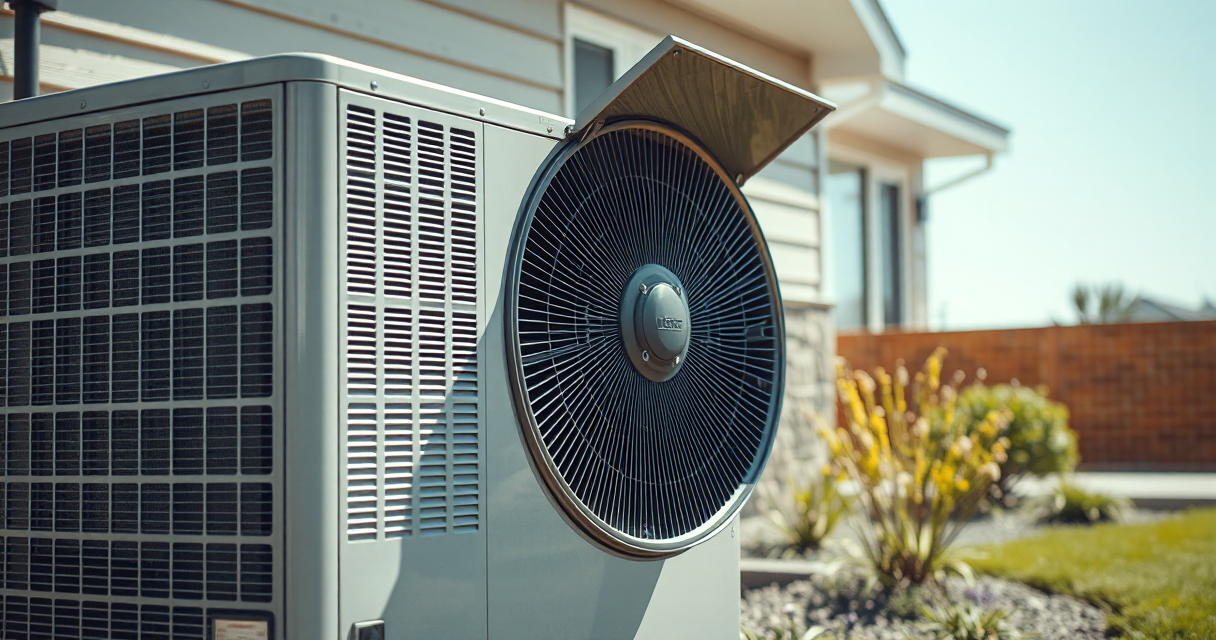
- Check the outdoor unit. Is the fan on top spinning? Clear leaves, cottonwood fluff, and anything stored within two feet of it. If you see ice on the copper lines or the coil — even in July — that is a frozen system.
- Frozen? Thaw it properly. System OFF, fan set to ON, give it 2–4 hours. Running an iced system is how a $250 repair becomes a $1,200–$2,800 compressor. Most techs cannot even diagnose an iced unit until it thaws, so doing this before your appointment saves a second visit.
- Check the drain line. Many air handlers have a float switch that shuts cooling down when the condensate drain clogs. A wet ceiling stain near the unit or a full drip pan is the tell.
Keep the House Livable While You Wait
In a real heat wave the wait for a tech can run a day or two, so cool the people, not just the house: close blinds on the sun side, run ceiling fans counterclockwise (they cool skin, not rooms — turn them off in empty rooms), cook outside or not at all, and open windows only when the outdoor air drops below indoor temperature at night. Move sleeping to the lowest, coolest room. Check on elderly family members and anyone with health conditions — heat is the deadliest weather event in the U.S., and Ready.gov’s extreme-heat guidance is worth two minutes while the coil thaws. A window unit from the hardware store ($150–$400) can hold one bedroom as a bridge — cheaper than an after-hours premium if the fix can wait for a standard appointment.
What the Fix Costs in 2026
On AllBetter
Ready to get it done?
Fund escrow before work starts. Release payment when you approve the finished work.
Find an HVAC pro near you →If the checklist did not revive it, these are the usual culprits, cheapest first. Full pricing detail lives in our AC repair cost guide.
| Fix | Typical 2026 cost | The tell |
|---|---|---|
| Diagnostic / service call | $75–$200 | Often credited toward the repair — ask |
| Capacitor replacement | $100–$250 | Outdoor unit hums but the fan will not start |
| Common repairs (fan motor, contactor, drain) | $250–$700 | The broad middle of AC calls |
| Refrigerant leak find + fix | $200–$1,500 | Ice on the lines, hissing, weak cooling |
| Compressor replacement | $1,200–$2,800 | The unit’s heart — see the repair-vs-replace math |
Repair or Replace? Do the Age Math Before You Approve a Big Fix
The industry shorthand is the $5,000 rule: multiply the unit’s age by the repair quote, and if the answer clears $5,000, put the money toward replacement instead. A $600 repair on a 6-year-old unit is an easy yes ($3,600). The same $600 on a 12-year-old unit ($7,200) is throwing good money after old equipment — especially since a full AC replacement runs $3,500–$7,500 in 2026 and resets your efficiency to modern SEER2 standards. It is a rule of thumb, not physics, but it keeps a heat-wave panic from buying a $2,000 repair on a unit with two summers left. The compressor guide runs this exact math for the most expensive single repair on the list.
Getting a Fair Price When Everyone Is Slammed
Peak-season demand is real, but it is also when overquoting hides best — a bid nobody compares is a bid that can say anything. Describe exactly what you observed (breaker held or did not, ice or no ice, fan spinning or humming) so companies can quote the likely fix instead of a worst case, get more than one bid even in a heat wave, and ask whether the diagnostic fee credits toward the repair. Filters are the cheap insurance here: the Department of Energy’s AC maintenance guidance notes that replacing a clogged filter can cut cooling energy use by 5–15% — and it is the difference between this article being a checklist and being an invoice.
AC Not Cooling FAQ
Where these numbers come from: the ranges in this guide reflect what these jobs typically bid on AllBetter and standard HVAC pricing across U.S. metros in 2026, consistent with our AC repair, compressor, and AC replacement cost guides; maintenance and heat-safety guidance from the U.S. Department of Energy and Ready.gov. Your exact price depends on the fault, unit age, and season.
Why is my AC running but not cooling the house?
The big four: a clogged filter starving airflow, a frozen evaporator coil (often caused by that filter), low refrigerant from a leak, or an outdoor unit that is not actually running — humming without the fan spinning usually means a failed capacitor ($100–$250).
Should I keep running the AC if it is not cooling?
No. If it is not cooling — and especially if you see ice — shut the system off and run the fan only. Running a starved or iced system risks the compressor, which is the difference between a $250 visit and a $1,200–$2,800 one.
How fast can I get AC repair during a heat wave?
Expect 1–3 days at the season’s peak with single companies — posting the job where several local pros can respond usually finds whoever has today’s cancellation. Describe your checklist findings so the first visit arrives with the likely part.
Is it worth repairing a 12-year-old AC unit?
Run the $5,000 rule: age times repair quote. At 12 years, anything over roughly $415 fails the math, and central AC units average 12–15 years of life — a big repair buys surprisingly little runway. Compare the quote against replacement before approving it.