
Skipping the annual HVAC tune-up is the most common money mistake homeowners make with their heating and cooling systems. A well-maintained system runs noticeably more efficiently than a neglected one, lasts years longer, and is far less likely to fail on the hottest or coldest day of the year. This guide breaks down what a tune-up actually costs in 2026, what drives the price, and how to find a qualified technician without overpaying.
Related: HVAC tune-up pros near you
How much does an HVAC tune-up cost? A standard tune-up costs $75–$200 for a single system (heating or cooling), with a national average around $130. A combined heating-and-cooling visit runs $150–$350, and most homeowners pay $100–$150 per visit for a thorough inspection, cleaning, and adjustment by a licensed technician.
HVAC Tune-Up Cost Breakdown
A tune-up is not a single service — it is a comprehensive inspection-and-adjustment protocol that touches every major component. Knowing what is included helps you tell a genuine tune-up from a quote that cuts corners. Typical 2026 pricing:
| Service | Cost | Notes |
|---|---|---|
| Single-system tune-up | $75–$200 | Heating or cooling, one visit; ~$130 national average |
| Combined heating + cooling | $150–$350 | Both systems inspected in one or two visits |
| Annual maintenance plan | $150–$300/yr | Covers both visits; 15–25% cheaper than booking separately |
| Typical per-visit cost | $100–$150 | What most homeowners actually pay |
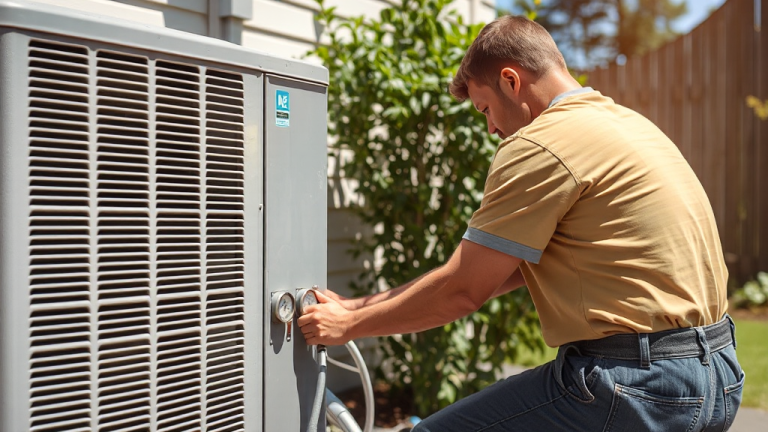
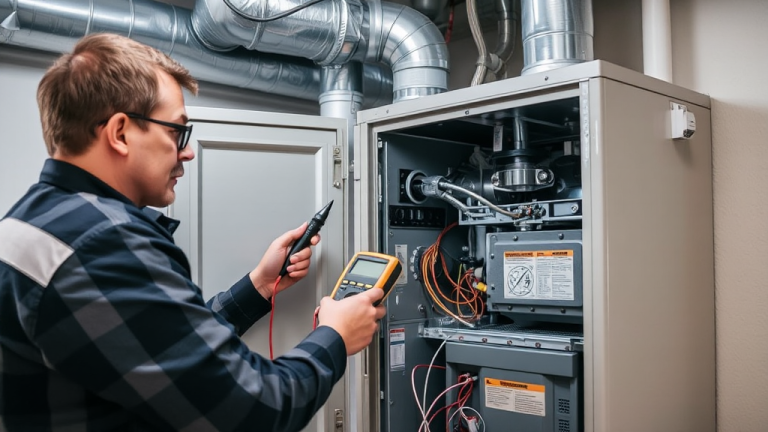
A heating tune-up covers the filter, thermostat calibration, electrical connections, lubrication, safety controls, and a burner and heat-exchanger inspection with a gas-pressure and CO check. A cooling tune-up adds a refrigerant-level check, coil cleaning, and condensate-drain clearing. A thorough visit takes 45 to 90 minutes per system — under 30 minutes means steps are being skipped.
What Affects HVAC Tune-Up Pricing
The $75–$200 range reflects real differences in what providers include, not just random variability. Four factors move the price:
System type and complexity. A standard forced-air furnace or split AC sits at the lower end. Heat pumps, ductless mini-splits, geothermal systems, and boilers need specialized knowledge and extra inspection steps. Dual-fuel systems (heat pump plus gas furnace) typically cost 20% to 30% more to service because both systems need independent inspection.
Geographic location. HVAC service rates in major metro areas run 15% to 30% above rural and suburban pricing. The national average for a single-system tune-up is about $130, but high-cost metros average $170 to $220 while markets in the South and Midwest average $90 to $140.
Service plan vs. one-time visit. Many companies offer annual maintenance plans covering both heating and cooling for $150 to $300 a year — a 15% to 25% discount over booking each visit separately. Plans often add priority scheduling and discounts on repair parts.
System age and condition. Older systems take longer to inspect thoroughly. Some technicians charge extra for systems over 15 years old that need extended diagnostic time.
Tune-Up vs. Repair: How to Tell the Difference
On AllBetter
Ready to get it done?
Fund escrow before work starts. Release payment when you approve the finished work.
Find an HVAC pro near you →A tune-up is preventive maintenance — cleaning and adjusting a functioning system. A repair fixes something already broken. The distinction sets both cost and urgency.
Signs you need a tune-up (scheduled, non-urgent): the system runs normally but has not been serviced in 12+ months, energy bills have crept up gradually, airflow seems slightly weaker than last season, or you are heading into heating or cooling season.
Signs you need a repair (may be urgent): the system will not start, makes unusual sounds, gives off burning or chemical smells, short-cycles, shows visible ice on the outdoor unit, or leaves rooms that never reach the set temperature. These point to a component failure a tune-up will not resolve — and a skipped tune-up is exactly how small problems grow into them. For cooling-side failures see our AC repair cost guide; for the heating side, our furnace repair cost guide breaks down what those repairs run.
During a tune-up a technician may find issues that need repair. Good providers flag them, explain the urgency, and give a separate quote rather than bundling repair costs into the tune-up without authorization. Be cautious of anyone who “discovers” $1,000+ in urgent repairs on every routine visit — get a second opinion before authorizing major work found during maintenance.
How Often Should You Schedule a Tune-Up?
The standard recommendation is twice a year: a heating tune-up in early fall (September–October) and a cooling tune-up in late spring (April–May). This timing inspects and optimizes each system before its peak demand season.
Booking in these shoulder seasons has two advantages. Technician availability is higher than during peak emergency periods, and if the tech finds a problem, you have time to schedule the repair before the system is under heavy load. Many HVAC companies also offer 10% to 20% off-season discounts.
Between professional visits, replace air filters monthly during heavy-use seasons, keep the outdoor condenser unit clear of vegetation and debris (a 2-foot clearance minimum), and watch energy bills for unexpected spikes. These simple steps complement professional maintenance and catch developing problems early. One more reason not to skip the schedule: most HVAC manufacturers require proof of annual professional maintenance to honor equipment warranties, so keep every tune-up receipt and service record.
The Hidden Cost of Skipping HVAC Maintenance
Watch: why skipping the tune-up costs $2,500 (31 seconds).
The $150 to $300 annual cost of professional tune-ups seems easy to defer — until you add up what neglect actually costs. Skipped maintenance creates compounding efficiency losses: a dirty evaporator coil can cut cooling capacity by up to 30%, loose electrical connections raise resistance and energy use, and uncalibrated gas pressure burns more fuel than necessary for the same heat. Each issue is minor alone but devastating in combination.
A well-maintained system runs 15% to 25% more efficiently than a neglected one, worth roughly $150 to $500 a year in energy savings depending on climate, system age, and local rates. Regular professional tune-ups also extend equipment lifespan by 5 to 8 years on average — pushing a 15-year system past 20 years.
How to Find a Qualified HVAC Technician
Not every provider delivers the same quality of maintenance. The gap between a thorough tune-up and a superficial one — skipping the heat-exchanger inspection, not checking the refrigerant charge, rushing the electrical connections — can mean missing the very problems maintenance exists to catch. Look for these credentials:
- NATE certification — North American Technician Excellence, competence verified by an independent testing organization.
- State licensing and insurance — verify both before anyone services your equipment.
- Transparent, fixed pricing — quality providers quote a flat price for a tune-up, not hourly rates that reward slow work.
- A written maintenance report — documentation of what was inspected, measurements taken (refrigerant levels, temperature differential, amperage), and any issues found.
Lead-generation sites like Angi, Thumbtack, and HomeAdvisor charge contractors per lead, and that cost gets built into the quote you receive. On a marketplace with only pay when you win, identity-verified HVAC pros bid your job directly and payment is held in escrow until the work is confirmed — and because a tune-up is a defined checklist, it is easy to put out for competitive bids without signing up for a recurring plan.
Frequently Asked Questions
How much does an HVAC tune-up cost in 2026?
A standard HVAC tune-up costs $75 to $200 for a single system in 2026, with a national average of about $130. A combined heating and cooling visit runs $150 to $350. Annual maintenance plans covering both visits typically cost $150 to $300 a year — a 15% to 25% discount compared to booking separately.
Is an HVAC tune-up worth the money?
Yes. A properly maintained system runs 15% to 25% more efficiently, saving roughly $150 to $500 a year in energy costs. Regular tune-ups also extend system lifespan by 5 to 8 years. For most homeowners the annual maintenance cost pays for itself through energy savings within the first year.
What happens during an HVAC tune-up?
A technician inspects and adjusts every major component: checks electrical connections, lubricates moving parts, calibrates the thermostat, cleans coils, tests safety controls, checks refrigerant levels (cooling), inspects the heat exchanger and burner (heating), and clears the condensate drain. A thorough tune-up takes 45 to 90 minutes per system.
How often should I get an HVAC tune-up?
Schedule twice a year — a heating tune-up in early fall and a cooling tune-up in late spring — so both systems are optimized before peak demand. Between professional visits, replace air filters monthly during heavy-use seasons and keep the outdoor unit clear of debris.
Can I do an HVAC tune-up myself?
Homeowners can handle basic maintenance: replacing air filters, cleaning visible condenser coils with a garden hose, checking thermostat settings, and keeping vents unblocked. Professional tune-ups include tasks that need specialized equipment — checking refrigerant charge, testing electrical components, inspecting the heat exchanger for carbon monoxide risk, and calibrating gas pressure — which require a licensed technician.
What is the best time of year to schedule an HVAC tune-up?
Early fall (September to October) for heating and late spring (April to May) for cooling. Scheduling in these shoulder seasons gives you better technician availability than peak emergency periods and optimizes the system before its hardest working stretch — and many companies offer 10% to 20% off-season discounts.