
On AllBetter
Need a house cleaner?
Post the job free and compare bids from identity-verified local pros — payment held in escrow until the work is done right.
Find a house cleaner near you →Moving out? The fastest way to lose part of your security deposit is to hand back a unit the landlord has to clean. The fix costs less than most deductions: a room-by-room move-out clean — done by you or a pro for $150–$400 for most apartments — plus a receipt and date-stamped photos. This checklist covers what to clean, what it costs in 2026, and the paper trail that settles deposit disputes before they start.
1. Read the lease and the move-in checklist before you touch a sponge
On AllBetter
Ready to get it done?
Fund escrow before work starts. Release payment when you approve the finished work.
Find a house cleaner near you →Your lease is the actual scope of work. Many leases name specifics — oven interior, carpet condition, nail holes, “professionally cleaned” clauses — and your move-in checklist (or move-in photos) defines the condition you have to return the unit to. You are not restoring the apartment to new; you are restoring it to move-in condition minus normal wear and tear. Anything the lease names explicitly goes to the top of your list.
Booking the truck is its own decision — our guide to full-service movers vs. moving labor runs that math. And anything not making the trip is a junk removal job ($100–$600) — cheaper scheduled before moving day than after.
2. Empty the unit first — then clean
Cleaning around furniture is how corners get missed. Movers first, cleaning second: an empty unit is faster to clean, cheaper if you hire it out, and it exposes the spots walkthroughs actually inspect — behind appliances, closet shelving, baseboards. If a pile of stuff is staying behind, that is a separate problem: leftover items can be billed as a removal charge, so book a junk removal pro before the final day, not after.
3. Kitchen: where deductions live
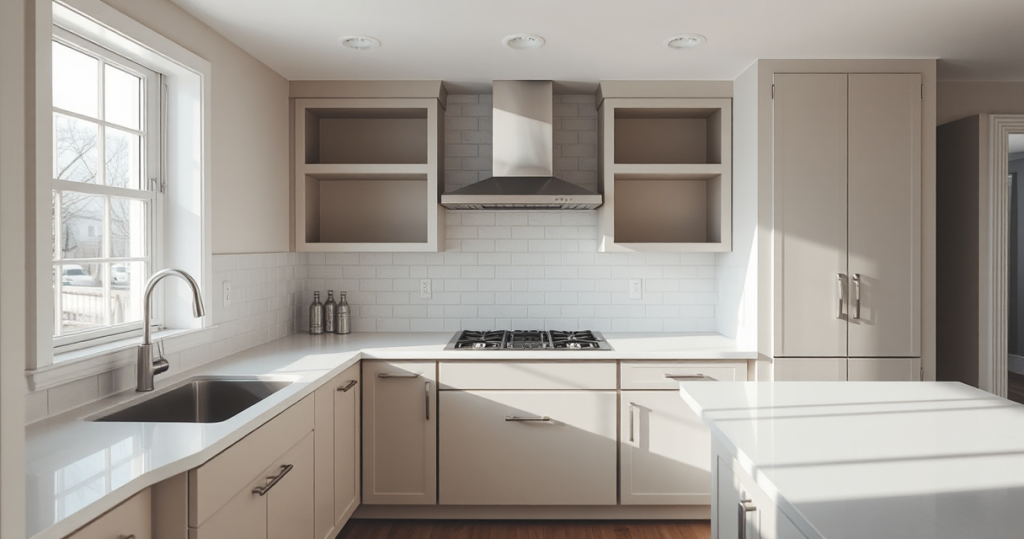
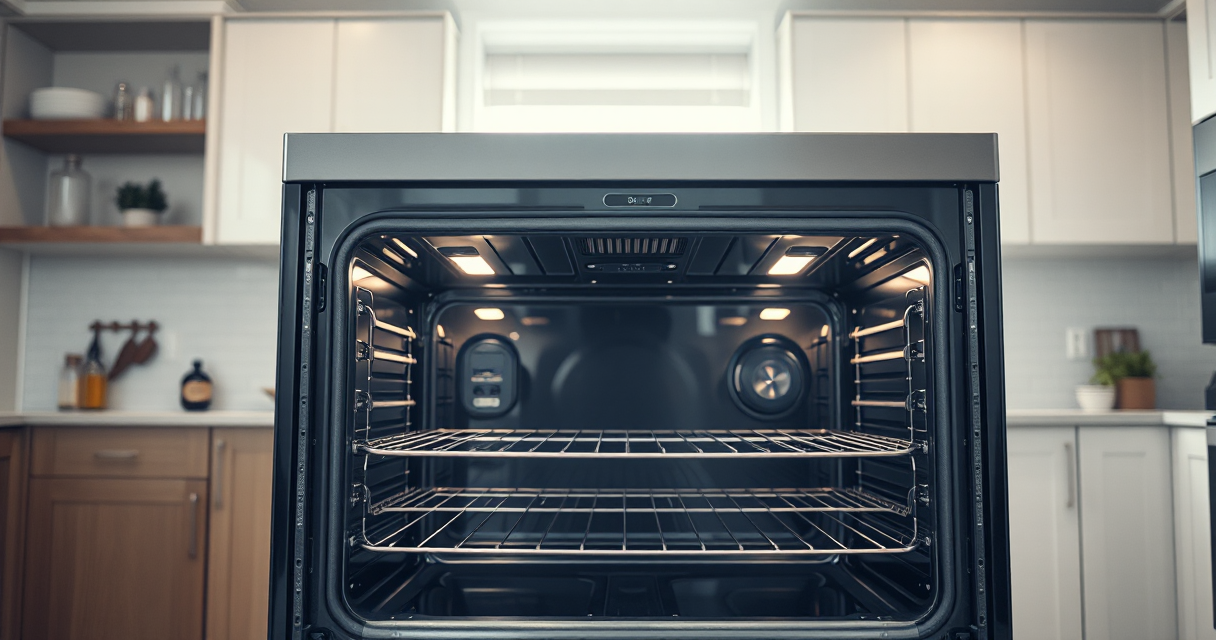
Ask any renter who lost a chunk of deposit — the kitchen did it. Work top to bottom: cabinet interiors and shelves, degrease the hood and backsplash, the oven inside (racks out, burnt drippings gone), the fridge inside and behind if it stays, sink and faucet descaled, floors last. Burnt-on oven grime is the single most cited cleaning deduction — it is slow, unpleasant work, which is exactly why landlords bill for it.
4. Bathrooms: grout, caulk, and everything that fogs a mirror
Soap scum on tile, mildew in caulk lines, and limescale on fixtures read as “dirty unit” even when everything else is spotless. Scrub grout, treat caulk mildew (replace the bead if it is stained through — a tube costs a few dollars), descale the showerhead and faucet, polish the mirror, and wipe down the exhaust fan cover. Bathrooms are small; they just punish skipped details.
5. Walls, floors, and the little hardware
Fill nail holes if your lease calls it out (and it usually does), spot-clean scuffs before deciding anything needs paint, vacuum then mop hard floors, and hit the baseboards — dusty baseboards are the tell that a “clean” unit was not deep-cleaned. Carpet is lease-dependent: if it says professionally cleaned, a rented machine may not satisfy the clause — a receipt from a pro does.
6. Build the paper trail: photos and a receipt
Deposit disputes are documentation contests. Landlords deduct when they can show the unit came back dirtier than move-in; a renter with a dated cleaning receipt and photos of every room taken after the clean and before the walkthrough usually wins the argument without a fight. Shoot wide shots of each room plus close-ups of the oven, fridge, bathroom tile, and floors.
7. DIY or hire it out? Do the honest math
A thorough move-out clean on a 2-bedroom is a 6–10 hour job done right — during the most exhausting week of your year. DIY makes sense for a small unit kept in good shape. For anything bigger, the math usually favors a pro: you are trading a $250–$400 receipt for a full day of scrubbing, and that receipt doubles as your deposit documentation. If you hire it out, book for the day after the movers and before the walkthrough.

Moving on a deadline? Post the job free and compare real bids from move-out cleaning pros near you — payment held in escrow until you confirm the unit passed your own walkthrough.
Move-Out Cleaning Checklist FAQ
Can my landlord charge me for cleaning when I move out?
Only for cleaning beyond normal wear and tear — and in most states the landlord needs documentation that the unit was left dirtier than it was at move-in. A dated professional cleaning receipt plus your own photos flips that documentation in your favor.
How much does move-out cleaning cost in 2026?
Professional move-out cleaning runs $150–$250 for a studio or 1-bedroom, $250–$400 for a 2-bedroom, and $350–$550 for a 3-bedroom house. Condition is the biggest variable — heavy grease or neglected bathrooms push you to the top of the range.
What do landlords check first at the final walkthrough?
The oven interior, inside the fridge, bathroom tile and caulk, floors, and walls. Those five items drive most cleaning deductions — clean them like they are being graded, because they are.
When should I book a move-out cleaner?
Book about a week ahead for the day after your movers finish and before the final walkthrough. Cleaning an empty unit is faster and cheaper, and it leaves time to photograph every room while it is spotless.
Related reading
Deeper dives: our rental turnover deep-clean guide (the landlord’s side of the same job), move-out vs. turnover cleaning, the full house cleaning cost guide, and if the move itself is not booked yet — local movers near you.