
Stop overpaying for vendor coordination.
Post the job on AllBetter and get ID-verified bids in minutes — $0 lead fees, Escrow Shield, no PM middleman markup.
The 1% Rule and the 50% Rule
The 1% Rule
Set aside 1% of property value per year for maintenance. A $300,000 property gets a $3,000 annual fund. Works for newer properties in good condition. Bump to 1.5–2% for properties 20+ years old, 2–4% for pre-1980 with original systems. The 1% rule is a floor, not a ceiling.
Check your inbox for a confirmation email.
The 50% Rule
Assume 50% of gross rent goes to operating expenses — maintenance is the largest slice. A $2,000/mo rental ($24,000/yr) allocates $12,000 to operating costs; maintenance consumes 25–35% of that, or $3,000–$4,200/yr. Broader than the 1% rule — also covers management, insurance, taxes, vacancy.
The Square-Footage Cross-Check
$1–$2/sq ft/yr. 1,500 sq ft = $1,500–$3,000; 2,500 sq ft = $2,500–$5,000. Cross-check all three rules; budget to the highest. Unspent funds roll into your emergency reserve.
Property Maintenance Cost by Category
Exterior and HVAC consume the largest share; electrical is modest most years. Annual ranges for a single-family rental in 2026:
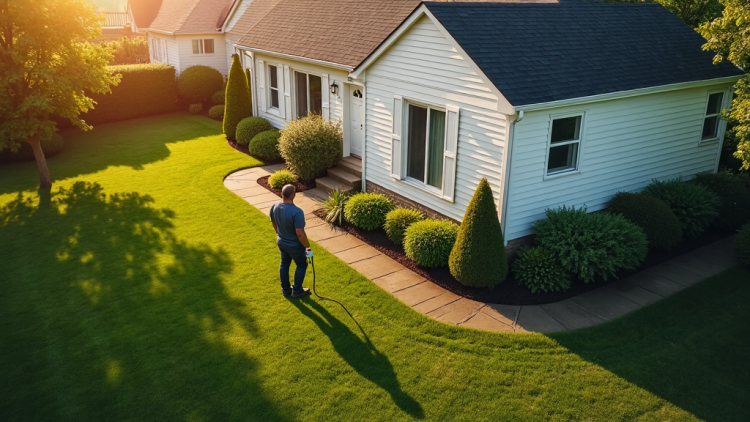
- Exterior & landscaping — $500–$2,000/yr. Lawn care, tree trimming, gutter cleaning, pressure washing, fence repair, exterior paint touch-ups. Highest annual spend for most properties.
- Appliances — $200–$800/yr. Fridge, dishwasher, washer/dryer, garbage disposal — amortized; most last 8–15 years.
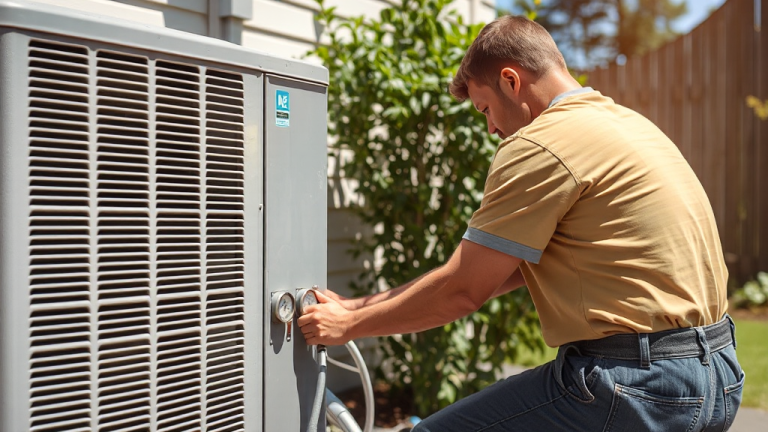
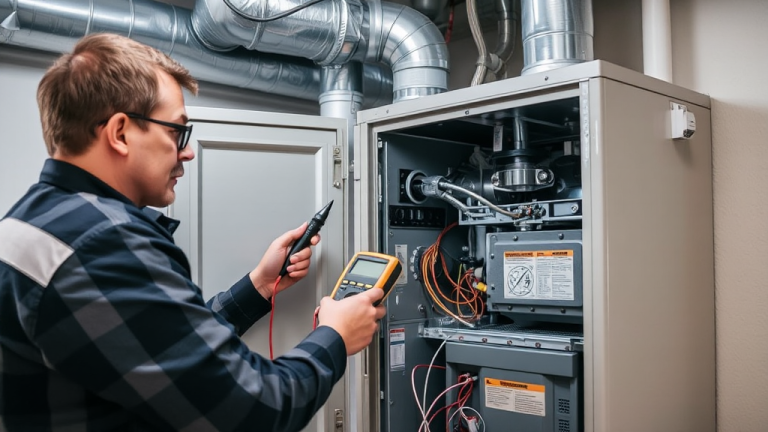
- HVAC — $200–$600/yr. Filter changes, seasonal tune-ups, refrigerant top-offs. Excludes major replacements (CapEx). Annual servicing is the #1 way to extend system life.
- Interior (paint, flooring, fixtures) — $300–$1,000/yr. Turnover paint, carpet cleaning, hardware. Costs spike during tenant transitions.
- Plumbing — $150–$500/yr. Faucet repairs, toilet mechanisms, drain clearing, water-heater flushing. Small leaks are silent budget killers.
- Roof — $100–$500/yr. Inspection, minor shingle/flashing repair, debris removal. Full replacement ($8,000–$15,000) is CapEx.
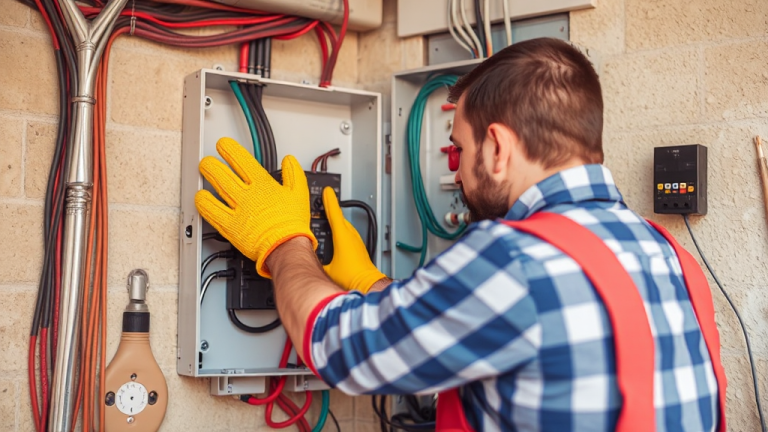
- Electrical — $100–$300/yr. Outlets, GFCI upgrades, light fixtures, detector maintenance. Panel upgrades are CapEx.
Total routine maintenance for a $300,000 single-family rental: $1,550–$5,700/yr, plus CapEx. The ultimate guide to property maintenance and repairs for landlords covers the systems that keep you near the low end.
Preventive vs. Reactive: The Cost Multiplier
Every $1 spent on prevention eliminates $3–$5 in emergency repairs (BOMA). The math isn’t theoretical:
| System | Preventive | Reactive | Multiplier |
|---|---|---|---|
| HVAC tune-up vs. compressor failure | $150–$200/yr | $2,500–$7,000 | 15–35x |
| Plumbing inspection vs. burst pipe | $75–$150/yr | $1,500–$5,000 | 10–33x |
| Roof inspection vs. leak damage | $100–$200/yr | $2,000–$8,000 | 10–40x |
| Gutter cleaning vs. foundation damage | $100–$250/yr | $3,000–$15,000 | 12–60x |
| Appliance servicing vs. replacement | $50–$100/yr | $500–$2,500 | 5–25x |
Preventive costs are hundreds; failures are thousands. The landlord automation guide shows how to schedule recurring work so nothing slips.
Stop paying PM maintenance markups.
Most property managers add 10–20% on every repair invoice. Post direct on AllBetter — $0 lead fees, Escrow Shield, you approve before payment releases.
Seasonal Maintenance Schedule With Costs
Budget by quarter for a typical single-family rental in a four-season climate:
- Spring (Mar–May) — $400–$1,200. HVAC tune-up ($150–$200), gutter cleaning ($100–$250), exterior inspection for winter damage, landscaping startup ($150–$400), irrigation test, window/door seals. Highest-ROI maintenance window of the year.
- Summer (Jun–Aug) — $300–$800. Lawn maintenance ($100–$300/qtr), pest control ($75–$150), AC drain-line check, exterior pressure wash ($100–$300), deck/patio safety inspection.
- Fall (Sep–Nov) — $400–$1,000. Furnace tune-up ($100–$200), gutter cleaning round two, winterize exterior faucets, weather stripping, chimney inspection if applicable, leaf cleanup. Critical prep for the most expensive season.
- Winter (Dec–Feb) — $200–$600. Snow/ice management if applicable, pipe-insulation monitoring, smoke/CO detector check, water-heater flush. Lowest scheduled cost, but highest emergency risk if fall prep was skipped.
Annual seasonal total: $1,300–$3,600 for a well-maintained property. First-time landlords: build the quarterly schedule into your calendar before move-in.
CapEx vs. Maintenance Expense
Confusing routine repairs with capital expenditures has tax consequences. Maintenance repairs keep the property in working condition and are fully deductible the year incurred (HVAC tune-up, faucet repair, paint touch-up, roof patch). Capital improvements add value or extend useful life, and must be depreciated over 27.5 years for residential rental (full HVAC replacement, full repipe, full roof, kitchen renovation). Misclassifying a $10,000 roof replacement as same-year maintenance is an audit flag — budget both buckets separately and consult your CPA. See landlord cost management.
Frequently Asked Questions
How much does property maintenance cost per year?
Property maintenance runs 1%–4% of property value annually in 2026. For a $300,000 rental that’s $3,000–$12,000/year, national average around $6,000. Newer builds (post-2010) trend toward 1–1.5%; properties over 30 years old hit 3–4%. Biggest annual expenses: exterior/landscaping ($500–$2,000), HVAC ($200–$600), plumbing ($150–$500), appliances ($200–$800).
What is the 1% rule for property maintenance?
Budget 1% of property value for annual maintenance — a $300,000 property gets $3,000/year. It’s a baseline for newer properties in good condition; bump to 1.5–2% for properties 20+ years old and 2–4% for pre-1980 properties with original systems.
Is preventive maintenance really worth the cost?
Yes — preventive maintenance returns 300–500% (BOMA: every $1 of prevention saves $3–$5 in emergency repairs). A $200 HVAC tune-up prevents $2,500–$7,000 compressor failures; a $100 roof inspection prevents $2,000–$8,000 leak damage. Over five years, $3,000/year on prevention avoids $9,000–$15,000 in emergency costs.
What maintenance costs are tax-deductible for rental properties?
Routine repairs that keep the property in current working condition are fully deductible the year incurred — HVAC tune-ups, plumbing repairs, painting, cleaning, pest control, appliance fixes. Capital improvements (full roof replacement, HVAC install, kitchen renovation) must be depreciated over 27.5 years. Consult your CPA for specifics.
How much should I set aside for an emergency maintenance fund?
Maintain 3–6 months of total property expenses in a liquid account — for a rental with $2,000/month in total expenses, that’s $6,000–$12,000. Newer properties lean toward 3 months; older properties, extreme climates, or multi-unit buildings target 5–6 months. Fund it with 10–15% of monthly rental income until topped off, and replenish immediately after any withdrawal.
Should I use a property manager or handle maintenance myself?
PM fees run 8–12% of monthly rent ($1,920–$2,880/year on a $2,000/month rental), plus placement fees, maintenance markups, and renewal fees — totaling $3,000–$5,500/year. Self-management makes sense for 1–2 local properties with time and a vendor network. PM becomes worthwhile at 3+ properties or for out-of-state investors.