
On AllBetter
Need a local pro?
Post the job free and compare bids from identity-verified local pros — payment held in escrow until the work is done right.
Find a verified pro near you →The snow has stopped, the plow just buried the end of your driveway, and somewhere under a four-foot drift is your car. What you do in the next few hours decides whether this storm costs you a sore back, a slip on black ice, or a ceiling stain in February. Here is the cleanup checklist, in the order that actually matters.
1. Clear the exits first, not the driveway
On AllBetter
Ready to get it done?
Fund escrow before work starts. Release payment when you approve the finished work.
Find a verified pro near you →Before anything else: doorways, steps, and one clean path from the door to the street. If the power fails or someone needs help, the way out matters more than the way in. Check that furnace exhaust and dryer vents are clear of drift — blocked vents back carbon monoxide into the house, which is why vents outrank the driveway on every safety checklist, including the National Weather Service’s winter safety guide.
2. Pace the shoveling — or price it out
Heavy, wet snow is the classic overexertion injury. Push rather than lift, take breaks, and stop at the first sign of chest tightness. If the walkways and steps are more than an hour of work, shoveling crews near you charge $25–$75 an hour and typically clear a full walkway for a flat $25–$60 — cheaper than an urgent-care visit, and they bring their own salt.
3. Dig out the car before the snowbank sets
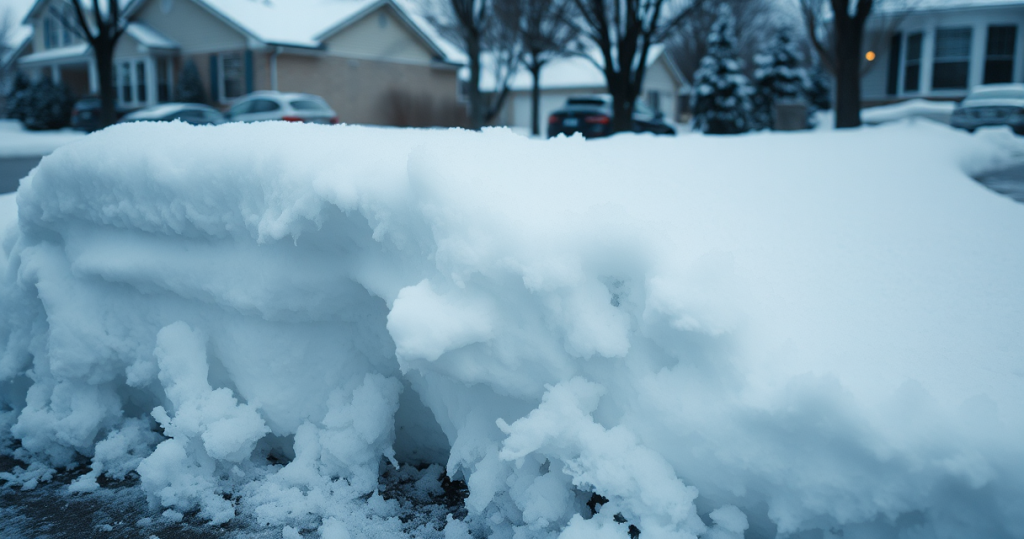
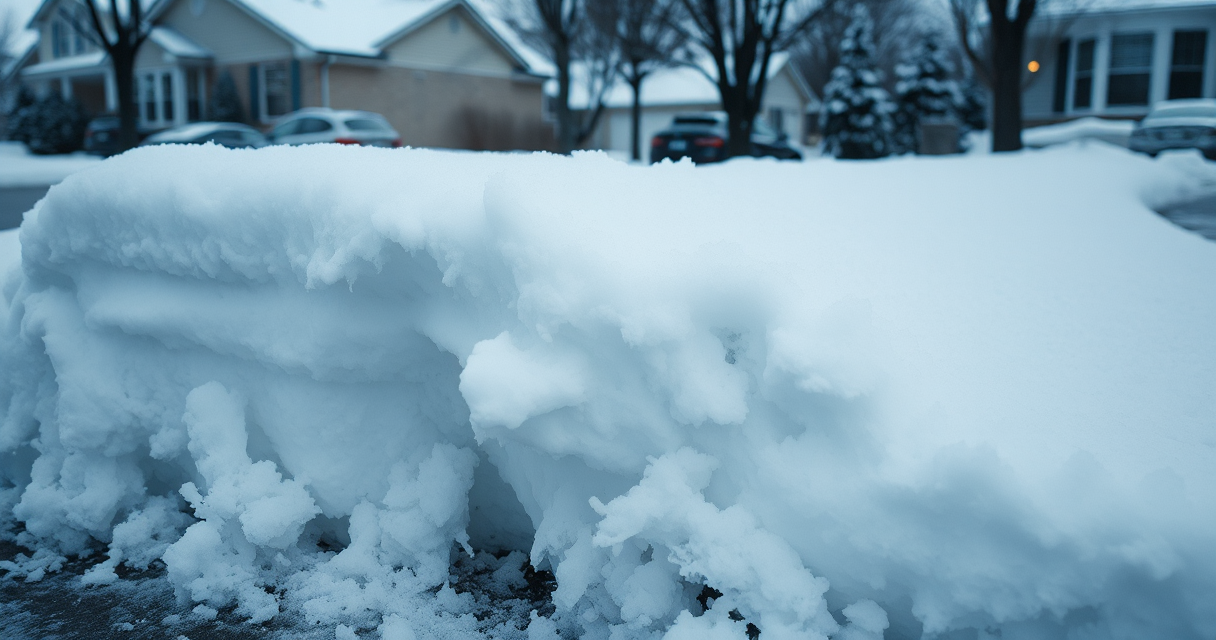
Fresh snow moves easily; the plow-compacted wall at the end of the driveway turns to concrete overnight as it refreezes. Dig the tailpipe clear before you start the engine, work the wheels free, and rock the car gently rather than spinning the tires. Buried at the curb by a city plow, or facing a bank taller than the hood? A car dig-out crew runs $30–$120 per vehicle and comes with the right tools instead of a snapped plastic shovel.
4. Salt the refreeze window
The most dangerous moment of the storm is the evening after it, when everything that melted at noon refreezes into black ice. Salt walkways, steps, and the driveway apron in the late afternoon — not the next morning after someone has already gone down. A professional salting and de-icing application costs $20–$60 and usually bundles with a plow or shoveling visit for less.
5. Look up: check the roof and the eaves
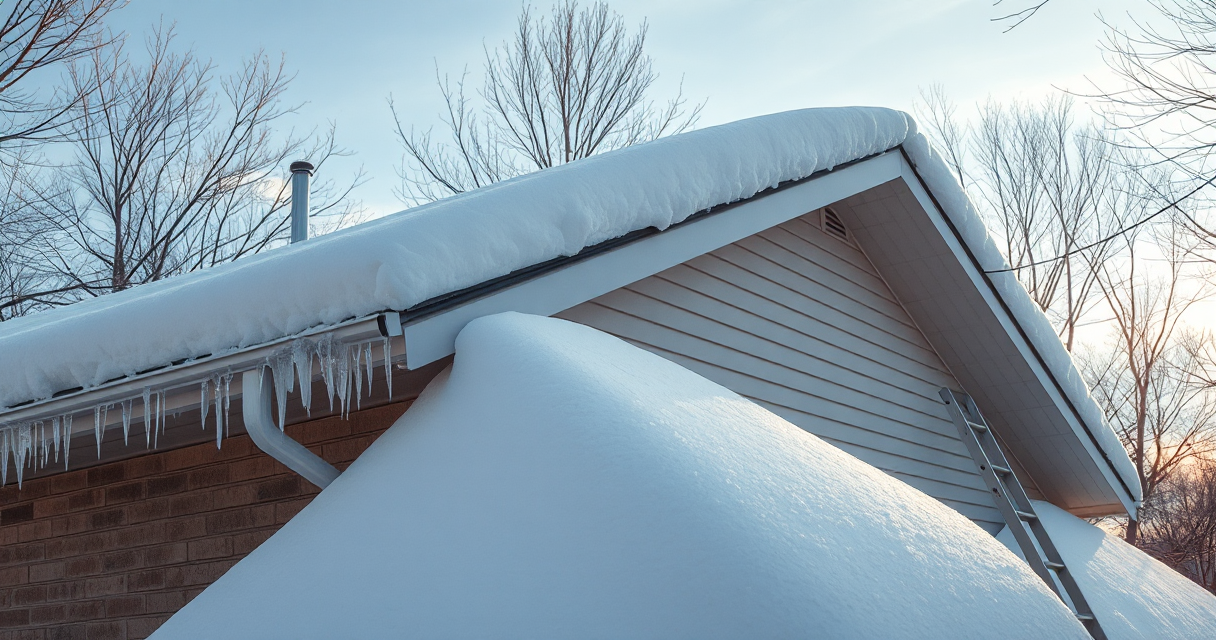
After a foot-plus storm, walk the perimeter and look at the roofline. Warning signs: a snow blanket deeper than 12 inches, icicles thickening along the eaves, or sagging gutters. Those icicles are the start of an ice dam — meltwater refreezing at the cold eave and backing up under the shingles. Raking the lower courses from the ground helps if you can reach safely; beyond that, roof snow removal pros charge $100–$500 and carry the fall protection this job actually requires. Never rake from a ladder on ice.
6. Recheck the plow line and fire hydrants
Municipal plows come back after the storm and re-bury driveway aprons — budget one more pass for the apron a few hours after the streets are cleared. If there is a hydrant on your lot line, clear three feet around it; in many towns that is code, and in every town it is the difference between a working hydrant and a frozen mound if the worst happens.
7. Restock before the next one
Refill the salt bucket, put the shovel back by the door (not the garage you cannot open when the power is out), and top off fuel for the snowblower. If this storm caught you without help lined up, that is fixable in ten minutes: post the job once and compare bids from local snow removal pros — and if you are doing that math for the whole winter, a seasonal snow removal contract at $300–$1,500 buys priority service on every storm that follows, including the one next week.
Snow Storm Cleanup FAQ
What should I do first after a big snow storm?
Clear exits and vents before the driveway: doorways, steps, one path to the street, and the furnace and dryer vents. Blocked exhaust vents can push carbon monoxide back into the house, which makes them the real safety priority.
How much does it cost to have someone dig out my car?
A professional car dig-out runs $30–$120 per vehicle in 2026, depending on how deeply the car is buried and whether the snowbank is plow-compacted. Crews bring proper tools and clear the tailpipe before starting the engine.
When is roof snow removal necessary?
When roof snow passes about 12 inches, icicles thicken along the eaves, or gutters start to sag. Those are early ice-dam signs; professional removal costs $100–$500 and avoids the ladder-on-ice fall risk of doing it yourself.
When should I salt after a storm?
Late afternoon on the day the storm ends — before the evening refreeze turns midday melt into black ice. A professional application costs $20–$60 and bundles cheaply with a plowing or shoveling visit.