

Spring brings a surge in home maintenance work, and the homeowners who get ahead of it dodge the July compressor failures, the May gutter overflows, and the peak-season pricing that hits when every neighbor needs the same pro. This checklist walks you through the seven systems worth a spring once-over — and flags which jobs are safe DIY versus which need a ID-verified pro before they snowball into a five-figure repair.
On AllBetter
Need a local pro?
Post the job free and compare bids from identity-verified local pros — payment held in escrow until the work is done right.
Find a verified pro near you →The short version: handle filters, caulk, and visual inspections yourself. Hire out HVAC tune-ups, roof work, gas-line plumbing, and electrical panel checks. Booking those before April fills up means you pick the pro instead of taking whoever has Saturday open in a heatwave.
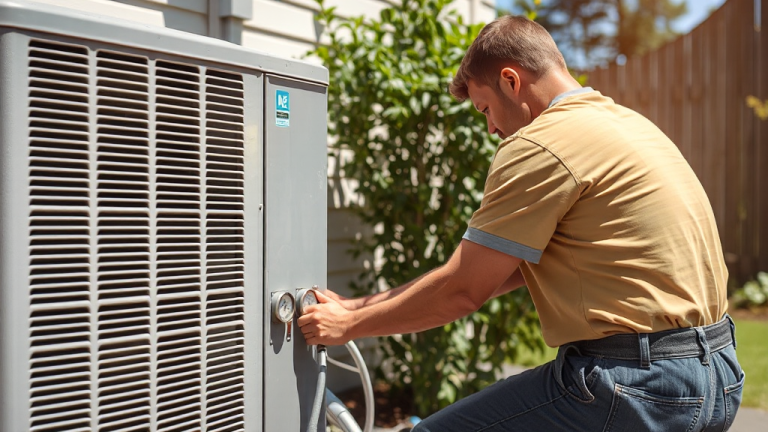
HVAC: Book the Tune-Up Before Summer Booking Hits
Your HVAC is the single most expensive system to lose in July. A neglected condenser fails on the hottest week of the year, when every tech in town is triple-booked and charging peak rates. Spring is the only window where pros still have open capacity and a reason to compete on price.
- Replace filters every 1–3 months. A clogged filter cuts efficiency by up to 15% and shortens compressor life.
- Clear debris from the outdoor condenser unit — leaves, cottonwood, dryer-vent lint.
- Book a pro tune-up. A licensed tech checks refrigerant pressure, capacitors, belts, and the contactor — the four parts that fail under load. See furnace replacement cost if your system is past 12 years.
Why it matters: a mid-July compressor failure runs $2,500–$4,500. A spring tune-up runs $89–$179.
Roof and Gutters: Catch the Leak Before the May Storms
Watch: why a small roof leak costs 10x more if you wait (31 seconds).
Water damage drives 23% of homeowner insurance claims, per the Insurance Information Institute. April is the cheapest month to find a missing shingle — before it turns into a soaked subfloor.
- Inspect shingles from the ground with binoculars. Curled edges, missing tabs, or granule loss in the downspout splash zone all need a roofer.
- Clean gutters. Pull leaves, flush downspouts with a hose, check that water exits at least 4 feet from the foundation. See gutter cleaning cost for typical pricing.
- Check flashing around chimneys, vents, and skylights. Cracked sealant is the #1 source of slow ceiling leaks.
Why it matters: a slow roof leak that goes one season unfixed averages $10,000+ in drywall, insulation, and mold remediation.
Smoke, CO, and Electrical: A 20-Minute Sweep
On AllBetter
Ready to get it done?
Fund escrow before work starts. Release payment when you approve the finished work.
Find a verified pro near you →Spring is when you swap batteries and pressure-test the alarms before summer storms knock out power.
- Test every smoke detector. Press the button; replace 9V batteries annually; replace the detector itself every 10 years.
- Test CO alarms, especially on the floors with gas appliances and attached garages.
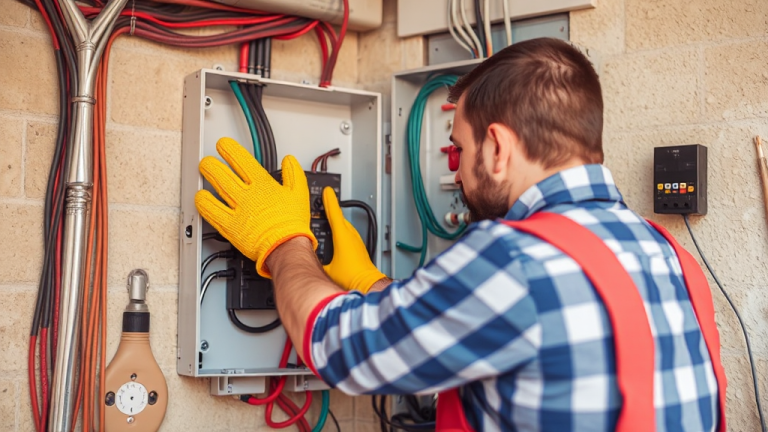
- Walk every outlet. Frayed cords, warm faceplates, or flickering lights mean an electrician — not a YouTube tutorial.
Why it’s urgent: arc faults cause roughly 28,000 home fires a year (NFPA). AFCI breakers cost less than a single insurance deductible.
Windows and Doors: Seal Before the AC Bill Lands
Energy loss through leaky windows and doors adds about $200 to a typical annual utility bill, per Energy Star. Spring is the right temperature for caulk to cure properly.
- Re-caulk any cracked silicone around window frames. Cut out the old bead, clean, apply a single smooth pass.
- Replace weatherstripping on exterior doors where you can see daylight through the gap.
- Clear window tracks so storms drain instead of pooling against the sill.
Exterior: Curb Appeal, but Also Pest Prevention
Power washing isn’t just cosmetic — it strips the spore layer off siding before summer humidity turns it into mildew. Trimming back vegetation cuts off the highway pests use to get into your soffits.
See also: pressure washing near you
If the surface is asphalt, spring is also the right window to reseal it — see our driveway sealing cost guide for current prices and how often it actually needs doing.
- Power wash siding, walkways, and the deck. Rent a unit for ~$80/day or hire it out as a bundle.
- Trim shrubs back at least 18 inches from the siding. Anything touching the house is a pest bridge.
- Inspect fencing — replace rotted boards, tighten posts, re-stain south-facing runs.
Plumbing: Catch the Burst Before It Floods
Thawing ground and heavy spring rains are when winter-damaged pipes give out. A single burst supply line averages $15,000 in damage by the time you find it.
- Check outdoor faucets. Turn on, hold a thumb over the spout — if you can fully stop the flow, the pipe behind it likely cracked over winter.
- Test the sump pump. Pour a 5-gallon bucket into the pit; the float should trip and discharge within seconds. Replace the pump if it’s over 7 years old.
- Clear slow drains with a hand snake — not chemical cleaners, which eat older PVC joints. Persistent slowness means a pro and a camera.
A clogged main line found in April costs $250. The same clog discovered when it backs into the basement in July costs $4,000+ in cleanup. Post the job on AllBetter and a ID-verified plumber will bid it directly.
Sprinkler System: Spring Start-Up
Once frost is done, walk the system before the first scheduled run. Snowplows and frost heave knock heads out of alignment every winter.
- Inspect every head. Look for cracked plastic, clogged nozzles, or heads pointed at the driveway.
- Check for leaks. Run a full cycle; soggy spots or geysers mean a cracked lateral line.
- Recheck the controller. Spring rainfall means most schedules should drop a day or two versus last August’s settings.
Laundry Room: The Two Hidden Failure Points
Burst washer hoses and clogged dryer vents are two of the most common sources of household floods and fires (NFPA). Both take five minutes to check.
- Inspect washer hoses for bulges, cracks, or kinks. Replace every 5 years; upgrade to stainless-steel braided lines on the next swap.
- Clean the dryer vent. Disconnect from the wall, vacuum out lint, brush the duct. Longer dry cycles are the early warning.
- Tighten connections. Hose clamps snug, vent seated in the wall duct.
Lawn Equipment: Tune Before You Start
Five minutes per tool now beats a trip to the small-engine shop in May, when their queue is three weeks deep.
- Sharpen mower blades. A dull blade tears grass and stresses turf.
- Drain last year’s fuel from gas mowers and trimmers; ethanol gums carbs after one off-season.
- Charge or replace any cordless batteries that won’t hold a full charge.
Hiring a Pro: AllBetter vs. the Lead-Gen Sites
| Feature | Angi / Thumbtack / HomeAdvisor | AllBetter |
|---|---|---|
| Pro Identity Verified | Self-attested, no verification | Stripe Identity verification on every pro |
| Lead Fees to Pros | $15–$80 per lead (passed back to homeowner) | only pay when you win — ever |
| Payment Protection | None — you pay direct, hope for the best | Escrow Shield — release payment only when work is approved |
| Pro Quality Filter | Anyone can sign up; reviews come later | Only ID-verified pros, average 3+ bids per job |
| Spam & Auto-Calls | Your phone rings for days after one inquiry | Zero spam — pros message in-platform |
Lead-fee context: Angi, Thumbtack, and HomeAdvisor charge pros $20-$80 per lead — that markup gets baked into the quote you receive. See handyman hourly rates for typical pricing without the lead-gen surcharge.
Frequently Asked Questions
When should I do my spring home maintenance checklist?
Most homeowners run their spring checklist in late March or early April — after the last frost but before summer humidity. Aim for a weekend with daytime temperatures above 50°F so caulk and exterior paint cure properly.
What spring maintenance tasks should I never DIY?
Roof inspections, HVAC tune-ups, gas-line work, and electrical panel checks. The fall-injury and gas-leak risk on these tasks dwarfs the cost of hiring a ID-verified pro through a marketplace like AllBetter.
How much does professional spring maintenance cost?
A full-service spring tune-up across HVAC, gutter cleaning, and outdoor systems typically runs $300-$700. Hiring through a pay-only-when-you-win marketplace saves the 10-25% markup that Angi, Thumbtack, and HomeAdvisor add to every quote.
What happens if I skip spring maintenance?
Skipped HVAC tune-ups lead to mid-July compressor failures ($2,500-$4,500). Skipped gutter cleaning causes foundation moisture damage. Spring maintenance is the cheapest insurance policy you can buy on your home.