
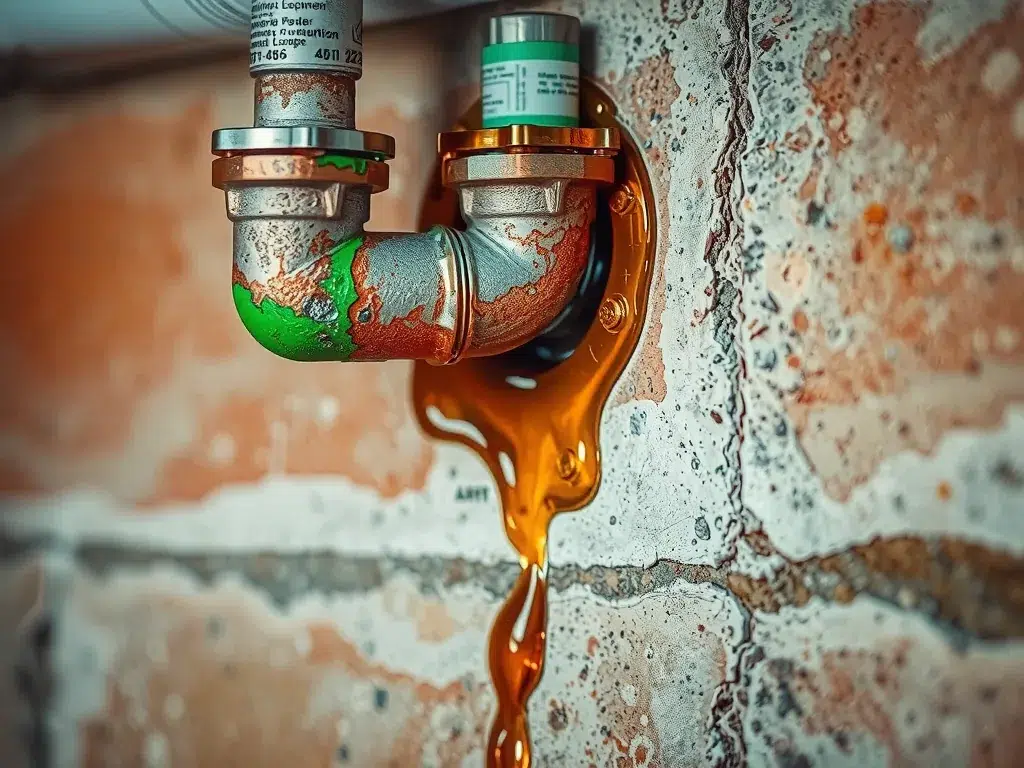
Every spring, the ground thaws — and so does the damage winter left behind. Frozen ground contracts and shifts pipes. Ice expands inside joints. Tree roots, dormant all winter, surge into cracked sewer lines as soon as the soil warms. The result: plumbing failures that were invisible for months suddenly announce themselves as flooded basements, backed-up drains, and water bills that triple overnight.
On AllBetter
Need a plumber?
Post the job free and compare bids from identity-verified local pros — payment held in escrow until the work is done right.
Find a plumber near you →Related: pipe repair pros near you
More: an emergency plumber near you
The average homeowner doesn’t think about plumbing until something breaks. But spring is the one time of year when a $200 inspection catches the problems that become $3,000 to $12,000 emergencies by summer. Here’s what to look for, what it costs, and when to call a pro.
Pipe Repair: $500–$3,000
Sewer Line: $3,000–$12,000
Spring thaw plumbing damage occurs when winter’s freeze-thaw cycles stress pipes, joints, and sewer lines. Water expands 9% when it freezes, creating micro-fractures that widen with each cycle. When the ground finally thaws in spring, these weakened points fail — sometimes catastrophically. The damage is often underground or behind walls, making early detection critical.
The 5 Spring Plumbing Problems (In Order of Frequency)
Tree roots are the #1 cause of sewer line failure. Roots seek moisture and nutrients — your sewer line provides both. Winter freeze-thaw opens joints in older clay and cast iron pipes, and roots exploit every gap when spring growth begins. Signs: slow drains throughout the house (not just one fixture), gurgling toilets, sewage odor in the yard, and unusually green patches of grass over the sewer line. A camera inspection costs $150–$400 and shows exactly what’s happening inside the line.
Pipes that froze but didn’t burst during winter often have micro-fractures that fail when water pressure resumes in spring. Watch for unexplained wet spots on walls or ceilings, a sudden drop in water pressure, the sound of running water when nothing is on, and water meter spinning when all fixtures are off. Repair costs depend on location: accessible pipes run $500–$1,000, while in-wall or underground repairs cost $1,500–$3,000.
Water heaters work hardest in winter heating cold incoming water. By spring, weakened anode rods, sediment buildup, and stressed heating elements reach failure point. Signs: rusty hot water, popping/rumbling sounds, water pooling at the base, and hot water that runs out faster than usual. If your water heater is over 8 years old, spring is the time to inspect it — replacement is planned and affordable, while emergency replacement costs 20–30% more. See our full water heater replacement cost guide for pricing by type and size.
Spring snowmelt and rain dramatically increase groundwater levels. Your sump pump — if you have one — is about to face its heaviest workload of the year. Test it now by pouring a bucket of water into the pit. The pump should activate, evacuate the water, and shut off automatically. If it doesn’t, or if it runs continuously, replace it before the spring rains arrive. A new sump pump installed costs $500–$1,500. A flooded basement from a failed pump costs $5,000–$25,000 in water damage restoration.
Outdoor faucets are the most freeze-vulnerable fixture on your home. If the hose wasn’t disconnected before winter, ice can travel back into the supply pipe inside the wall. Test each outdoor faucet in spring: turn it on and check for leaks both outside and on the interior wall behind it. A leaking hose bib replacement costs $150–$300. An undetected leak inside the wall can cause $2,000–$5,000 in hidden water damage.
The Spring Plumbing Checklist
On AllBetter
Ready to get it done?
Fund escrow before work starts. Release payment when you approve the finished work.
Find a plumber near you →Run through this checklist before the spring rains hit:
- Test every outdoor faucet. Turn on, check for leaks at the faucet AND on the interior wall behind it.
- Test your sump pump. Pour a bucket of water into the pit. It should activate, drain, and shut off.
- Check your water heater. Look for rust, pooling water, unusual sounds, and reduced hot water capacity. Flush sediment if you haven’t in over a year.
- Run every drain. Fill each sink and tub, then release. Slow drainage across multiple fixtures suggests a sewer line issue, not a local clog.
- Read your water meter. Turn off all water in the house, note the meter reading, wait 2 hours, and check again. Any movement means a hidden leak.
- Inspect visible pipes. Check the basement, crawl space, and utility room for green corrosion on copper, white deposits on joints, or any dampness.
When to Call a Plumber
The checklist items above are DIY diagnostics — they tell you whether a problem exists. But the actual repairs almost always require a licensed plumber. Call a pro if you find any of these:
- Slow drains in multiple fixtures (sewer line issue)
- Water meter moving with all fixtures off (hidden leak)
- Wet spots on walls, ceilings, or floors with no visible source
- Sump pump that won’t activate or runs continuously
- Rusty water or rumbling sounds from the water heater
- Sewage odor in the yard or basement
Compare bids from verified, identity-verified plumbers near you on AllBetter — free to post for homeowners, with every payment escrow-protected through Escrow Shield.
Post your plumbing project on AllBetter. Compare 3+ quotes from identity-verified plumbers. Free to post for homeowners.
Hire an ID-verified plumbing pro — without the lead-gen markup
| Feature | Angi / Thumbtack / HomeAdvisor | AllBetter |
|---|---|---|
| Pro Identity Verified | Self-attested, no verification | Stripe Identity verification on every pro |
| Lead Fees to Pros | $15–$80 per lead (passed back to homeowner) | only pay when you win — ever |
| Payment Protection | None — you pay direct, hope for the best | Escrow Shield — you only release payment when work is approved |
| Pro Quality Filter | Anyone can sign up; reviews come later | ID-verified pros, average 3+ bids per job |
| Spam & Auto-Calls | Your phone rings for days after one inquiry | Zero spam — pros message in-platform |
Lead-fee context: plumbing leads on traditional platforms run $20-$80 each — that markup gets baked into your quote.
DIY-ing plumbing work without an ID-verified pro can turn a $200 fix into a $2,000 do-over — and the quality issues only show up months later. The safer move is to post the job on AllBetter — you get ID-verified bids in minutes, no obligation.
Your money sits in escrow and is released only when you approve the work.
Frequently Asked Questions
What plumbing problems happen in spring?
The most common spring plumbing issues are sewer line root intrusion, burst or cracked supply pipes from winter freeze damage, water heater failure after heavy winter use, sump pump failure before spring rains, and outdoor faucet damage from frozen hose bibs.
How much does a spring plumbing inspection cost?
A general plumbing inspection costs $150–$300. A sewer camera inspection adds $150–$400. Combined, you’re looking at $300–$700 for a comprehensive spring evaluation — a fraction of the $3,000–$12,000 cost of emergency sewer or pipe repairs.
How do I know if my sewer line has root damage?
Warning signs include: multiple slow drains throughout the house, gurgling toilets, sewage odor in the yard or basement, and unusually green patches of grass above the sewer line. A camera inspection is the only definitive way to diagnose root intrusion without excavation.
How do I test for hidden water leaks?
Turn off all water fixtures and appliances in the house, note your water meter reading, wait 2 hours without using any water, then check the meter again. Any movement indicates a hidden leak. This simple test catches leaks in walls, under slabs, and in underground supply lines.
When should I replace my water heater?
Most tank water heaters last 8–12 years. Replace yours if it shows rust in hot water, makes rumbling or popping sounds, leaks from the base, or can’t maintain adequate hot water. Spring is the best time for planned replacement — emergency replacement during peak demand costs 20–30% more.
How much does sewer line repair cost?
Trenchless sewer line repair (pipe lining) costs $2,500–$6,000. Traditional excavation and replacement costs $3,000–$12,000 depending on depth, length, and landscaping restoration. Root removal alone costs $200–$600 but is a temporary fix if the pipe has structural damage.
Can I prevent frozen pipe damage?
For next winter: insulate exposed pipes in unheated areas, disconnect garden hoses before the first freeze, keep cabinet doors open during cold snaps to expose pipes to warm air, and maintain your thermostat above 55°F even when traveling. These steps prevent most residential frozen pipe incidents.
More AllBetter resources: