
On AllBetter
Need a plumber?
Post the job free and compare bids from identity-verified local pros — payment held in escrow until the work is done right.
Find a plumber near you →A leaking water heater is two emergencies pretending to be one. There is the water — 40 to 80 gallons of it sitting above your floor — and there is the heat source underneath, gas or electric, that should not be running on a failing tank. Handle both in the first ten minutes and most leaks turn out to be a $150–$650 repair, not a flooded utility room. Here is the order of operations.
What do you do when a water heater is leaking? Shut off the power first (breaker for electric, gas dial to OFF for gas), then shut off the cold-water supply valve on the pipe entering the top of the tank. With power and water off, the leak slows to what is already in the tank — then find where it is coming from, because the location tells you whether this is a fitting fix or a tank replacement.
The First 10 Minutes: Power, Water, Containment
Watch: the first 10 minutes of a water heater leak, in 29 seconds.
- Kill the power FIRST. Electric: flip the water heater’s dedicated breaker (usually a double 30-amp). Gas: turn the control dial on the front of the tank to OFF. Heating elements exposed by a draining tank burn out in minutes, and that turns a leak into a leak plus a dead heater.
- Shut off the cold-water inlet. Follow the cold pipe to the valve above or beside the tank — lever handles turn a quarter; round handles turn clockwise until they stop. This stops the tank from endlessly refilling and feeding the leak.
- If you smell gas, stop. Leave the house and call your gas utility from outside — that is standard federal safety guidance, and it outranks every step on this list.
- Contain the water. Towels at the tank base, and move anything stored nearby. If the heater sits in a drip pan with a drain line, the pan is doing its job — check that its drain is not blocked.
- Take a photo of the leak point. Top fittings, side valve, bottom drain, or seeping from under the tank itself — the photo lets a plumber quote you accurately over the phone instead of guessing on-site.
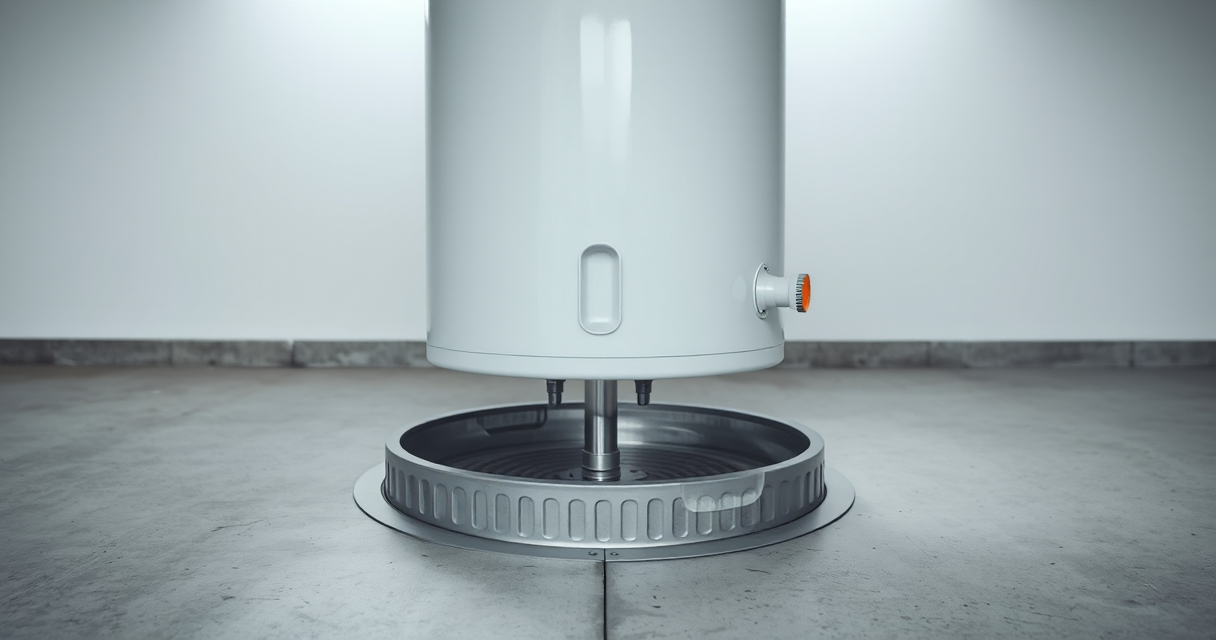
Where Is It Leaking From? (This Decides Everything)
On AllBetter
Ready to get it done?
Fund escrow before work starts. Release payment when you approve the finished work.
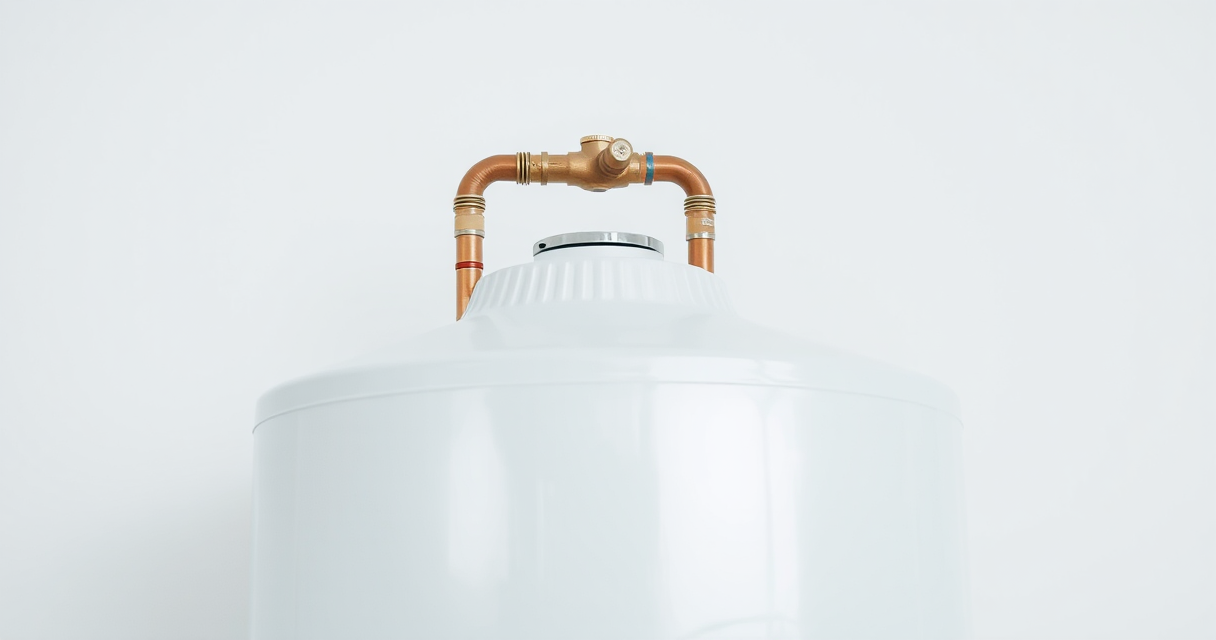
Find a plumber near you →- Top of the tank — inlet/outlet fittings. Best case. Loose or corroded connections where the pipes meet the tank. Usually a $150–$350 fix, sometimes just a wrench turn.
- Side of the tank — the T&P relief valve. The temperature-and-pressure valve discharges when pressure gets too high, and drips when it is failing. Replacement runs $150–$300 — but a T&P valve that keeps opening can also mean your temperature is set too high. The Department of Energy recommends 120°F for most homes; it saves energy and eases pressure.
- Bottom — the drain valve. The spigot near the floor weeps when its washer ages. A $100–$250 swap, and briefly DIY-able with a hose cap while you wait.
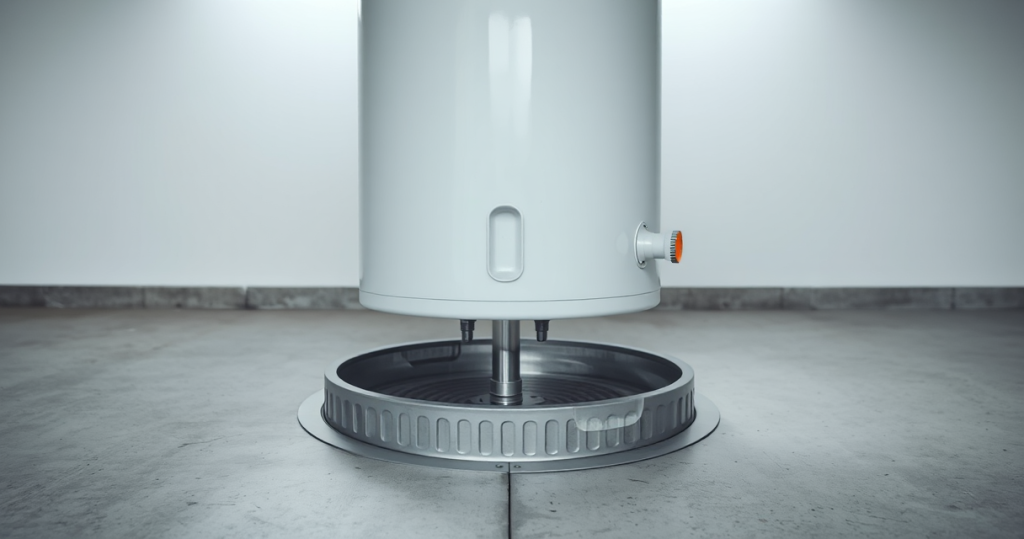
- Under the tank — the tank itself. Water seeping from the bottom with no wet fitting above it means internal corrosion has finally won. No repair exists for a rusted-through tank: this is replacement, and the leak only gets faster from here.
Repair or Replace? The 10-Year Question
Two numbers decide it: the tank’s age (check the serial-number sticker — the first four digits usually encode month and year) and where the leak is. Fittings and valves on a heater under 8 years old: repair, easy call. A tank-body leak at any age: replace, no debate. The gray zone is a repairable leak on a 10+ year tank — you can fix the valve, but you are patching the crew quarters on a sinking ship. In 2026 a like-for-like tank swap runs $900–$1,600 installed, and stepping up to tankless runs $1,400–$5,600 — the full math, including the efficiency payback, is in our water heater replacement cost guide.
| Situation | Call | Typical 2026 cost |
|---|---|---|
| Fitting/valve leak, tank under 8 yrs | Repair | $100–$450 |
| Fitting/valve leak, tank 10+ yrs | Repair, budget to replace | $150–$650 now |
| Tank-body leak, any age | Replace | $900–$1,600 (tank) |
| Replace + upgrade to tankless | Replace | $1,400–$5,600 |
Can It Wait Until Morning?
With the water and power off — usually yes. A contained drip from a valve or fitting is a next-morning appointment, and standard-hours pricing will be a fraction of the 1.5–3× after-hours premium ($150–$500 call-out plus $100–$200 an hour). Book it today either way: a shut-off water heater means cold showers, and leaks never age well. Do not wait when water is spreading faster than you can contain it, when the leak is above finished living space, or when you cannot get the supply valve to close — that is what an emergency plumber is for. General pricing context for whatever they find is in our plumbing repair cost guide — and once this one is fixed or replaced, ten minutes a year of prevention (flush the tank, test the T&P valve) is the whole game: the routine is in our water heater maintenance guide.
Leaking Water Heater FAQ
Where these numbers come from: the ranges in this guide reflect what these jobs typically bid on AllBetter and standard plumber pricing across U.S. metros in 2026, consistent with our water heater replacement and plumbing repair cost guides; temperature and gas-safety guidance from the U.S. Department of Energy and Ready.gov. Your exact price depends on the leak source, tank age, and timing.
Is a leaking water heater an emergency?
It is urgent, not always an emergency. Shut off power and water and most leaks become a controlled, next-morning repair. It becomes an emergency when you cannot stop the water, it is spreading into living space, or you smell gas — gas means leave first, call the utility from outside.
Can I still use water in the house if the water heater is leaking?
Yes. Shutting the cold inlet on the heater isolates the tank; the rest of the house keeps cold water. You lose hot water until the fix — which is why even a contained leak is worth booking same week, not someday.
Why is my water heater leaking from the bottom?
Either the drain valve is weeping (a $100–$250 fix) or the tank has corroded through from the inside (replacement, $900–$1,600 for a like-for-like swap). Dry the floor, then check whether the water traces back to the valve or seeps from under the tank body itself.
How long does a water heater last?
Tank units typically run 8–12 years; tankless units roughly double that. Past year ten, treat any leak as the tank announcing its retirement plans — you can repair a valve, but budget for the replacement conversation.