
Every April, millions of homeowners flip the thermostat from “heat” to “cool” and assume everything is fine. By July, HVAC companies are fielding 3x their normal call volume — and most of those emergency calls trace back to a single spring decision: skipping the tune-up.
On AllBetter
Need a local pro?
Post the job free and compare bids from identity-verified local pros — payment held in escrow until the work is done right.
Find a verified pro near you →See also: a seasonal HVAC tune-up near you
Emergency AC repair averages $800–$2,500. The spring tune-up that prevents it? $75–$200. The real cost shock comes when the compressor dies — a $2,500–$4,500 bill that almost always started with a problem a tech would have caught in April.
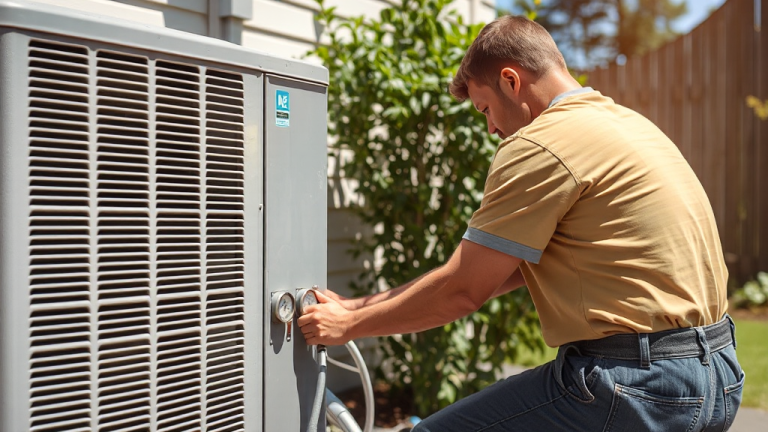
A spring AC tune-up is a pre-summer inspection: a certified HVAC tech checks refrigerant, electrical connections, airflow, compressor, capacitor, and coils, and verifies the system cycles correctly. 45–90 minutes, $75–$200 depending on where you live and the system type.
The Three Failures That Start in April
HVAC contractors see the same three failure patterns every summer. All three are preventable with a spring inspection — and all three get exponentially more expensive the longer they go undetected. Not sure whether your system is already showing warning signs? Check our HVAC repair warning signs guide.
1. Slow Refrigerant Leak — $150 fix → $4,000 failure
A slow leak drops cooling capacity 1–2% per month. In April, you won’t notice. By July, the compressor runs overtime under 95°F+ loads and burns out. A spring pressure test locates and seals the leak for $150–$300. A burned compressor runs $2,500–$4,500 — and on systems 10+ years old, most contractors push for full replacement ($5,000–$12,000).
2. Failing Capacitor — $200 fix → $1,200 emergency
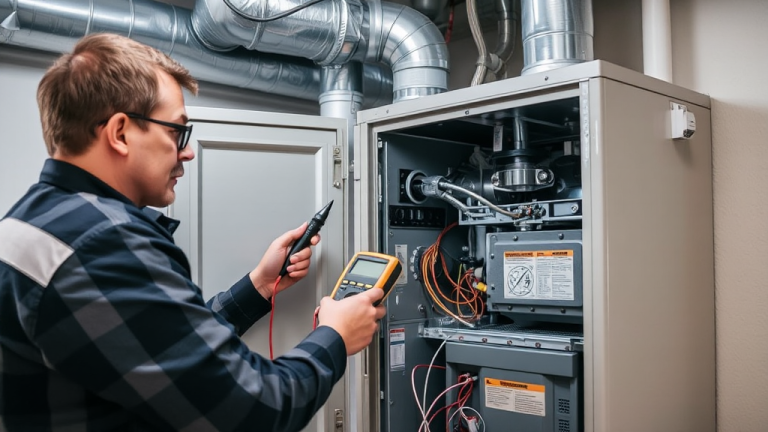
The capacitor stores the electrical energy that starts your compressor and fan motor. They weaken gradually; a multimeter test during a tune-up shows exact health, and replacing a weak one runs $150–$250. When it fails mid-summer, the system won’t start at all — emergency visit $250–$400, plus part, plus 2–5 days waiting because every HVAC tech in your area is already booked.
3. Dirty Evaporator Coil — $200 fix → $800+ inefficiency
Evaporator coils collect dust, pet hair, and microbial growth over winter. A dirty coil cuts cooling efficiency 20–30%: longer cycles, $30–$60/month higher bills all summer, sustained compressor stress. Professional cleaning is $100–$250. Leaving it dirty costs $200–$500 in excess electricity per summer and shortens lifespan 2–4 years.
What a $150 Tune-Up Actually Covers
On AllBetter
Ready to get it done?
Fund escrow before work starts. Release payment when you approve the finished work.
Find a verified pro near you →- Refrigerant check — pressure test and leak detection. Catches the slow leaks that burn out compressors (the #1 preventable failure).
- Electrical testing — capacitor, contactor, wiring. A multimeter pulls the capacitor’s microfarads; weak ones get replaced before they fail.
- Coil cleaning — evaporator + condenser. Removes dust and microbial buildup that drags efficiency down 20–30%.
- Full system cycle test — confirms a correct 16–22°F temperature split and that the condensate drain runs clear.
The Real Cost of Waiting: Month-by-Month
| When you book | What you pay |
|---|---|
| April — scheduled tune-up | $75–$200 |
| May — last-minute booking | $150–$300 |
| June–July — emergency repair | $800–$2,500 |
| July–Aug — compressor replacement | $2,500–$4,500 |
| August — full system replacement | $5,000–$12,000 |
What You Can Do This Weekend (Before the Tune-Up)
While you wait for your professional appointment, handle these four DIY tasks that take less than an hour total. For the complete step-by-step process, follow our spring AC maintenance checklist.
- Replace your air filter. A clogged filter makes your system work 15% harder. Standard filters cost $5–$15; MERV 11+ for pets and allergies: $15–$30.
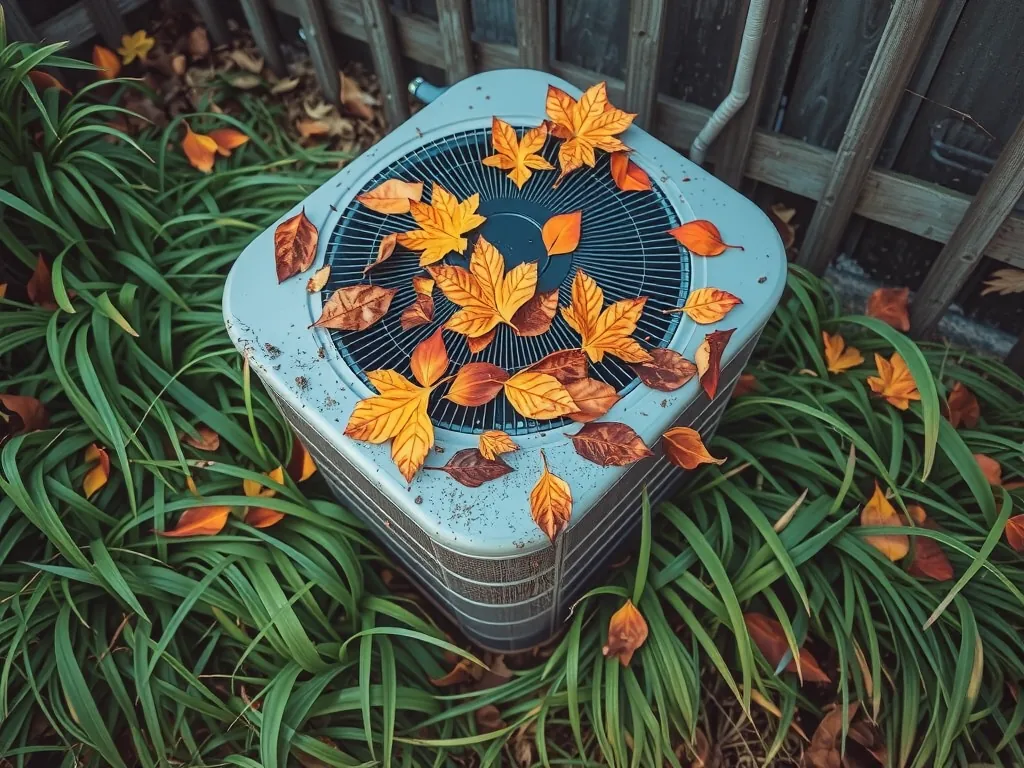
- Clear debris from the outdoor condenser. Remove leaves, twigs, and grass clippings within 2 feet. Rinse the fins gently with a garden hose (never a pressure washer).
- Flush the condensate drain line. Pour a cup of white vinegar down the access point to prevent clogs that cause water damage and system shutdowns.
- Test your thermostat. Switch to “cool,” set 5°F below room temperature, and confirm cold air reaches every vent within 5 minutes. If your thermostat is 8+ years old, our smart thermostat installation cost guide covers the upgrade economics.
Hire an ID-Verified AC Pro — Without the Lead-Gen Markup
| Feature | Angi / Thumbtack / HomeAdvisor | AllBetter |
|---|---|---|
| Pro Identity Verified | Self-attested, no verification | Stripe Identity verification on every pro |
| Lead Fees | $15–$80/lead (passed to homeowner) | only pay when you win |
| Payment Protection | None — you pay direct | Escrow Shield — release on approval |
April is the sweet spot: techs are available, pricing is standard, and you have time to address issues before the first heat wave. By May, most companies are booked 2–3 weeks out; by July you’re competing with every homeowner whose system just failed. Compare bids from identity-verified HVAC pros on AllBetter — free to post for homeowners, every payment escrow-protected.
Frequently Asked Questions
How much does a spring AC tune-up cost?
A spring AC tune-up typically costs $75 to $200 depending on your location, system type, and whether the technician finds issues that need repair. This covers refrigerant pressure testing, electrical component checks, coil cleaning, and a full system cycle test.
What happens if I skip AC maintenance?
Skipping maintenance allows small problems — like slow refrigerant leaks, weak capacitors, and dirty coils — to escalate into major failures. The most common result is a burned-out compressor during peak summer heat, which costs $2,500 to $4,500 to replace. Annual maintenance extends your system’s lifespan by 5–10 years and reduces energy costs by 15–25%.
When should I schedule my spring AC tune-up?
Schedule in March or early April, before demand picks up. By May, most HVAC companies are booked 2–3 weeks out, and emergency surcharges start applying during heat waves in June and July.
Can I do AC maintenance myself?
You can handle filter replacement, outdoor unit cleaning, drain line flushing, and thermostat testing yourself. However, refrigerant checks, electrical testing, and coil cleaning require a licensed HVAC technician with specialized tools. DIY steps save $15–$40; the professional tune-up catches the problems that cause $800–$4,500 failures.
How do I know if my AC compressor is failing?
Warning signs include: the outdoor unit runs but blows warm air, the system short-cycles (turns on and off rapidly), you hear grinding or clicking noises from the outdoor unit, or your electricity bill spikes without explanation. If you notice any of these, call an HVAC professional immediately — running a failing compressor causes additional damage.
Is an HVAC maintenance contract worth it?
For most homeowners, yes. Contracts cost $150–$300 per year and typically include two tune-ups (spring AC + fall furnace), priority scheduling during emergencies, 10–20% discounts on repairs, and guaranteed response times. The priority scheduling alone is worth the cost when your system fails in July and non-contract customers wait 3–5 days.
What’s the difference between AC repair and AC tune-up?
A tune-up is preventive maintenance — inspecting, cleaning, and testing the system before problems occur. A repair fixes something that’s already broken. Tune-ups cost $75–$200 and prevent most repairs. Repairs cost $150–$2,500+ depending on the component.