
A running toilet wastes up to 200 gallons of water per day — roughly $70 a month on your water bill, every month you delay the fix, per the EPA. The repair itself is small. The question isn’t can it be fixed; it’s who fixes it for the right price. A handyman runs $75–$125 for a flapper or fill-valve swap. A solo plumber pulled off a same-day call runs $150–$250 for the identical 20-minute job. Two months of ignoring it costs more than either.
On AllBetter
Need a house cleaner?
Post the job free and compare bids from identity-verified local pros — payment held in escrow until the work is done right.
Find a house cleaner near you →Below: the 60-second diagnostic that tells you which part failed, when a $15 part fix is safe, and when calling a pro saves you from a $300 valve-seat job or a $2,000 subfloor repair. Prefer to skip the diagnosis? Post the job on AllBetter — ID-verified plumbers bid the specific repair.
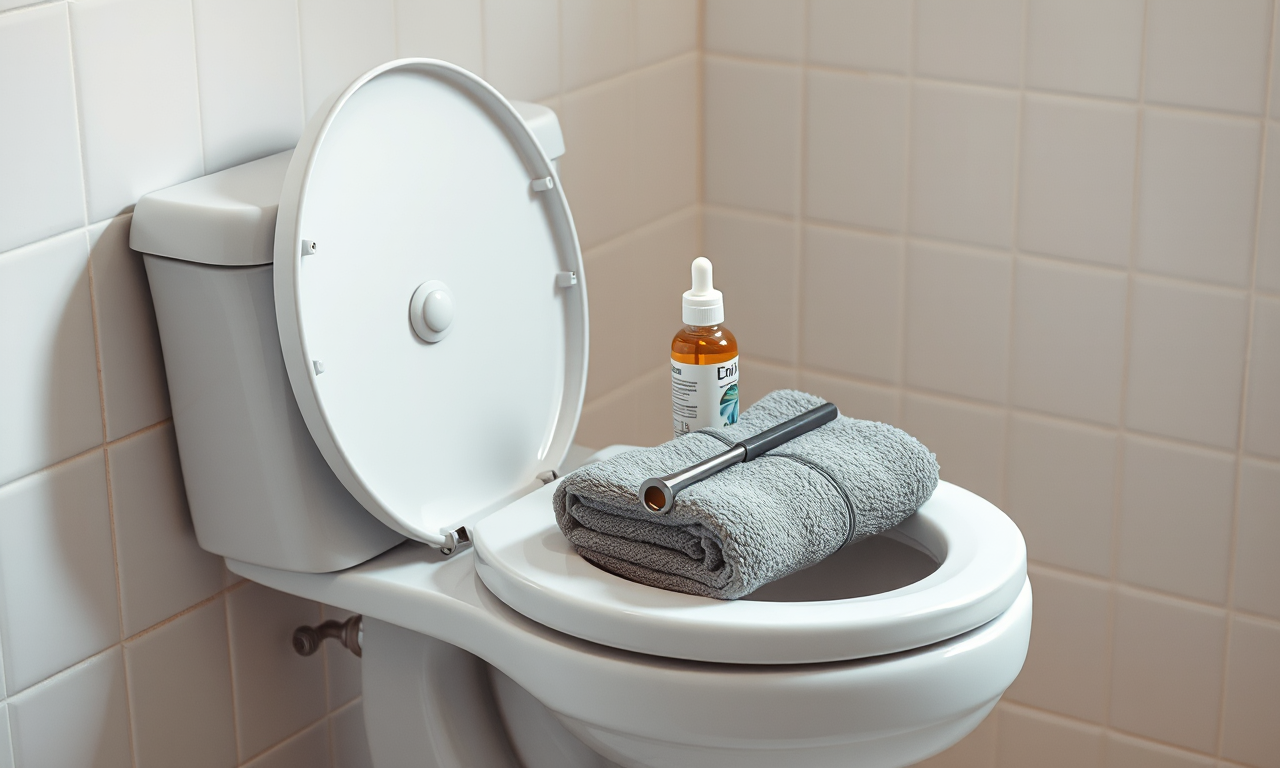
Cost of delay: why the math favors fixing this week
A running toilet is the single largest source of residential water waste, per the EPA’s WaterSense program. What you pay for waiting:
- ~$70/month added to a typical water bill — ~6,000 gallons wasted.
- Mineral buildup on the valve seat after 60–90 days — a $10 flapper swap becomes a full fill-valve replacement.
- Subfloor damage if it migrates from tank to wax ring — $1,500–$3,000 once drywall and joists are involved.
Two months of “I’ll get to it” routinely costs more than the repair itself. Don’t sit on it.
Handyman vs plumber: what each costs for a running toilet
The job is small. The price spread between providers is not. Here’s what a running-toilet repair actually costs in 2026:
| Path | Typical Cost | When It Fits |
|---|---|---|
| DIY parts only | $5–$25 | One failed part, modern toilet, comfortable shutting off the supply valve. |
| Handyman (AllBetter bid) | $75–$125 firm | Standard flapper, fill valve, or float swap. Quoted on the job. |
| Solo plumber (cold call) | $150–$250 | Trip charge + hourly minimum. Same labor, different rate card. |
| Plumber + valve-seat or wax ring | $250–$450 | Corroded seat, leak at the base, or multiple failed parts. |
| Full toilet replacement | $350–$800 | 25+ year-old unit, 3.5+ gpf, or cracked porcelain. |
The catch with the cold-call path: a solo pro knows it’s a fast, captive job and prices accordingly. Competition flips that. On AllBetter, describe the symptom — “runs after flush, won’t stop filling” — and several ID-verified plumbers bid a firm price on that exact repair. A 20-minute job gets priced like a 20-minute job. Compare local pros in minutes.
The 60-second food-coloring diagnostic (do this first)
On AllBetter
Ready to get it done?
Fund escrow before work starts. Release payment when you approve the finished work.
Find a house cleaner near you →Before you call anyone or buy any part, run this test. It costs nothing and tells you which part failed.
- Lift the tank lid. Drop 5–10 drops of food coloring into the tank water.
- Do not flush. Walk away for 15 minutes.
- Come back and check the bowl.
Color in the bowl = the flapper is leaking. Tank water is slipping past the seal; the fill valve cycles on to top it back up. Replace the flapper — $5–$10 part, 15 minutes.
No color in the bowl, water still running into the overflow tube = the fill valve or float. Water is rising above the overflow and draining continuously. (Water coming over the bowl rim instead is a different emergency — our toilet overflow guide covers the 60-second stop.) Adjustment or full fill-valve replacement is the fix.
That test lets you describe the job accurately to a pro — or decide it’s a part-swap you handle yourself.
When DIY is safe (compressed)
If the diagnostic points to one failed part on a modern toilet, the three common DIY fixes are short:
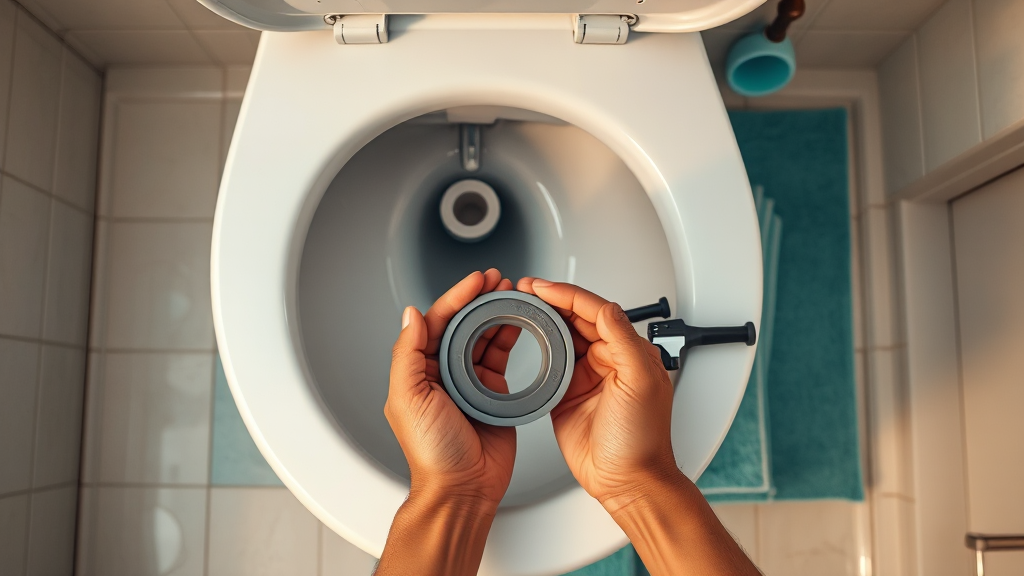
- Flapper swap. Shut the supply valve, flush to drain, unhook the old flapper from the overflow pegs and chain, take it to the hardware store to size-match (2″ or 3″), snap the new one on, leave ~½” chain slack, restore water. 15–20 minutes.
- Fill float adjustment. Modern cup-style float: turn the plastic adjustment screw counterclockwise to lower the float ~½” so water stops about an inch below the overflow tube (the “CL” critical-level line). Older ball-style: bend the brass arm down slightly. 5 minutes.
- Fill tube reseat. The small tube clipping from the fill valve to the overflow pipe should sit ~1″ above the overflow rim, pointing in. If it’s slipped off, push it firmly back on. If it’s cracked, replace it — $2 part. 5 minutes.
That’s the playbook. If any step makes you uncertain, hire it out — a wrongly seated flapper or overtightened fill-valve nut leaks at the base and turns a small repair into a floor repair.
When to call a pro instead
Skip the DIY route and book a pro if any of these apply — these are the cases where pushing through costs more than hiring out:
- Water on the floor at the base of the toilet. That’s a failed wax ring, not a tank-internals issue. The toilet has to come off the flange — plumber territory.
- The toilet still runs after a flapper swap AND a float adjustment. Multiple parts have failed; the fill-valve assembly is likely going. A pro replaces the whole assembly in one visit.
- Visible cracks in the porcelain tank or bowl. Cracks spread under pressure — replace the toilet, not the parts.
- The shut-off valve behind the toilet is corroded and won’t turn. Forcing it snaps the supply line. That becomes an emergency.
- The toilet is 25+ years old or uses non-standard parts. Better to replace with a WaterSense model — pays back in 2–3 years on water savings alone.
- You hear continuous hissing from the fill valve. Valve seat is corroded. Forcing a new flapper onto a bad seat wastes the part and the time.
General rule: handyman handles standard flapper, float, and fill-valve work; licensed plumber for wax-ring replacement, supply lines, or anything code-related. Our plumber booking guide walks through what to ask and how to read a bid, and water heater maintenance tips covers the related fixtures most homeowners overlook.
Still running? Get real plumber bids
Post the job once and identity-verified pros send real bids — compare prices side by side, and your payment sits in escrow until you approve the finished work.

Preventive maintenance
Once a year, run the food-coloring test on every toilet in the house, check that the fill tube is still clipped to the overflow, and confirm the water level sits an inch below the overflow rim. Rubber flappers last 3–5 years — replace on schedule, not after the leak. If you already book a plumber annually for a water heater or sump pump, add toilets to that same call.
Frequently Asked Questions
How much water does a running toilet waste per day?
A running toilet can waste between 100 and 200 gallons per day depending on the severity of the leak. The EPA estimates that a single leaking toilet can add $70 or more per month to your water bill. Even a slow, intermittent leak wastes thousands of gallons per year.
How do I know if the flapper or the fill valve is the problem?
Drop food coloring into the tank and wait 15 minutes without flushing. If colored water appears in the bowl, the flapper is leaking. If the coloring stays in the tank but water still runs into the overflow tube, the fill valve or float is the issue.
How much does a plumber charge to fix a running toilet?
A solo plumber pulled off a cold call typically runs $150 to $250 for a standard running-toilet repair, including a trip charge and an hourly minimum. A handyman quoting the same job firm runs $75 to $125. On AllBetter, several pros bid on the specific symptom, so the price tracks the actual work rather than the hourly clock.
What is the difference between a handyman and a plumber for toilet repairs?
A handyman can handle standard toilet repairs like flapper replacement, float adjustment, and fill valve swaps. A licensed plumber is the better choice for supply-line modifications, wax ring replacements, or any work that requires a permit.
Why does my toilet run intermittently instead of constantly?
Intermittent running (sometimes called phantom flushing) usually means the flapper has a slow leak. Water seeps past the weakened seal gradually, and once the tank level drops far enough, the fill valve turns on briefly to top it off. Replacing the flapper almost always resolves it.
Should I replace the entire toilet instead of fixing a running one?
If your toilet is over 25 years old, uses 3.5 gallons or more per flush, or needs frequent repairs, replacing it with a WaterSense-certified model often makes financial sense within two to three years through water savings alone. For newer toilets, a $10 flapper swap is almost always the better investment.
Are Angi, Thumbtack, or HomeAdvisor cheaper than calling a plumber direct?
Not usually. Angi, Thumbtack, and HomeAdvisor charge pros $15 to $80 per lead, and that markup gets baked into the quote you receive. On AllBetter pros only pay when they win, which is why bids on small defined jobs like a running toilet tend to come in lower and firmer.