
On AllBetter
Need a plumber?
Post the job free and compare bids from identity-verified local pros — payment held in escrow until the work is done right.
Find a plumber near you →An overflowing toilet gives you about fifteen seconds to act before water reaches the hallway. The good news: stopping it takes one hand motion, no tools, and works on every toilet made in the last sixty years. Here is exactly what to do — in order — from the first second to the moment you decide whether this is a plunger job or a plumber job.
What do you do when a toilet is overflowing? Take the tank lid off and push the flapper (the rubber disc at the bottom of the tank) closed, then shut the water valve behind the toilet by turning it clockwise. That stops the flow instantly — then clear the clog with a flanged plunger before you flush again.
The First 60 Seconds: Stop the Water
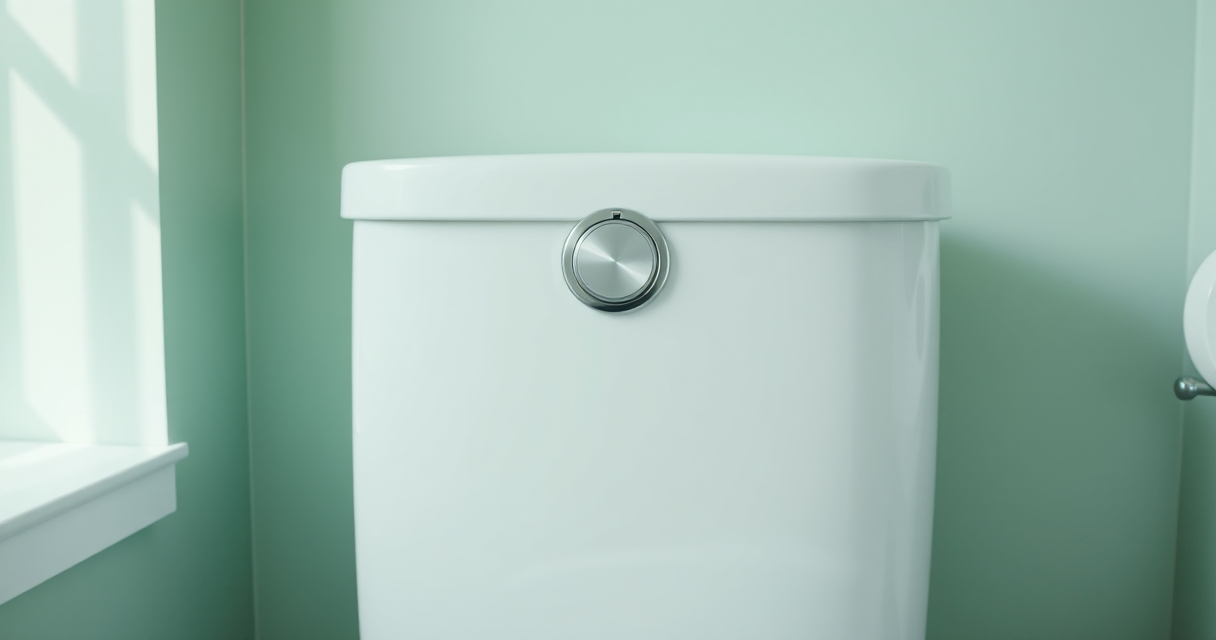
- Lift the tank lid and push the flapper down. The flapper is the rubber disc at the bottom center of the tank. Holding it closed stops water from entering the bowl immediately — faster than any valve.
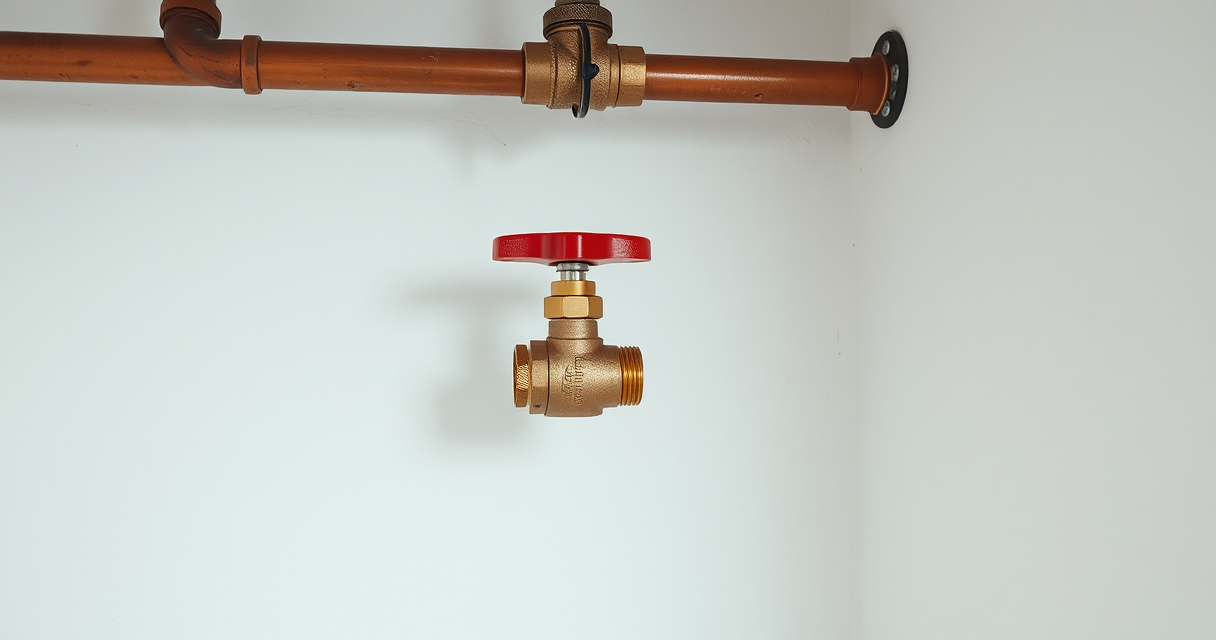
- Shut off the supply valve. It is the football-sized oval or lever handle on the wall behind or beside the toilet. Turn it clockwise until it stops. If it has not been touched in years it may be stiff — steady pressure, not force.
- If the valve will not budge, lift the float. Prop up the float arm or float cup inside the tank with anything handy (a ruler across the tank works). A lifted float tells the fill valve the tank is full, so it stops refilling.
- Do not flush again. One more flush is how a bowl-level problem becomes a floor-level problem. Every overflow that reaches a downstairs ceiling started with a hopeful second flush.
The Next 10 Minutes: Contain and Clear
- Get towels down at the base first — water follows the caulk line and finds the subfloor fast. If water already escaped, mop it now; drying the floor within the hour is what keeps this a plumbing story instead of a flooring story.
- Plunge with a flanged plunger. The bell-shaped one with the fold-out rubber sleeve is made for toilets (a flat sink plunger barely seals). Push down slowly, pull up sharply, keep the seal — 15–20 strokes before you judge the result.
- Check the water level. If the bowl drains to normal, open the supply valve, let the tank refill, and do one courage flush with the flapper hand ready. If it drains slowly or not at all, move to the auger.
- Try a toilet auger if you have one. A $25–$40 closet auger reaches the trap clogs a plunger cannot. If you do not own one, this is the decision point: buy one, or call a pro.
- Wash up like you mean it. Overflow water is category-3 water if anything was in the bowl. Gloves, hot water, disinfectant on every surface it touched.
When It Is a Plunger Job vs. a Plumber Job
One overflow after a known cause (too much paper, a kid-sized science experiment) that clears with a plunger is DIY territory. Call a pro when you see any of these: the toilet overflows again within a day, more than one drain in the house is slow at the same time, water backs up into the tub or shower when you flush, or you hear gurgling from other fixtures. Those are main-line symptoms — the clog is downstream of the toilet, and no amount of plunging upstream fixes it. A drain cleaning visit runs $100–$500 depending on whether it is a fixture drain or the main line, and it beats a sewage backup by every measure there is.
What the Fix Costs in 2026
On AllBetter
Ready to get it done?
Fund escrow before work starts. Release payment when you approve the finished work.
Find a plumber near you →| Fix | Typical 2026 cost | When |
|---|---|---|
| Flanged plunger + gloves (DIY) | $10–$40 | First overflow, known cause |
| Closet auger (DIY tool) | $25–$60 | Plunger will not clear it |
| Pro toilet repair visit | $150–$400 | Repeat clogs, flapper/fill-valve faults |
| Drain / main-line cleaning | $100–$500 | Multiple slow drains, backups |
| After-hours emergency call | $300–$800+ | Water you cannot stop, sewage backup |
Why Toilets Overflow (and Which Cause You Have)
- A clogged trap or drain — the classic. The flush water has nowhere to go, so it comes back up. Plunger first, auger second.
- A blocked main line — the whole-house version. Other drains gurgle or back up too. This is a pro call, not a plunger session.
- A fill valve that will not stop — if the bowl overflows without being flushed, the tank hardware is failing and water is escaping through the overflow tube into a bowl that cannot drain fast enough. Toilet repair territory ($150–$400), and while the plumber is there, it is worth fixing properly — the EPA’s WaterSense program pegs household leaks at nearly 10,000 wasted gallons per home per year, and a misbehaving toilet is the single biggest offender.
- A septic or sewer problem — overflows after heavy rain, or in the lowest bathroom of the house, point downstream of your plumbing entirely.
Can It Wait Until Morning?
Usually, yes — and your wallet wants it to. Once the supply valve is off and the bowl has drained, an out-of-service toilet is an inconvenience, not an emergency, especially in a home with a second bathroom. After-hours plumber pricing runs 1.5–3× standard rates (a typical emergency visit lands at $300–$800+, detailed in our emergency plumber cost guide), so the same clog cleared at 9 a.m. costs a fraction of the 11 p.m. version. The exceptions that should not wait: sewage coming up in more than one fixture, water you cannot shut off, or an overflow above a finished ceiling. For a broader look at what pros charge once they arrive, see our plumbing repair cost guide — and if the toilet itself has become the repeat offender, the toilet repair cost guide breaks down the fix-vs-replace math. A toilet that runs constantly between overflows has its own five-minute fix: our running toilet guide covers it.
Toilet Overflow FAQ
Where these numbers come from: the ranges in this guide reflect what these jobs typically bid on AllBetter and standard plumber pricing across U.S. metros in 2026, consistent with our toilet repair, drain cleaning, and emergency plumber cost guides, with water-waste figures from the EPA WaterSense program. Your exact price depends on the cause, access, and timing — comparing several bids beats any table.
Will an overflowing toilet stop on its own?
A clog overflow usually stops once the tank empties — one flush moves about 1.6 gallons. But the next flush starts it again, and a stuck fill valve will not stop at all. Close the flapper and the supply valve rather than waiting it out.
Why is my toilet overflowing without being flushed?
That points at the tank hardware or the line, not what went in the bowl: a fill valve running nonstop into a bowl that cannot drain, or a backed-up main line pushing water from elsewhere in the house to its lowest exit. Both are worth a pro visit.
Is toilet overflow water dangerous?
Treat it as contaminated if anything was in the bowl. Wear gloves for cleanup, disinfect every surface the water touched, and wash textiles hot. Water that soaked into subfloor or a downstairs ceiling needs drying fast — that is where mold starts.
What does it cost to fix a toilet that keeps overflowing?
A pro toilet repair visit runs $150–$400 in 2026. If the real problem is the drain or main line, cleaning runs $100–$500. After-hours emergency service runs $300–$800+ — which is why stopping the water yourself and booking morning service is the money move.