

Don’t want to DIY? Skip the lead-gen markup — post the job on AllBetter and get ID-verified bids in minutes. only pay when you win, Escrow Shield on every transaction.
Need a local pro? Post the job free and compare bids from identity-verified local pros — payment held in escrow until the work is done right.
Find a verified pro near you →Check your inbox for a confirmation email.
Two kitchens in the same neighborhood, same size, same age — one remodel costs $18,000, the other costs $62,000. The difference is not square footage. It is decisions. Where you move the sink, whether you replace cabinets or paint them, and how many trades you involve determine the final number more than any material choice. According to the NAHB, kitchen remodels range from $15,000 for a cosmetic refresh to $80,000 or more for a full gut renovation, and most of the cost variation comes from scope decisions made before a single hammer swings.
Quotes for the same rehab routinely land 2-4x apart — why contractor quotes vary so much explains the four forces behind the spread.
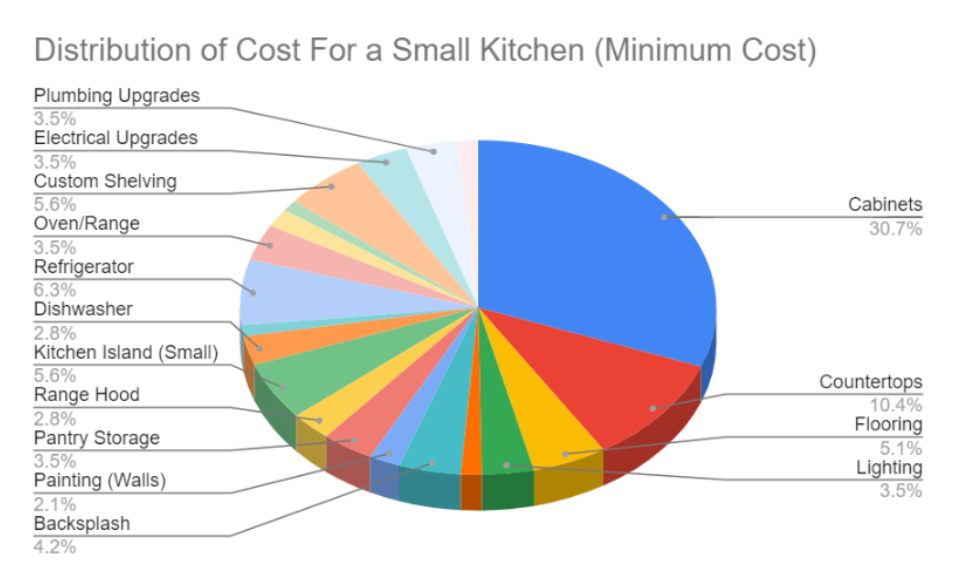
How much does a kitchen remodel really cost? The national average kitchen remodel costs $25,000 to $50,000 for a mid-range project. Cabinets and hardware consume roughly 30% of the budget, labor takes another 30%, appliances account for 15%, countertops 10%, electrical and plumbing 10%, and permits and miscellaneous expenses fill the remaining 5%. The single biggest cost driver is whether you change the kitchen layout or keep the existing footprint.

The Footprint Rule: The Single Decision That Controls Your Budget
Skipping the DIY route? You can post the job on AllBetter and have ID-verified pros bidding within the hour — no spam calls, payment held in escrow until you approve the work.
Moving a sink even a few feet requires opening floors or walls, rerouting drain lines and water supply pipes, pulling plumbing permits, and scheduling inspections. That single relocation adds $1,500 to $3,000 to the project before any visible improvement happens. Moving a gas stove requires a licensed plumber to reroute gas lines, adding another $1,000 to $2,500. Moving electrical for a refrigerator or adding circuits for new outlet placements adds $500 to $1,500.
According to Angi / Thumbtack / HomeAdvisor, keeping the existing kitchen layout saves 20% to 30% of total project cost. On a $40,000 remodel, that is $8,000 to $12,000 in savings that can be redirected to higher-quality finishes, better appliances, or upgraded countertops — things you actually see and touch every day.
Where Kitchen Remodel Money Actually Goes
Understanding budget allocation prevents sticker shock and helps you identify where to save without sacrificing quality. Here is a realistic breakdown:
| Category | Budget Share | Typical Cost Range |
|---|---|---|
| Cabinets and hardware | ~30% | $5,000 – $25,000 |
| Labor (all trades) | ~30% | $5,000 – $20,000 |
| Appliances | ~15% | $3,000 – $12,000 |
| Countertops | ~10% | $2,000 – $8,000 |
| Electrical and plumbing | ~10% | $1,500 – $6,000 |
| Permits, design, misc | ~5% | $500 – $3,000 |
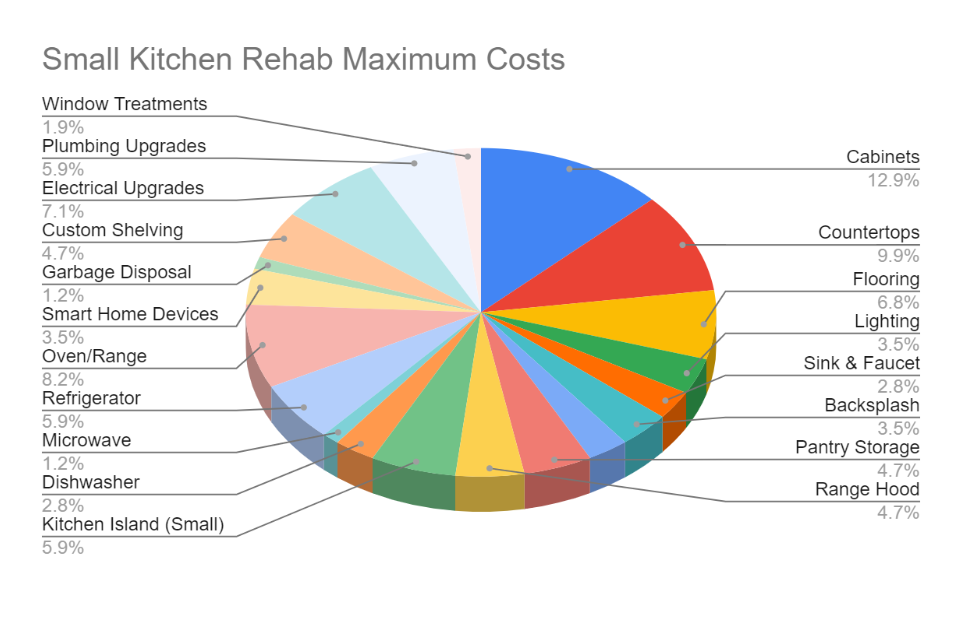
Cabinets and labor together consume 60% of the typical kitchen budget. This is why cabinet decisions have the largest impact on total cost. Painting or refacing existing cabinets instead of replacing them can save $5,000 to $15,000 on a mid-range project — often the single biggest savings opportunity available.
Pro Tip
Labor costs vary significantly based on how many different trades are involved. A cosmetic refresh might need only a painter and a handyman. A partial remodel adds a countertop installer. A full gut renovation requires a general contractor coordinating carpenters, plumbers, electricians, tile installers, and painters simultaneously. Each additional trade adds scheduling complexity and cost.
Three Tiers of Kitchen Remodel: Good, Better, Best
Cosmetic Refresh ($8,000 – $18,000)
This tier keeps the existing layout, cabinets, and appliances in place while refreshing everything visible. Paint the cabinets, replace hardware, update light fixtures, install a new backsplash, and swap out the faucet. The kitchen looks and feels significantly different without involving plumbers or electricians.
Cosmetic refreshes deliver the highest ROI of any kitchen project, returning approximately 95% of their cost at resale according to the Remodeling Magazine Cost vs. Value Report. They are also the fastest option, typically completing in one to two weeks with minimal disruption to daily life.
A family can continue using the kitchen during most of a cosmetic refresh, which eliminates the need for takeout budgets and temporary cooking arrangements that add hidden costs to larger remodels.
Partial Remodel ($20,000 – $45,000)
This tier replaces cabinets, countertops, and appliances while keeping the existing layout. It may include electrical upgrades for additional outlets or under-cabinet lighting. The kitchen gets a completely new look and improved function without the expense of moving plumbing or gas lines.
Partial remodels represent the sweet spot where cost and value balance best. You get a kitchen that looks and performs like new without the budget risk of layout changes. The cost-to-value ratio remains strong because you are upgrading surfaces and function without paying for hidden structural work.
Full Gut Renovation ($50,000 – $80,000+)
This tier changes everything: layout, cabinetry, appliances, plumbing, electrical, flooring, and potentially wall placement. It requires permits, multiple inspections, and a general contractor to coordinate all trades. Full gut renovations are appropriate when the existing layout genuinely does not work — a galley kitchen that blocks traffic flow, inadequate counter space for the household’s needs, or structural problems that require attention anyway.
Budget Warning
The NAHB reports that full kitchen remodels exceed their original budget in more than 40% of cases. The primary budget killers are scope changes after demolition reveals hidden problems (outdated wiring, water damage, inadequate framing) and mid-project upgrades that seem small but compound quickly. Always set aside 15% to 20% of the total budget as a contingency fund. Homes built before 1980 are especially likely to reveal outdated wiring, lead paint, or asbestos that must be remediated before new work can proceed.
Where to Save Without Sacrificing Quality
Ready to get it done? Post your job on AllBetter, compare verified bids, and pay only when you approve the finished work.
Find a verified pro near you →Smart kitchen budgeting is about knowing which dollars create visible impact and which ones disappear behind walls.
Save on cabinets. Paint or reface existing cabinets instead of replacing them. If the cabinet boxes are structurally sound, a professional paint job and new hardware transforms their appearance for $1,500 to $3,000 versus $8,000 to $25,000 for full replacement.
Save on tile. Classic subway tile costs $3 to $5 per square foot installed. Custom mosaic patterns cost $15 to $40 per square foot. The visual difference in a backsplash is minimal compared to the price difference. White subway tile has remained stylish for over a century precisely because its simplicity works in every design context.
Pro Tip
Splurge on faucets and hardware. These are touch points — items you physically interact with multiple times daily. A $200 solid-brass faucet communicates quality more effectively than a $2,000 countertop upgrade. Budget $400 to $800 for quality faucet and hardware selections.
Splurge on lighting. Under-cabinet task lighting, a modern pendant over the island, and upgraded recessed fixtures transform how the kitchen looks and functions. Budget $500 to $1,500 for a complete lighting upgrade. This is one of the most affordable upgrades with the highest visual impact.
Skip the appliance arms race. Mid-range appliances from reputable brands perform nearly as well as commercial-grade units at half the price. Unless you are a serious home cook, the functional difference between a $1,200 refrigerator and a $4,000 one does not justify the cost difference for most households. Focus on reliability ratings and warranty coverage rather than brand prestige. A reliable mid-range appliance that lasts fifteen years beats a high-end unit that requires expensive service calls every three years.
Consider countertop alternatives. Quartz-look laminate countertops cost $20 to $50 per square foot installed, while natural quartz costs $60 to $150 per square foot. Modern laminate has improved dramatically and closely mimics the appearance of natural stone at a fraction of the price. For budget-conscious remodels, laminate and butcher block countertops deliver strong visual impact without the premium material cost.
Finding the Right Kitchen Professionals
Cosmetic kitchen refreshes rarely need a general contractor. A painter, a handyman for hardware and fixture installation, and possibly a tile installer can complete the work at significantly lower cost than routing everything through a GC.
For partial remodels, you may need a countertop fabricator, a cabinet installer, and an electrician in addition to the cosmetic trades. Coordinating these professionals yourself saves the 15% to 25% general contractor markup. The key is scheduling trades in the correct order: demolition first, then electrical, then cabinets, then countertops, then tile, then paint.
Whether you are planning a $10,000 cosmetic refresh or a $60,000 full renovation, the mistakes that blow kitchen budgets are the same: moving plumbing unnecessarily, replacing what can be refreshed, and making scope changes after demolition. Avoid those three traps, and your kitchen remodel stays on budget. A well-planned kitchen renovation improves daily living for years while protecting or increasing your home’s market value — but only when the budget reflects real priorities, not television-inspired aspirations. Start with the footprint rule, allocate your budget using the category breakdown, and choose the tier that matches both your needs and your financial goals.

Frequently Asked Questions
How much does a small kitchen remodel cost?
A small kitchen cosmetic refresh (paint cabinets, new hardware, updated fixtures, backsplash) costs $8,000 to $18,000. A small kitchen partial remodel with new cabinets and countertops costs $20,000 to $35,000. The biggest cost variable is whether you keep or change the layout.
What is the most expensive part of a kitchen remodel?
Cabinets and labor, which together account for approximately 60% of the total budget. Custom cabinets can cost $15,000 to $25,000 or more. Choosing stock or semi-custom cabinets, or painting existing ones, is the single largest cost-saving opportunity in most kitchen projects.
Is it cheaper to reface or replace kitchen cabinets?
Refacing costs $4,000 to $10,000 for an average kitchen, while full replacement costs $8,000 to $25,000. Refacing makes sense when the cabinet boxes are structurally sound and you want to change the door style or color. Replace only when the boxes are damaged, warped, or the layout needs to change.
How long does a kitchen remodel take?
A cosmetic refresh takes one to two weeks. A partial remodel takes three to six weeks. A full gut renovation takes six to twelve weeks. These timelines assume materials are ordered and delivered before work begins — material delays are the most common cause of extended kitchen remodel timelines.
Should I move my kitchen layout for a better design?
Only if the current layout creates a genuine functional problem. Moving plumbing, gas, and electrical adds $5,000 to $15,000 in hidden costs. If the layout is functional but outdated, keeping it and investing the savings in better finishes, lighting, and appliances usually produces a more satisfying result.
What kitchen remodel gives the best return on investment?
A minor kitchen refresh (painting cabinets, new hardware, updated lighting, backsplash) returns approximately 95% of its cost at resale. A major kitchen remodel returns roughly 50%. The data consistently shows that cosmetic updates outperform structural overhauls in ROI terms.
Ready to Start Your Kitchen Remodel?
Post your project on AllBetter, compare quotes from verified pros, and pay safely through escrow.
Need related help? AllBetter also connects you with plumber — ID-verified pros, only pay when you win, payment in escrow.
Kitchen remodels without a documented scope and signed change-order process routinely run 30-50% over budget — and the average homeowner doesn’t notice the overrun until $20K+ has already been spent. The smarter move is to an ID-verified contractor on AllBetter — ID-verified pros, transparent quotes, payment held in escrow until you approve the work.
No payment until you approve the work. Escrow Shield protects every transaction.
The AllBetter Difference
| Feature | Angi / Thumbtack / HomeAdvisor | AllBetter |
|---|---|---|
| Pro Identity Verified | Self-attested, no verification | Stripe Identity verification on every pro |
| Lead Fees to Pros | $15–$80 per lead (passed back to homeowner) | only pay when you win — ever |
| Payment Protection | None — pay direct, hope for the best | Escrow Shield — release payment only when work is approved |
| Pro Quality Filter | Anyone signs up; reviews come later | ID-verified pros, average 3+ bids per job |
| Spam & Auto-Calls | Phone rings for days after one inquiry | Zero spam — pros message in-platform |
DIY-ing home services work without an ID-verified pro can turn a $200 fix into a $2,000 do-over — and the quality issues only show up months later. The safer move is to post the job on AllBetter — you get ID-verified bids in minutes, no obligation.
No payment until you approve the work. Escrow Shield protects every transaction.
Skip the DIY Risk
Don’t risk paying twice because the first contractor wasn’t checked out.
Post your job on AllBetter today. You don’t pay a dime until a ID-verified pro shows up, you approve in-app, Escrow Shield releases payment — backed by Escrow Shield.
ID-verified pros · only pay when you win · Escrow Shield protection