

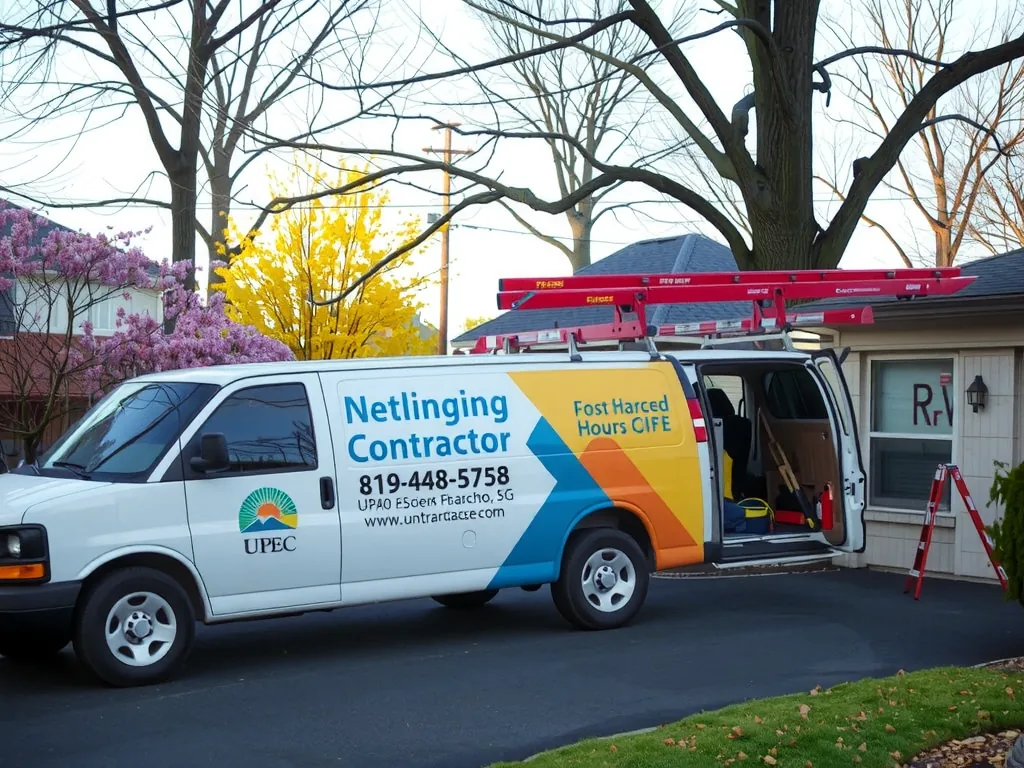
By May 15, the average general contractor in the United States is booked 3–4 weeks out. By June, that stretches to 6–8 weeks in high-demand metros. If you’re planning a spring project — a deck build, bathroom remodel, fence installation, or exterior painting — and you haven’t reached out to contractors yet, your window is closing fast.
On AllBetter
Need a local pro?
Post the job free and compare bids from identity-verified local pros — payment held in escrow until the work is done right.
Find a verified pro near you →Related: fence repair near you, priced from photos
This isn’t a sales pitch. It’s math. Every spring, the same pattern plays out: homeowners wait until the weather is perfect to start calling, and by then, the best contractors are already committed through July. Here’s how the spring booking cycle actually works, what it means for pricing, and how to secure a good contractor before demand peaks.
April: 2–3 weeks
May: 3–4 weeks
June+: 6–8 weeks
The spring contractor crunch happens every year because residential construction and home improvement follow a predictable seasonal cycle. Winter suppresses demand (cold weather, holidays, shorter days), and spring releases it all at once. Contractors who had open calendars in February are fully committed by late April. The pattern is consistent across every trade — HVAC, plumbing, electrical, carpentry, painting, and landscaping.
A Real $4,800 Lesson in Waiting
Skipping the DIY route? You can post the job on AllBetter and have ID-verified pros bidding in about 10 minutes — no spam calls, payment held in escrow until you approve the work.
The Spring Booking Timeline (What Actually Happens)
Contractors are finishing winter slowdown and actively filling spring calendars. Wait times: 1–2 weeks. Pricing is standard — no demand surcharges. You have the most leverage to negotiate scope and timing. The best contractors are still accepting new clients.
Demand accelerates as weather improves. Wait times: 2–3 weeks for most trades. Top-rated contractors start declining new projects or quoting premium rates for rush timelines. You can still find good contractors, but your options narrow each week. This is the last month for standard pricing on most spring projects.
Most reputable contractors are booked 3–4 weeks out. The only ones with immediate availability are either new, overpriced, or have capacity issues. Quotes come in 15–30% higher than March pricing because contractors can charge peak rates. You’re competing with every other homeowner who waited.
Good contractors are booked 6–8 weeks out. Emergency and rush projects carry 25–50% surcharges. Quality drops as overworked crews rush between projects. You’re no longer choosing a contractor — you’re taking whoever is available.
How to Lock In a Good Contractor Right Now
On AllBetter
Ready to get it done?
Fund escrow before work starts. Release payment when you approve the finished work.
Find a verified pro near you →Request bids from at least 3 contractors now. The comparison protects you from overpaying, and the act of reaching out puts you in their queue. Use contractor-finding apps to streamline the process — post once, get multiple bids.
Tell the contractor you’re flexible on timing. They often have 2–3 day gaps between larger projects that they’d love to fill. Being flexible can get you a better rate AND faster start than demanding a specific date.
Contractors prioritize clients who know what they want. Have measurements, photos, material preferences, and a budget range ready before you request quotes. Vague “I want to redo my bathroom” requests go to the bottom of the pile. Learn how to choose the right contractor so you’re prepared for the conversation.
Escrow-protected payments hold funds until work is complete. This protects you from incomplete work and assures the contractor they’ll be paid promptly. It eliminates the trust gap that slows down new contractor relationships.
For Contractors: How to Maximize the Spring Rush
If you’re a contractor reading this, the spring booking cycle is your biggest revenue opportunity of the year. Here’s how the most successful pros handle it:
- Start marketing in February. The homeowners who book in March are the best clients — organized, decisive, and willing to pay standard rates. Reach them before they start searching.
- Quote fast. In April, the contractor who sends a quote within 24 hours wins the project. A 5-day turnaround on a quote loses to someone who responds the same day.
- Fill gaps proactively. Smaller projects (fence repairs, deck staining, fixture swaps) fill the 2–3 day gaps between larger projects. These quick-turn tasks generate revenue that would otherwise be dead time.
- Use a platform. Listing on AllBetter puts you in front of homeowners who are ready to book — no fee to bid, a small fee only when you win and the invoice is paid, and escrow protects your payment.
Post your project on AllBetter and compare 3+ quotes from identity-verified pros. Free to post for homeowners. only pay when you win for contractors.
Cut acquisition cost to zero — keep that margin
| Feature | Angi / Thumbtack / HomeAdvisor | AllBetter |
|---|---|---|
| Pro Identity Verified | Self-attested, no verification | Stripe Identity verification on every pro |
| Lead Fees to Pros | $15–$80 per lead (passed back to homeowner) | only pay when you win |
| Payment Protection | None — you pay direct, hope for the best | Escrow Shield — you only release payment when work is approved |
| Pro Quality Filter | Anyone can sign up; reviews come later | ID-verified pros, average 3+ bids per job |
| Spam & Auto-Calls | Your phone rings for days after one inquiry | Zero spam — pros message in-platform |
Lead-fee context: average lead-gen spend at small contractors runs 8-15% of revenue — AllBetter is $0.
Trying to scale on rented platforms with $50-$110 lead fees means revenue grows but margin stays flat — you’re feeding the platform, not the business. The safer move is to see AllBetter business software — you get ID-verified bids in minutes, no obligation.
Your money sits in escrow and is released only when you approve the work.
Frequently Asked Questions
When should I start looking for a contractor for a spring project?
Start in February or early March for the best availability and pricing. By mid-April, most reputable contractors are booked 2–3 weeks out. By May, wait times stretch to 3–4 weeks with 15–30% higher quotes.
Why are contractor quotes higher in summer?
Supply and demand. When every homeowner calls at once (May–August), contractors can charge premium rates because they have more work than they can handle. March and April quotes reflect standard pricing because contractors are still filling their calendars.
How many contractor bids should I get?
Get at least 3 bids for any project over $1,000. This gives you a real market price, reveals outliers (too high or suspiciously low), and creates healthy competition. On AllBetter, you can post once and receive multiple bids from verified pros.
What if I can’t find a contractor with availability?
Be flexible on start dates — even a 1–2 week window of flexibility opens up options. Consider breaking large projects into phases. Look at smaller or newer contractors who are building their reputation. And check platforms like AllBetter where pros actively look for new projects.
How do I know if a contractor is trustworthy?
Verify general liability insurance, check Google and Yelp reviews (not just their website), ask for 2–3 recent references, confirm they pull permits when required, and use escrow-protected payments. Never pay 100% upfront.
Do contractors charge more for rush projects?
Most do. Rush surcharges of 15–50% are common during peak season (May–August). The surcharge compensates for rearranging existing schedules, working overtime, or turning down other clients. Booking in March or early April avoids rush pricing entirely.
What spring projects have the shortest wait times?
Painting, cleaning, landscaping, and general handyman work typically have shorter booking windows (1–2 weeks) because these trades have more available workers. HVAC, plumbing, electrical, and major renovations book out faster and longer because they require licensed specialists.
According to IBISWorld — Industry Reports, IBISWorld: small-trade contractors who consolidate dispatch + invoicing on one platform consistently outperform manual operators on net margin.
More AllBetter resources:
Related Reading: