
How Much Does Epoxy Garage Flooring Cost?
Epoxy flooring costs $3 to $12 per square foot professionally installed in 2026, which puts the typical 2-car garage — the job most people are actually pricing — at $1,700 to $3,500, with a national average of $2,370. The coating system you choose (solid color, flake, or metallic) moves the number more than any other factor.
On AllBetter
Need a handyman?
Post the job free and compare bids from identity-verified local pros — payment held in escrow until the work is done right.
Find a handyman near you →A useful thing to know before reading any quote: epoxy flooring installation cost is mostly labor and surface prep, not resin. Grinding, crack repair, and application typically eat 60 percent or more of the invoice, which is why a quote far below the ranges here usually means the prep is being skipped — the one corner that guarantees the coating fails early.
| Space | Square feet | Typical installed cost (2026) |
|---|---|---|
| 1-car garage | 200 – 300 | $1,200 – $2,800 |
| 2-car garage | 400 – 500 | $1,700 – $3,500 |
| 3-car garage | 600 – 800 | $2,500 – $6,500 |
| Basement | 500 – 1,000 | $2,500 – $8,000 |
Professional installation including diamond-grinding prep, standard flake or solid-color systems. Sources: 2026 national project-cost surveys (average $2,370; typical range $1,703–$3,280) and 2026 epoxy contractor pricing guides.
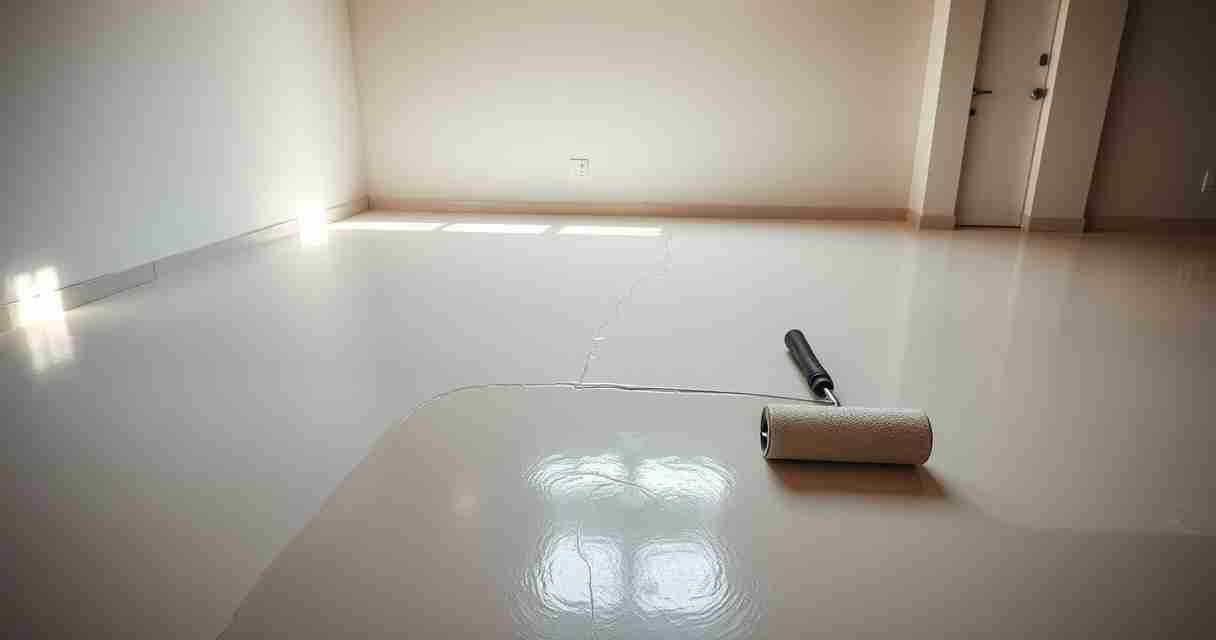
Epoxy Flooring Cost per Square Foot: Solid vs. Flake vs. Metallic
Per-square-foot pricing is the only honest way to compare quotes, because it strips out garage size and lets you see what system you are actually being sold.
Solid-color epoxy: $3 – $5 per square foot
A single pigmented coat over primed, ground concrete. It is the entry point for a professionally installed floor and a solid pick for utility garages and workshops where protection matters more than looks. Expect a 5-to-10-year life before a recoat.
Flake epoxy: $4 – $7 per square foot
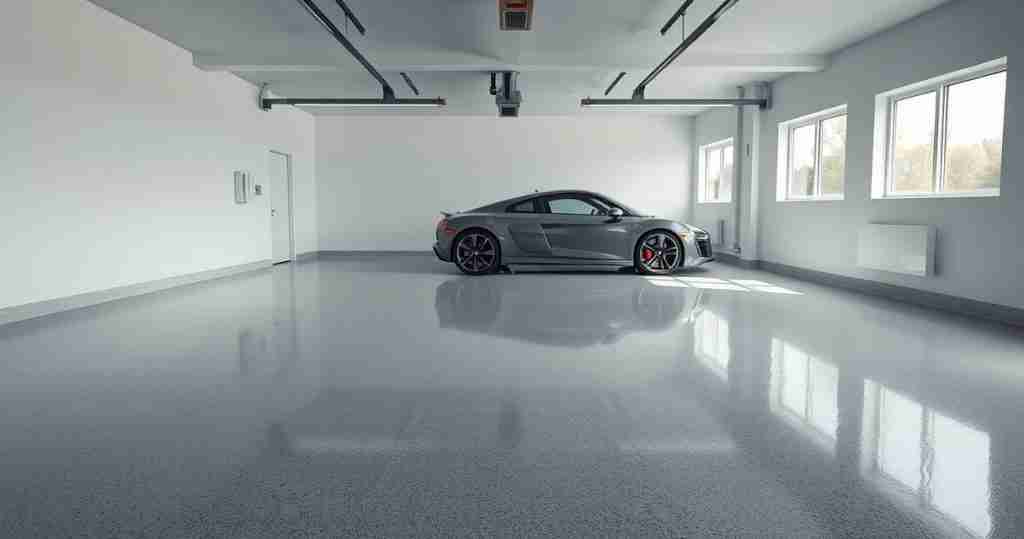
The bread and butter of residential garage work: vinyl chips broadcast into the wet base coat under a clear topcoat, hiding concrete imperfections and adding slip resistance. Full-broadcast coverage costs $1 to $2 more per square foot than a light scatter and looks dramatically better. A 2-car garage in flake typically lands at $1,800 to $3,200 and lasts 10 to 15 years.
Metallic epoxy: $7 – $12 per square foot
Metallic pigments manipulated in clear resin for a marbled, one-of-a-kind finish — the premium tier, occasionally reaching $15 for intricate multi-color work. The material only costs a couple of dollars more than flake; the rest of the gap is skilled-labor time during a tight working window. Quartz broadcast ($6 to $10) sits between flake and metallic and is the high-traffic workhorse.
Two sizing effects are worth knowing before you compare bids. Small jobs price high per foot: on a 1-car garage, contractors fold mobilization, equipment setup, and travel into a couple hundred square feet, which is why the per-square-foot rate for a single bay often looks worse than your neighbor’s 3-car quote. Large jobs price low: floors past 500 square feet start earning volume pricing, and commercial spaces over 1,000 square feet commonly land at $4 to $12 per square foot even for heavy-duty systems.
Epoxy vs. Tile, Paint, and Polished Concrete
On AllBetter
Ready to get it done?
Fund escrow before work starts. Release payment when you approve the finished work.
Find a handyman near you →Epoxy sits in the middle of the garage-and-basement flooring market, and the alternatives frame what you are paying for. Garage floor paint — the one-part product sold next to the epoxy kits — costs less than a true two-part kit but cures to a thin film that typically peels within a year or two under car tires; it is the option epoxy exists to replace. Polished concrete runs about $4 to $10 per square foot and lasts decades, but offers no chemical membrane over the slab, so oil and road salt reach the concrete. Luxury vinyl plank at roughly $6 to $12 per square foot competes for basements but not garages, where point loads and hot tires rule it out. Against that field, a $4-to-$7 flake floor is the price-per-year favorite for garages: sealed, slip-resistant, and replaceable ten years or more from now for the same order of money.
DIY Epoxy Kit vs. Professional Installation
The box-store route is real and cheap: Rust-Oleum’s EpoxyShield garage floor kit — the best-known consumer kit, sized for roughly a 2- to 2.5-car garage — retailed for about $117 to $179 at big-box retailers in July 2026, and Quikrete’s two-part epoxy garage floor coating plays in the same league. By the time you add etching solution, a moisture test, tools, and grinder rental for proper prep, a careful DIY job runs $1.50 to $3 per square foot all-in — still roughly half the cheapest professional quote.
The trade-off is thickness and prep. Consumer kits cure to a film of a few mils over acid-etched concrete; professional systems go on 12 to 20+ mils over diamond-ground concrete. That difference is why DIY coatings commonly last 1 to 5 years — hot-tire pickup is the classic failure — while professional installs run 10 to 20. Here is the ten-year math for a 2-car garage:
What Drives Epoxy Flooring Installation Cost Up
Watch: the same flooring quoted at $4,000 and $8,000 — the catch (46 seconds).
Three variables explain most of the spread between quotes on the same garage. First, slab condition: cracks, spalling, oil stains, and old coatings all add grinding and patching hours, and deep repairs mean buying ready-mix — our concrete cost per yard guide covers that line item. If the slab is genuinely failing, coating it is throwing money away; price a replacement first with the concrete slab cost guide. Second, moisture: below-grade floors and slabs without vapor barriers need moisture testing and sometimes a mitigation primer, which is why basements price above garages of the same size. Third, region: high-cost metros run 15 to 25 percent above the national average. As with house painting costs, the invoice is mostly skilled labor and prep — so quotes fall when contractors compete and when the job is easy to start.
Watch for the add-ons that turn a clean per-square-foot rate into a bigger invoice: crack and spall repair billed by the hour or patch, moisture mitigation primers below grade, cove base along walls in basements, and anti-slip additive in the topcoat. None of these are padding — they are usually the difference between a floor that lasts and one that peels — but each should appear as its own line so you can compare bids honestly.
How to Save on an Epoxy Floor
- Pick flake in a standard color blend. Custom chips and metallics carry the premium; standard high-volume blends do not.
- Empty and sweep the garage yourself. Crews charge to move workbenches and fridges. (If you would rather hire out the scrub-down afterward, see typical house cleaning costs.)
- Bundle square footage. Garage plus basement in one mobilization is cheaper per foot than two separate jobs — and if the crew is already there, it is a natural time to price other garage fixes like a garage door repair.
- Schedule off-season. Late fall and winter are slow for coating crews, and pricing gets more competitive.
- Get three itemized quotes. Make each one specify prep method (grinding, not just etching), mil thickness, and topcoat. A quote under $3 per square foot has no room for real prep.
Where these numbers come from: Installed ranges are 2026 national prices compiled from national contractor project-cost data (average garage epoxy project $2,370; typical range $1,703–$3,280) and 2026 epoxy contractor pricing guides, which put professional installation at $3–$12 per square foot (solid $3–$5, flake $4–$7, quartz $6–$10, metallic $7–$12, with some markets quoting metallic to $15). DIY kit pricing is from July 2026 retailer listings (Home Depot, Lowe’s, Walmart) for the Rust-Oleum EpoxyShield garage floor kit ($117–$179) and comparable products such as Quikrete’s epoxy garage floor coating. Where sources disagreed we kept the overlapping, conservative range. Your local bids are the real number — these ranges tell you whether a bid is inside the fairway.
Epoxy Flooring Cost FAQ
How long does an epoxy garage floor last?
Professionally installed: about 5 to 10 years for solid color, 10 to 15 for flake systems, and 10 to 20 for metallic and quartz — assuming diamond-ground prep. DIY kits typically last 1 to 5 years, with hot-tire pickup the usual first failure.
How long does epoxy take to cure before you can park on it?
Plan on 12 to 24 hours before foot traffic and 3 to 7 days before parking a vehicle, depending on product and temperature — cool garages cure slower. Polyaspartic topcoats shorten the wait, often to 24 to 48 hours for vehicles.
Can you epoxy a basement floor?
Yes, and it is a popular flake-system application: typical basements of 500 to 1,000 square feet run $2,500 to $8,000 installed. The non-negotiable step below grade is a moisture test — coating a damp slab without mitigation is the most common cause of peeling basement epoxy.
Is a DIY epoxy kit worth it?
For a low-traffic garage on a tight budget, yes: a $117 to $179 kit plus prep supplies beats bare concrete. But budget honestly — with etching, tools, and rental gear a careful DIY job costs $1.50 to $3 per square foot and lasts a fraction as long as a professional install, so recoating every few years erases the savings by around year six.