

the window that determines damage severity
avg. water damage claim from delayed response
to shut off water and prevent catastrophe
The Federal Emergency Management Agency (FEMA) reports that 60% of American adults have not practiced what to do in a disaster, and only 39% have developed a household emergency plan. Home emergencies — burst pipes, power outages, gas leaks, HVAC failures, kitchen fires, and storm damage — happen without warning. The difference between a $500 incident and a $15,000 disaster is almost always how quickly and correctly the household responds in the first five minutes.
On AllBetter
Need a local pro?
Post the job free and compare bids from identity-verified local pros — payment held in escrow until the work is done right.
Find a verified pro near you →Check your inbox for a confirmation email.
What should homeowners do during a home emergency? The immediate priorities are: stop the damage source (shut off water, gas, or electricity), protect people and pets (evacuate if there is fire or gas), contain the damage (towels, buckets, turning off affected systems), and then call the right professional. Having a pre-built emergency response plan and vendor list eliminates the panic decisions that turn manageable incidents into catastrophic losses.

Water Emergencies: Burst Pipes, Leaks, and Flooding
Skipping the DIY route? You can post the job on AllBetter and have ID-verified pros bidding in about 10 minutes — no spam calls, payment held in escrow until you approve the work.
Water damage is the most common and most expensive type of home emergency. The Insurance Information Institute reports that the average water damage insurance claim exceeds $12,000. A burst supply line can dump 400 to 600 gallons per hour into your home, and every minute of delay compounds the damage — soaked drywall, warped flooring, and mold growth that starts within 48 hours.
Immediate Response (First 5 Minutes)
- Shut off the water main — locate the main shutoff valve (typically in the basement, garage, crawl space, or near the street-side meter) and turn it clockwise until it stops. Every adult in the household should know this location before an emergency occurs
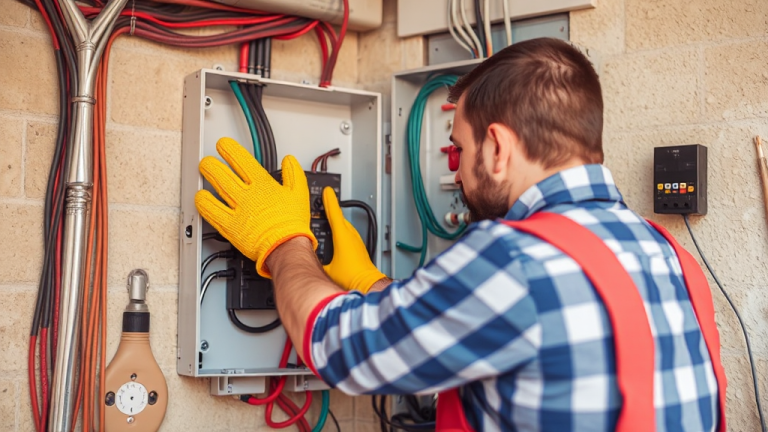
- Turn off electricity in affected areas — if water is near electrical outlets, switches, or appliances, shut off the corresponding breakers at the panel. Do not walk through standing water to reach the panel
- Contain the water — use towels, buckets, and a wet/dry vacuum to remove standing water. Move electronics and valuables away from the water path
- Document the damage — photograph everything before cleaning up for insurance documentation
When to Call a Professional
Call a licensed plumber for any pipe failure, valve replacement, or leak you cannot trace to a visible source. For water that has been standing for more than 24 hours or has reached wall cavities, call a water damage restoration company — mold remediation costs increase exponentially with delay.
Gas Leaks: The Emergency Where You Do Nothing Inside
Natural gas and propane leaks are the one home emergency where the correct response is immediate evacuation — not investigation. Gas accumulates in enclosed spaces and can ignite from a single electrical spark, including the spark from flipping a light switch or pressing a phone button.
A homeowner who shuts off the water main within 2 minutes of a burst pipe averages $1,200 in damage. One who waits 45+ minutes averages $18,000 — the first five minutes define the outcome.
Immediate Response
- Do not turn any lights or appliances on or off
- Do not use your phone inside the house
- Open doors and windows only if immediately accessible on your way out
- Evacuate all people and pets immediately
- Call 911 or your gas company from outside, at least 100 feet away
Never attempt to locate or repair a gas leak yourself. Gas line work requires specialized equipment, training, and licensing. The only homeowner action that matters is evacuation speed.
Power Outages: Preparation Beats Reaction
The U.S. Energy Information Administration reports that the average American household experienced over 7 hours of power interruption in 2023, with severe weather events causing outages lasting days in some regions. Power outages become emergencies when they affect heating during winter, cooling during extreme heat, or medical equipment that requires electricity.
Before a Power Outage (Preparation)
- Maintain a 72-hour emergency kit: flashlights, batteries, battery-powered radio, non-perishable food, one gallon of water per person per day, manual can opener, first aid supplies, and essential medications
- Keep phone chargers and portable battery packs fully charged during storm season
- If you have a generator, test it monthly and store fuel safely. Never operate a generator indoors or in an attached garage — carbon monoxide is lethal in enclosed spaces
- Know which circuits power critical systems (refrigerator, sump pump, medical equipment) and label them at the breaker panel
During a Power Outage
- Unplug sensitive electronics (computers, TVs, gaming systems) to prevent damage from power surges when electricity is restored
- Keep refrigerator and freezer doors closed — a full freezer maintains temperature for 48 hours, a half-full freezer for 24 hours
- In winter, move the household to a single room and close doors to concentrate body heat. Use blankets and layers rather than open flames for warmth
- Check on elderly neighbors who may depend on electric heating or medical equipment
HVAC Failures: When Heating or Cooling Stops Working
On AllBetter
Ready to get it done?
Fund escrow before work starts. Release payment when you approve the finished work.
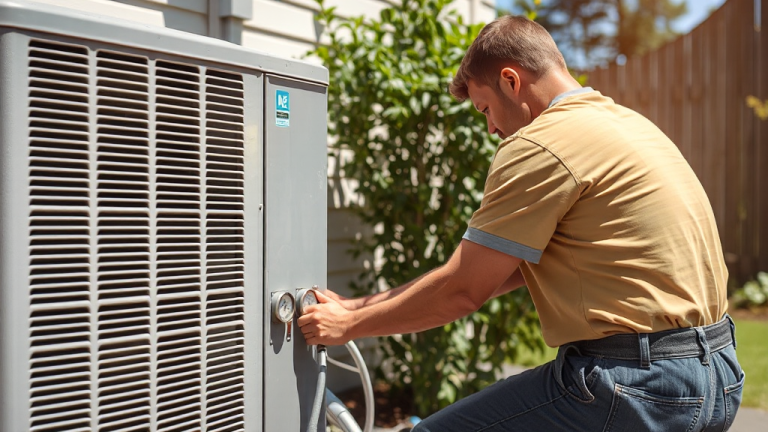
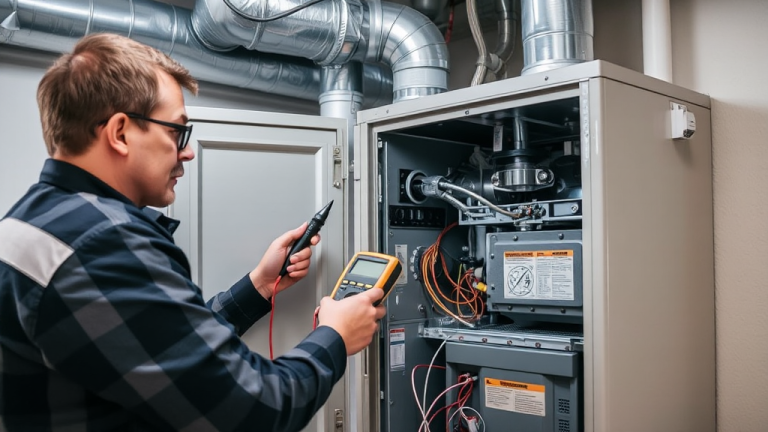
Find a verified pro near you →HVAC failures become emergencies during temperature extremes. A heating failure below 32°F risks frozen pipes (adding water damage to the HVAC problem). A cooling failure above 95°F creates heat stroke risk, especially for elderly household members and pets.
Immediate Troubleshooting
- Check the thermostat — verify it is set to the correct mode (heat or cool) and the set temperature is appropriate. Replace batteries if the display is blank
- Check the air filter — a severely clogged filter can cause the system to shut down. Replace it and restart the system
- Check the breaker — the HVAC system may have its own breaker. If it tripped, reset it once. If it trips again immediately, do not reset — call an HVAC technician
- Check the outdoor unit — clear any ice, snow, or debris blocking the condenser
Emergency Measures While Waiting for Repair
In winter: close off unused rooms, hang blankets over windows for insulation, and run water at a thin trickle in pipes along exterior walls to prevent freezing. In summer: close blinds on sun-facing windows, use fans to circulate air, and move to the lowest level of the home (cool air sinks).

Kitchen Fires: Grease Fires and Oven Emergencies
The National Fire Protection Association reports that cooking is the leading cause of home fires, accounting for 49% of all residential fires. Grease fires and oven fires require specific responses — the wrong reaction (throwing water on a grease fire) can cause an explosion that spreads the fire throughout the kitchen.
Grease Fire Response
- Never use water — water hitting hot oil causes a steam explosion that spreads burning grease
- Cover the pan — place a metal lid or baking sheet over the burning pan to cut off oxygen. Do not use glass lids (they can shatter from heat)
- Turn off the burner — remove the heat source once the pan is covered
- Use baking soda for small flames — pour baking soda (never flour or baking powder) over small grease fires. Keep a box within reach of your cooking area
- Do not move the pan — carrying a burning pan risks spilling hot oil and spreading the fire
Oven Smoke Response
Turn off the oven immediately. Open windows and turn on the exhaust fan. Once cool, inspect for food spills or grease buildup at the bottom. Regular oven cleaning prevents most smoking incidents. If smoking continues from an apparently clean oven or you see sparks, unplug the oven (if electric) and call an appliance repair technician.
Storm Damage and Broken Windows
Severe weather can break windows, damage roofing, and down trees onto structures. The immediate priorities are safety and damage containment.
Broken Window Response
- Wear heavy gloves and closed-toe shoes before approaching broken glass
- Carefully remove large glass pieces and place them in a thick trash bag or cardboard box
- Sweep and vacuum the area thoroughly — glass shards travel farther than expected
- Cover the opening with heavy-duty plastic sheeting secured with duct tape as a temporary weather barrier
- Contact a glass repair service for permanent replacement. Most glass companies offer same-day or next-day emergency service
For roof damage visible after a storm, do not climb onto the roof. Photograph damage from the ground and contact your insurance company and a roofing professional for assessment.
Building Your Emergency Response Plan
An emergency response plan takes one hour to create and can save your family thousands of dollars and prevent injuries during a crisis.
Step 1: Map Your Shutoffs
Locate and tag the main water shutoff, gas shutoff (if applicable), and electrical panel. Ensure every adult and teenager in the household can operate each one in the dark.
Step 2: Build Your Vendor List
Before an emergency occurs, identify and save contact information for:
- Licensed plumber — for water emergencies
- Licensed electrician — for electrical faults
- HVAC technician — for heating and cooling failures
- Handyman — for general emergency repairs
- Water damage restoration company — for flooding events
- Glass repair service — for broken windows
Platforms like AllBetter let you post emergency repair needs, compare quotes from verified local professionals, and pay through escrow — giving you options even during urgent situations. Building these connections before an emergency eliminates panic-driven decisions that typically cost 50% to 100% more than planned service calls.
Step 3: Assemble Your Emergency Kit
Store a 72-hour emergency kit in an accessible location with: flashlights and extra batteries, battery-powered radio, first aid supplies, three days of water (one gallon per person per day), non-perishable food, manual can opener, essential medications, copies of important documents in a waterproof container, and cash in small bills.
Step 4: Practice With Your Family
Walk through each emergency scenario once per year. Show every household member where the water main, gas shutoff, and breaker panel are located. Practice the evacuation route for fire and gas emergencies. Review the vendor contact list so everyone knows who to call for each type of emergency.
Keeping your home’s systems in good condition through a regular maintenance routine prevents many emergencies from occurring in the first place. And knowing the essential maintenance skills every homeowner needs bridges the gap between recognizing a problem and responding effectively.
Ready to protect your home investment?
AllBetter connects homeowners with verified, identity-verified pros — with escrow payment protection built in. AllBetter is a newer platform with a smaller but growing marketplace, offering only pay when you win for contractors.
Have an ID-verified plumber + handyman lined up — before the emergency
| Feature | Angi / Thumbtack / HomeAdvisor | AllBetter |
|---|---|---|
| Pro Identity Verified | Self-attested, no verification | Stripe Identity verification on every pro |
| Lead Fees to Pros | $15–$80 per lead (passed back to homeowner) | only pay when you win — ever |
| Payment Protection | None — you pay direct, hope for the best | Escrow Shield — you only release payment when work is approved |
| Pro Quality Filter | Anyone can sign up; reviews come later | ID-verified pros, average 3+ bids per job |
| Spam & Auto-Calls | Your phone rings for days after one inquiry | Zero spam — pros message in-platform |
Lead-fee context for this job type: emergency-call lead fees on traditional platforms run $80-$150 each — passed to you on your worst day.
Calling a ‘top of search results’ contractor in a panic at 2am is exactly when you’ll get the worst pricing and the least-checked pro — building the relationship in calm time is the prevention. The safer move is to find an ID-verified plumber on AllBetter — you get ID-verified bids in minutes, no obligation.
Your money sits in escrow and is released only when you approve the work.
Frequently Asked Questions
What is the most important thing to do during a home emergency?
Stop the damage source immediately. For water emergencies, shut off the main water valve. For gas leaks, evacuate without touching any switches. For electrical emergencies, shut off the breaker. For fire, evacuate and call 911. The first 60 seconds of response determine whether an emergency costs hundreds or thousands of dollars.
Should every homeowner have a generator?
A generator is worth the investment if your home relies on a sump pump, if household members use medical equipment requiring electricity, or if your area experiences frequent extended outages. Portable generators cost $300 to $1,000. Never operate a generator indoors — carbon monoxide poisoning kills approximately 70 people per year from indoor generator use.
How do I know if a water leak is an emergency?
Any actively flowing water that you cannot stop by closing a fixture valve is an emergency requiring the main water shutoff. A slow drip under a sink is urgent but not an emergency — place a bucket underneath and schedule a plumber within 24 to 48 hours. Water flowing from a wall, ceiling, or floor is always an emergency because it indicates a pipe failure inside the building structure.
What should I do if my HVAC fails in extreme cold?
First attempt basic troubleshooting (thermostat, filter, breaker). If the system cannot be restarted, close off unused rooms, cover windows with blankets for insulation, and run faucets at a thin trickle on exterior walls to prevent pipe freezing. Call an HVAC technician immediately — many offer emergency service for heating failures during extreme cold. If the indoor temperature drops below 50°F and repair is not imminent, consider temporary relocation to prevent frozen pipe damage.
How often should I review my emergency preparedness plan?
Review your plan annually at the start of your region’s severe weather season. Verify that kit supplies are not expired, contact numbers are current, and every household member can locate and operate the water, gas, and electrical shutoffs.
Does homeowner insurance cover home emergencies?
Most standard policies cover sudden events like burst pipes, storm damage, and fire. They typically do not cover gradual damage from deferred maintenance, external flooding (requires separate flood insurance), or sewer backups (requires a separate rider). Review your policy annually with your insurance agent to identify coverage gaps before you need to file a claim.
According to Insurance Information Institute — Homeowners Claims by Cause, Insurance Information Institute: water damage + freezing is the #2 most common homeowners insurance claim — preparation and an ID-verified plumber on standby is the prevention.
More AllBetter resources you may find useful: