
The short version: Most small household mold spots can be cleaned with detergent and water or distilled white vinegar; bleach is not needed for routine cleanup and does not reach mold inside porous materials. Spray, wait 30 minutes, scrub, dry. Mold returning within weeks means the moisture source isn’t fixed or the mold has grown into a porous surface that needs replacement. Anything over 10 square feet, anything behind drywall, anything causing breathing symptoms — book a pro. Verified house cleaners on AllBetter handle mold deep-cleans with upfront bids and money in escrow until you tap Approve.
On AllBetter
Need a house cleaner?
Post the job free and compare bids from identity-verified local pros — payment held in escrow until the work is done right.
Find a house cleaner near you →Mold is the most-Googled household problem because it’s the most-misdiagnosed. Bleach myths, scare-marketing about “toxic black mold,” and contractors quoting $5,000+ for jobs that should cost $300 leave homeowners confused about what to actually do. This guide cuts through both directions: when DIY removal is the right call and when calling a pro saves money.
The single highest-frequency mold problem in U.S. homes is black streaks on shower caulking. That gets a full section below. For broader mold in bathrooms, basements, kitchens, and HVAC systems, the diagnosis-and-treatment ladder is the same.
What kills mold the fastest at home: Distilled white vinegar (5% acetic acid), undiluted. Spray on the affected surface, let sit 30 minutes, scrub with a stiff brush, rinse, dry completely. Vinegar is a common household option for small surface spots; the EPA’s baseline is detergent and water, and bleach does not reach mold inside porous materials. For anything over 10 square feet, inside walls, or that keeps coming back, book professional mold remediation, not a cleaner.
When DIY Mold Removal Makes Sense — And When It Doesn’t
Skipping the DIY route? You can post the job on AllBetter and have ID-verified pros bidding in about 10 minutes — no spam calls, payment held in escrow until you approve the work.
Booking a mold-cleanup cleaner? See our best cleaning apps 2026 comparison for the platforms with competing bids and identity-verified cleaners.
Mold and drain biofilm are related problems. See our guide on shower drain smell fixes for the drain-side diagnostic.
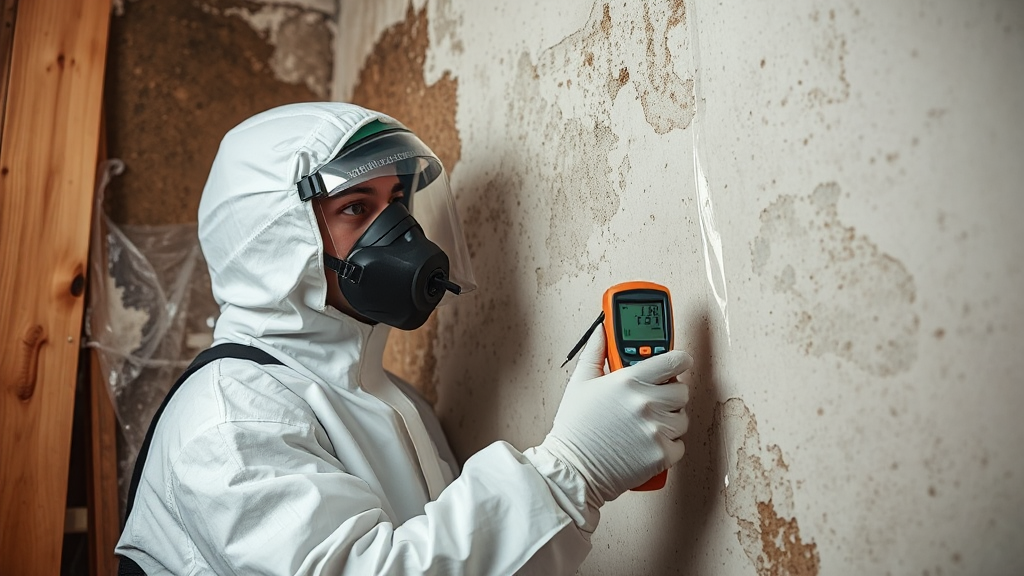
The EPA’s mold cleanup guidance draws a clear line at 10 square feet. Below that, the EPA says most homeowners can handle cleanup themselves with detergent and water, gloves, an N95 mask, and ventilation; vinegar is a common household alternative. Above 10 square feet, or anywhere mold has penetrated drywall or insulation, professional remediation is the correct call.
Other DIY-vs-pro signals:
- DIY if: Surface mold on tile, glass, plastic, sealed wood, or shower caulking. The affected area is contained. You can identify the moisture source. Nobody in the home has asthma, severe allergies, or immune-system issues.
- Book a pro if: Mold behind drywall (soft spots, water stains, sagging). Anything HVAC-system related. Recurring mold after multiple cleanings. Anyone in the home has breathing symptoms or has been diagnosed with mold allergies. The affected surface is porous wood or unsealed concrete.
If you’re not sure which side of the line you’re on, the diagnostic visit alone is $120–$220 from an ID-verified house cleaner for a cleaning-only spot treatment; mold behind walls or over 10 square feet is a remediation job — cheaper than a wrong DIY attempt that spreads spores. Find an ID-verified cleaner on AllBetter with competing bids and escrow protection upfront.
Black Mold on Shower Caulking — The Most Common Bathroom Mold
Shower caulking is mold’s favorite surface in your home. The silicone or latex bead between tile and tub stays damp, traps soap residue, and hides in the seam — three conditions mold needs to colonize within 24–48 hours of every hot shower.
If you see black streaks on your shower caulking, the culprit is almost always Cladosporium or Aureobasidium — two common indoor mold species. They look identical to “toxic black mold” (Stachybotrys chartarum) but rarely are. Both produce allergens that can trigger sinus, eye, and throat irritation in sensitive household members per the EPA’s mold and health page.
How to Remove Mold from Shower Caulking — Step by Step
You’ll need: household gloves, an N95 mask, distilled white vinegar OR 3% hydrogen peroxide (never both — they neutralize each other), an old toothbrush, microfiber cloths, ventilation.
- Ventilate first. Open a window or run the exhaust fan for 10 minutes before you start. Keep it running the whole time.
- Soak the caulking. Saturate a paper towel with undiluted distilled white vinegar. Lay it directly over the moldy caulking. Let it sit 30 minutes.
- Scrub gently. Use an old toothbrush in short back-and-forth strokes. Don’t gouge the caulking — if the bead lifts off the tile, the seal is compromised and you’ll need to re-caulk.
- Rinse and dry. Wipe with damp microfiber, then dry microfiber. Run the bath fan 20 more minutes.
- Prevent regrowth. After every shower, run the bath fan 20+ minutes and squeegee water off tile and caulking. Mold can’t grow on dry surfaces.
When Cleaning Won’t Cut It — Time to Re-Caulk
Mold lives inside the porous caulking, not just on top. If any of these apply, cleaning is temporary — you need new caulking:
- Mold returns within 2–3 weeks of every cleaning
- Black streaks visible through the caulking from the side (it’s grown into the bead)
- Caulking is cracked, lifting off the tile, or peeling
- Caulking is older than 5 years
Re-caulking a standard shower runs $150–$300 for a handyman (1–2 hours labor plus materials), or $80–$120 in DIY supplies if you’re comfortable with a caulk gun. The trick is removing the old caulk completely — any residue prevents the new bead from sealing and mold colonizes the gap within weeks. Verified handymen on AllBetter handle shower re-caulking with upfront quotes and Stripe Identity-verified pros.
Bleach vs. Vinegar vs. Hydrogen Peroxide — What Actually Works
| Cleaner | Effective on caulking? | Why |
|---|---|---|
| Distilled white vinegar (5%) | ✓ Best for porous surfaces | Penetrates silicone; common household option for surface mold |
| 3% hydrogen peroxide | ✓ Strong oxidizer | Bleaches dark stains but evaporates faster than vinegar |
| Chlorine bleach | ✗ Bleaches color, not mold | Not effective on porous surfaces; it whitens the surface while mold keeps growing underneath |
| Commercial mold sprays | Varies | Many contain bleach; check label for an EPA registration number |
Safety: Never mix bleach with vinegar, ammonia, or hydrogen peroxide. The reactions release chlorine gas — dangerous in a small enclosed bathroom.
Mold on Other Bathroom and Home Surfaces
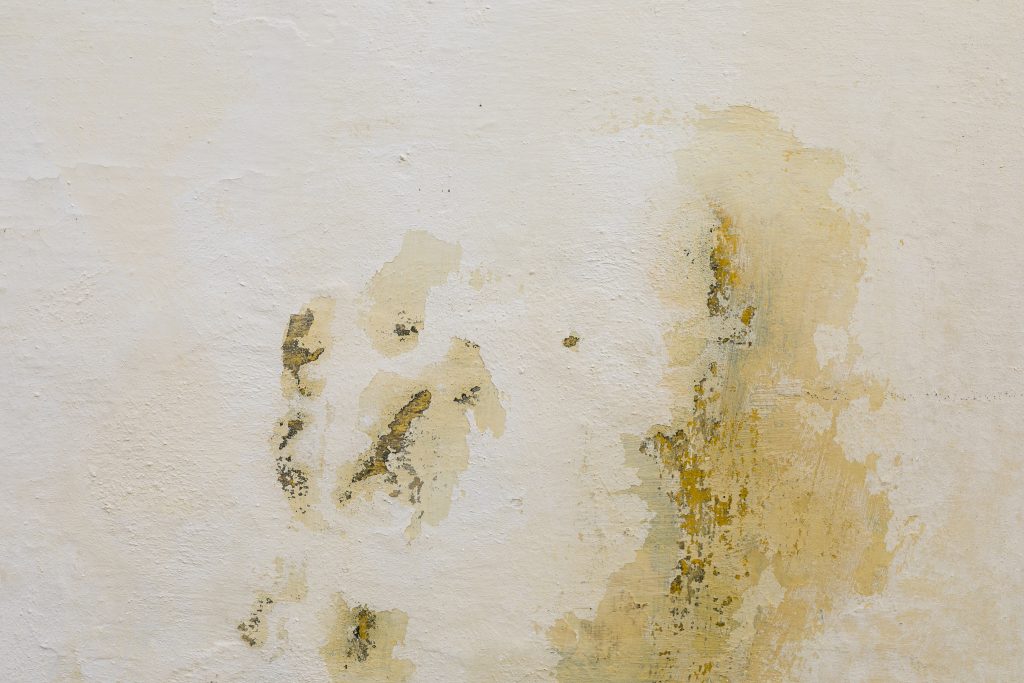
Beyond caulking, the five most common mold locations:
- Tile grout. Same vinegar treatment as caulking. Use a grout brush instead of a toothbrush. If the grout has crumbled or is permanently stained, re-grouting runs $5–$10 per square foot through a handyman.
- Bathroom ceiling. Cladosporium colonies form pinpoint black spots from steam condensation. Wipe with vinegar on a microfiber attached to a long pole. If the ceiling drywall feels soft, there’s leak damage above and you need a pro inspection — not just a clean (here is what a mold inspection costs).
- Window sills. Condensation in winter pools on metal/vinyl sills. Mold colonies form in the corner seal. Vinegar treatment works; long-term fix is a dehumidifier in cold-climate bathrooms.
- HVAC vents. Visible black ring around supply vents means mold in the ductwork. Surface cleaning treats the symptom; the actual fix is air duct cleaning with mold remediation after a duct inspection. Cost runs $400–$1,400 depending on system size.
- Carpet. Mold in carpet usually starts under it — a spill or slab moisture soaks the pad first. Surface mildew on synthetic carpet responds to professional hot-water extraction (carpet cleaning for mold removal); if the pad is saturated or the musty smell returns after drying, that section of carpet and pad needs replacement, not cleaning.
For any mold that returns within a month of cleaning, the cause is moisture, not surface contamination. Find the leak, the humidity source, or the ventilation gap before another cleaning — otherwise you’re treating a symptom forever.
How Much Does Professional Mold Removal Cost in 2026?
On AllBetter
Ready to get it done?
Fund escrow before work starts. Release payment when you approve the finished work.
Find a house cleaner near you →| Scope | Typical cost | Who does it |
|---|---|---|
| Single-surface mold spot treatment (under 10 sq ft) | $120–$220 | House cleaner with mold-cleaning experience |
| Re-caulk one shower or tub | $150–$300 | Handyman |
| Re-caulk + minor grout/tile repair | $300–$650 | Handyman or tile pro |
| Bathroom deep-clean with mold remediation (10–30 sq ft) | $350–$800 | Professional cleaning service |
| HVAC duct mold remediation | $400–$1,400 | HVAC mold specialist |
| Mold remediation behind drywall (full reconstruction) | $1,800–$5,500+ | Licensed remediation contractor |
For cost context across cleaning services, see our house cleaning cost guide and deep clean cost per square foot. For HVAC pricing, our drain cleaning cost covers related plumbing diagnostics.
Is Black Mold Dangerous?
Watch: why black mold is not a DIY project (44 seconds).
The honest answer: it depends on the species and the household. Per the CDC’s mold FAQ, the mold you’ll find on shower caulking, grout, and bathroom surfaces is almost never Stachybotrys chartarum (“toxic black mold”). Stachybotrys needs constantly-wet drywall or wallboard to colonize, not silicone or tile. Most household black mold is Cladosporium or Aureobasidium — allergens, not acute toxins.
That said, ANY mold can trigger symptoms in sensitive people: stuffy nose, coughing, eye/throat irritation, skin reactions. People with asthma, mold allergies, or compromised immunity should not handle removal themselves. That’s a strong case for booking a pro.
How to Keep Mold From Coming Back
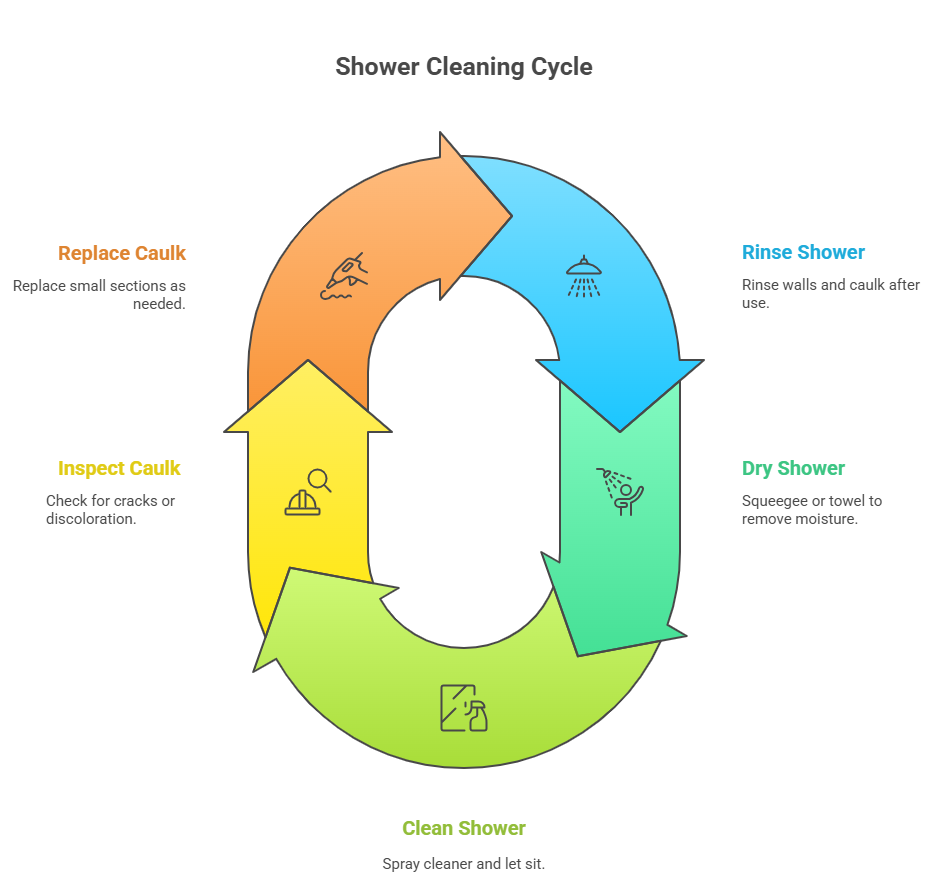
Cleaning mold without fixing the moisture source guarantees regrowth. Five high-leverage prevention moves:
- Run the bathroom fan 20+ minutes after every shower. Or open the window. Humid air leaving the room means mold can’t establish.
- Squeegee shower walls, doors, and caulking after each use. 30 seconds. Cuts mold-friendly moisture by 80%.
- Use a hygrometer. Keep indoor humidity below 60%. Below 50% in bathrooms. A $15 hygrometer tells you when to run a dehumidifier.
- Fix leaks fast. A dripping faucet, a sweating toilet tank, or a cracked grout line feeds mold continuously. Most fixes are $80–$200 through a verified plumber — cheap insurance against $2,000+ remediation later.
- Replace caulking every 5–7 years. Even mold-free caulking ages, cracks, and starts to harbor moisture. Proactive replacement is faster than reactive cleaning.
Frequently Asked Questions
What kills black mold on shower caulking permanently?
No cleaner kills mold permanently on aged caulking where moisture keeps returning. The closest to permanent is to re-caulk with mold-resistant silicone, then run the bath fan 20+ minutes after every shower and squeegee water off tile and caulking. Distilled white vinegar works on small surface spots; for caulking that mold has grown into, only replacement gets you a year-plus mold-free run. Re-caulking costs $150–$300 through a handyman.
Should I use bleach to clean mold off shower caulking?
Bleach is not recommended for porous surfaces like silicone caulking: it whitens the surface while mold keeps growing underneath. Bleach whitens the visible color of the mold while the mold keeps growing inside the porous bead. Distilled white vinegar (or 3% hydrogen peroxide, never combined with vinegar) actually penetrates the caulking. If the caulking is more than 5 years old or mold returns within weeks of cleaning, replacement is the real fix.
How often should I clean shower caulking to prevent mold?
Weekly. A 60-second wipe with vinegar spray after one of your weekly showers prevents mold spores from establishing. Combined with running the bath fan 20+ minutes after every shower and squeegeeing water off tile, you’ll go years before needing to re-caulk — instead of every 18–24 months for homes with no maintenance routine.
Is black mold on shower caulking the same as “toxic black mold”?
Almost never. The black streaks on bathroom caulking are Cladosporium or Aureobasidium — common indoor allergens, not the acutely toxic Stachybotrys chartarum. Stachybotrys requires constantly-wet drywall or wallboard to colonize, not silicone. That said, any mold can trigger respiratory symptoms in sensitive people. If anyone in the home has asthma, mold allergies, or immune issues, book a professional cleaner.
How much does professional mold removal cost in 2026?
For a single-surface spot treatment under 10 square feet, expect $120–$220 from an ID-verified house cleaner (cleaning, not remediation). Re-caulking a shower runs $150–$300 through a handyman. Bathroom-wide deep clean with mold remediation is $350–$800. HVAC duct mold remediation is $400–$1,400. Behind-the-drywall remediation requiring reconstruction starts at $1,800 and runs to $5,500+ for severe cases. All AllBetter verified pros provide competing bids upfront with money held in escrow until the work is approved.
When is mold removal NOT a DIY job?
Five clear signals: (1) affected area larger than 10 square feet per EPA guidance; (2) mold visible on or behind drywall, with soft spots or water stains; (3) anyone in the home has asthma, mold allergies, or immune-system conditions; (4) mold returns within 4 weeks of multiple cleaning attempts; (5) you don’t know the moisture source. Any one of these = professional remediation is the cheaper option long-term.
Can moldy carpet be cleaned, or does it need replacement?
It depends on what got wet. Surface mildew on the fibers of synthetic carpet can be handled with professional hot-water extraction and fast drying. But if the pad underneath soaked through — or the musty smell comes back within days of cleaning — the mold colony is under the carpet, and replacing that section (with the moisture source fixed first) is the only reliable fix. Natural-fiber carpet like wool that has molded generally cannot be saved.
What is the best mold remover for shower caulk?
Per the comparison table above: distilled white vinegar is the best first choice on caulking — it penetrates silicone and works on small surface spots — with 3% hydrogen peroxide the follow-up for dark staining. Skip chlorine bleach on caulk: it is not effective on porous surfaces, because it whitens the surface while the mold keeps growing underneath. Commercial sprays vary — check for an EPA registration number on the label.
What is the best mold-resistant caulk for showers?
Use 100% silicone caulk labeled for kitchen and bath — those formulas carry a mildewcide additive and shed water instead of absorbing it. Acrylic latex caulk is easier to apply but breaks down faster in constantly wet joints, which is how mold gets its foothold. The re-caulking steps above cover the swap; even the best mold-resistant silicone still needs the bath-fan and squeegee habits to stay clean long-term.
Hire an ID-verified cleaning pro — without the lead-gen markup
| Feature | Angi / Thumbtack / HomeAdvisor | AllBetter |
|---|---|---|
| Pro Identity Verified | Self-attested, no verification | Stripe Identity verification on every pro |
| Lead Fees to Pros | $15–$80 per lead (passed back to homeowner) | only pay when you win — ever |
| Payment Protection | None — you pay direct, hope for the best | Escrow Shield — you only release payment when work is approved |
| Pro Quality Filter | Anyone can sign up; reviews come later | ID-verified pros, average 3+ bids per job |
| Spam & Auto-Calls | Your phone rings for days after one inquiry | Zero spam — pros message in-platform |
Lead-fee context: cleaning leads on traditional platforms run $20-$80 each — that markup gets baked into your quote.
DIY-ing cleaning work without an ID-verified pro can turn a $200 fix into a $2,000 do-over — and the quality issues only show up months later. The safer move is to post the job on AllBetter — you get ID-verified bids in minutes, no obligation.
Your money sits in escrow and is released only when you approve the work.
Sources
- EPA — Mold Cleanup in Your Home, official guidance on the 10 sq ft DIY threshold and porous-surface treatment.
- EPA — Mold and Health, species and exposure information.
- CDC — Mold FAQ, including Stachybotrys vs. common household molds.
More AllBetter resources: