

On AllBetter
Need an HVAC pro?
Post the job free and compare bids from identity-verified local pros — payment held in escrow until the work is done right.
Find an HVAC pro near you →If your air conditioner was installed before 2010, there is a good chance it runs on R-22 — a refrigerant the United States stopped making sixteen years ago. That single fact now drives the economics of every repair on that system: the refrigerant costs more each year, only certified techs can touch it, and at some point the recharge bill argues louder than any salesman for replacing the unit. Here is the 2026 math, without the scare tactics.
How much does R-22 refrigerant cost? R-22 typically costs $100–$250 per pound installed in 2026 — several times the price of modern refrigerants — because U.S. production and import ended on January 1, 2020, and every pound since comes from reclaimed or stockpiled supply. A typical post-leak recharge of 2–6 pounds runs $400–$1,500, before fixing the leak that lost it.
R-22 Cost Breakdown (2026)
| Line item | Typical 2026 cost | Notes |
|---|---|---|
| R-22, per pound installed | $100–$250 | Reclaimed supply only; varies by region and stock |
| Partial recharge (2–3 lbs) | $400–$750 | The common “topped it off” visit |
| Full recharge after major leak (4–6 lbs) | $800–$1,500 | Refrigerant alone, before leak repair |
| Leak find + repair | $200–$1,500 | Priced in our AC repair guide |
| Modern-refrigerant recharge, for contrast | $150–$600 | Same job on a current system |
Note what is not on the menu: a legal DIY option. Refrigerant purchase and handling are restricted to EPA Section 608-certified technicians, and venting refrigerant is a federal violation. Any R-22 number you see is an installed number.
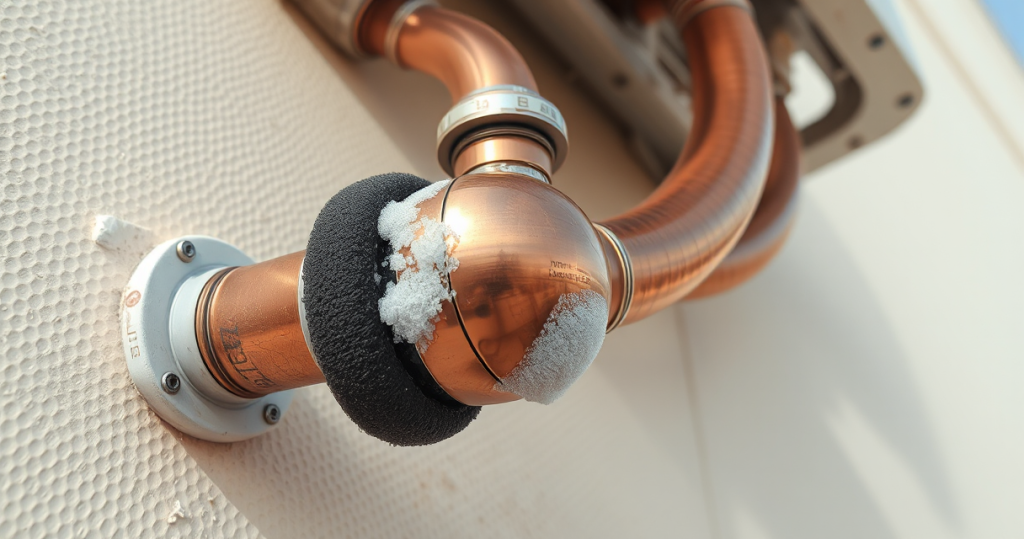
Why R-22 Costs So Much: the Phase-Out in 60 Seconds
On AllBetter
Ready to get it done?
Fund escrow before work starts. Release payment when you approve the finished work.
Find an HVAC pro near you →R-22 is an ozone-depleting HCFC, phased out under the Montreal Protocol. The U.S. banned R-22 in new equipment in 2010 and ended all production and import on January 1, 2020 — the full timeline is on the EPA’s phase-out page. Servicing existing systems stays legal, but every pound now comes from reclaimers recovering old refrigerant or from pre-ban stockpiles, and a shrinking pool of supply meeting a shrinking-but-persistent pool of old systems is exactly the price chart you would expect. There is a second act, too: R-410A, the refrigerant that replaced R-22, is itself being phased down under the AIM Act’s HFC schedule, and new residential systems since 2025 ship on next-generation refrigerants instead. The lesson of the R-22 curve applies to every aging system eventually — refrigerant economics reward planning ahead of the deadline, not after it.
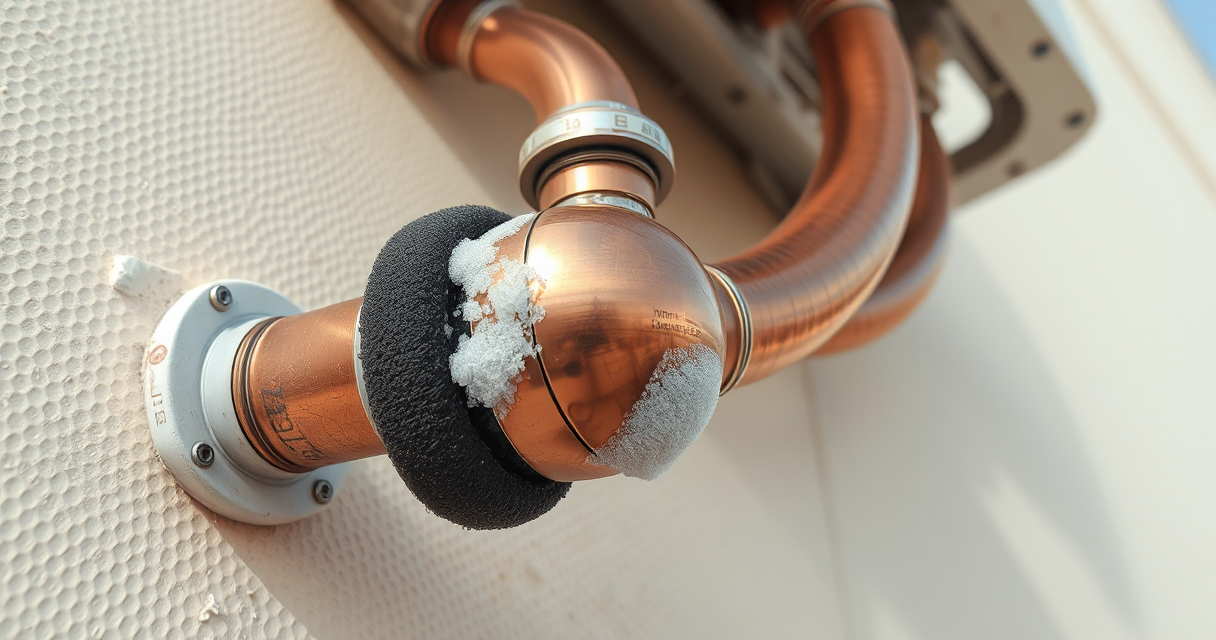
Recharge Costs: R-22 vs. Everything Newer
The comparison is not academic. A slow leak on a modern system is an annoyance; the same leak on an R-22 system is a recurring $500–$1,000 tax, because refrigerant does not get “used up” — if you need a recharge, you have a leak, and the expensive gas you just bought is already leaving. That is why reputable techs pair any R-22 recharge quote with a leak diagnosis, and why “just top it off every spring” is the most expensive plan on the menu.
The Phase-Out Math: Recharge, Retrofit, or Replace?
Three paths, honestly priced:
- Recharge and run ($400–$1,500): defensible on a small leak in an otherwise healthy system you plan to replace within a year or two anyway — buy one more summer, not five.
- Retrofit to a drop-in refrigerant ($1,000–$2,500 with oil and component changes): occasionally sensible on newer R-22 equipment, but most residential systems near end-of-life can’t justify it — you are re-plumbing a 15-year-old unit to save it from its own refrigerant.
- Replace the system ($3,500–$7,500 installed): wins the math surprisingly fast. One major R-22 leak event — recharge plus leak repair — can clear $2,000, more if the failure is the compressor, which on an R-22 unit means new refrigerant charge on top of the part. Against that, a new system brings a fresh warranty, a modern refrigerant with a future, and SEER2 efficiency the old unit never had.

How to Know If Your System Uses R-22
Check the nameplate on the outdoor condenser — it lists the refrigerant (R-22/HCFC-22 vs. R-410A or newer). No legible plate? Installation year is a strong proxy: systems installed before 2010 are usually R-22; 2010–2024 installs are overwhelmingly R-410A. When in doubt, any tech doing a tune-up can confirm in seconds, and it is worth knowing before a July breakdown forces the recharge-or-replace decision on the worst possible day. For the bigger picture on end-of-life planning, our HVAC replacement guide and the rest of the HVAC hub price the road ahead.
R-22 Refrigerant Cost FAQ
Where these numbers come from: regulatory facts and dates are from the U.S. EPA’s ozone-depleting-substances phase-out and AIM Act HFC phase-down programs; price ranges reflect standard residential HVAC pricing across U.S. metros in 2026, where reclaimed-R-22 availability varies widely by region. Refrigerant handling is restricted to EPA Section 608-certified technicians — compare bids with the leak diagnosis in writing.
Is R-22 illegal now?
Owning and running an R-22 system is fully legal. What ended in 2020 is U.S. production and import — servicing continues on reclaimed and stockpiled supply, at reclaimed-supply prices.
Why is my R-22 recharge quote so different from my neighbor’s?
Reclaimed R-22 pricing varies more by region and supplier stock than any refrigerant on the market, and the pounds needed depend on the leak. A per-pound price on the quote makes any comparison honest.
Can R-410A go into an R-22 system?
No — they run at different pressures with incompatible oils. Moving to a modern refrigerant means either a formal retrofit with a compatible blend or, far more often at this point, a new system.
Should I replace a working R-22 air conditioner?
Not just because of the refrigerant — a tight, healthy system can run for years. The moment it develops a leak or a major failure, though, the replacement math usually wins. Decide the threshold now, not in a heat wave.