
The average homeowner spends $47,000 on pre-sale renovations but recovers only 60–70% at closing — because they pick the wrong projects. The gap between a profitable flip and a money pit is knowing which renovations buyers pay more for.
On AllBetter
Need a local pro?
Post the job free and compare bids from identity-verified local pros — payment held in escrow until the work is done right.
Find a verified pro near you →What are the best home renovations for resale ROI? Per Remodeling Magazine’s Cost vs. Value Report, the highest 2026 returns come from minor kitchen remodels (75–81%), garage door replacements (93–97%), manufactured stone veneer (89–96%), and bathroom refreshes (60–72%). Curb appeal and functional upgrades outperform luxury additions.
Why Most Pre-Sale Renovation Budgets Fail
Sellers renovate for their own taste, not the buyer’s wallet. A $65,000 kitchen gut feels transformative but returns just 49.5%. A $27,000 minor remodel — new cabinet fronts, countertops, appliances — returns 81.1%.
NAR’s Remodeling Impact Report confirms it: function and first impressions beat cosmetic overhauls. Buyers discount personalized finishes — they assume they’ll redo bold tile. See the full renovation cost vs. value analysis.
Renovation ROI by Project Type: The 2026 Data
| Renovation Project | Average Cost | Avg. ROI (%) | Best For |
|---|---|---|---|
| Garage Door Replacement | $4,300–$4,500 | 93–97% | Curb appeal |
| Manufactured Stone Veneer | $10,000–$11,300 | 89–96% | Exterior upgrades |
| Minor Kitchen Remodel | $26,000–$28,000 | 75–81% | Functional refresh |
| Entry Door Replacement (Steel) | $2,200–$2,400 | 74–100% | First impressions |
| Deck Addition (Wood) | $17,000–$19,000 | 65–75% | Outdoor living |
| Bathroom Remodel (Mid-Range) | $25,000–$28,000 | 60–72% | Buyer expectations |
| Window Replacement (Vinyl) | $20,000–$22,000 | 57–68% | Energy efficiency |
| Major Kitchen Remodel | $80,000–$154,000 | 31–50% | Luxury/personal |
Lowest sticker price often delivers the highest return. Spreading a $50,000 budget across three high-ROI projects beats sinking it into one major overhaul.
Watch: what new windows really cost in 2026 — a classic resale ROI play.
The Projects That Actually Move the Needle
On AllBetter
Ready to get it done?
Fund escrow before work starts. Release payment when you approve the finished work.
Find a verified pro near you →Watch: the three upgrades appraisers actually reward (30 seconds).
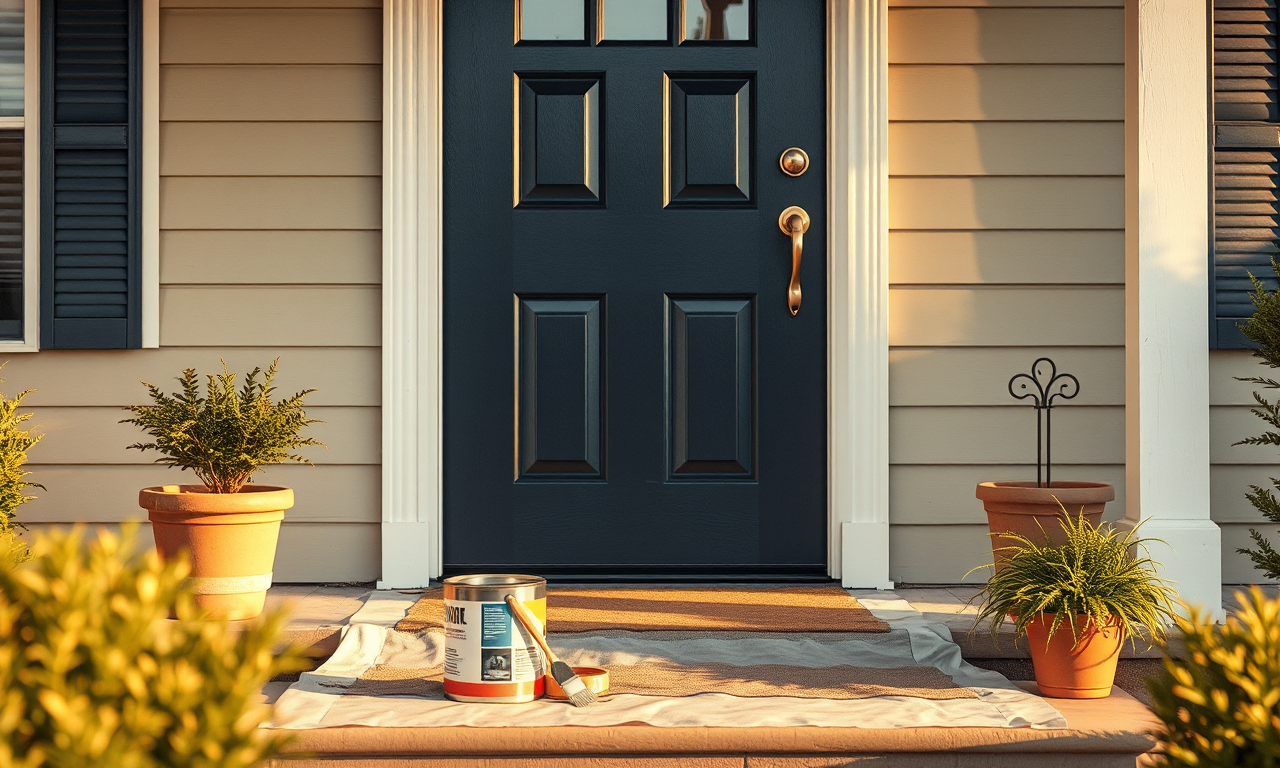
Curb appeal: the 7-second ROI. Zillow shows strong curb appeal sells for 7% more — $28,000 on a $400,000 home. Garage door, stone accent, and steel entry door run under $17,000 combined with blended ROI above 85%. Pressure-washing, fresh house numbers, and landscape lighting amplify it. An exterior paint refresh belongs in the same bucket.
Kitchen: refresh, don’t gut. Painted cabinets, quartz counters, stainless appliances, updated hardware return 75–81%. Sweet spot is 5–8% of home value: $20,000–$32,000 on a $400,000 home. Refacing sound cabinets costs 40–50% less than replacement with nearly identical visual impact. See how much a kitchen remodel costs.
Bathroom: clean and functional wins. Mid-range remodels return 60–72%. Upscale versions with heated floors and frameless glass? Closer to 37%. Focus on the primary bath — re-grout tile, replace a dated vanity, swap brass for brushed nickel. Under $5,000 shifts a home from “needs work” to “move-in ready.”
The Money Traps: Renovations That Lose Value
Some projects feel like upgrades but register as neutral — or negative — to buyers. Swimming pools top the loss list: $55,000–$100,000 in, $15,000–$30,000 out. In colder climates they shrink your buyer pool.
- Sunroom additions — 40–52% ROI. Buyers see heating and cooling costs, not extra living space.
- Home office conversions — Removing a bedroom reduces comparable value, especially in family markets.
- Over-personalized finishes — Bold wallpaper, themed rooms, ultra-modern fixtures appeal to a narrow segment.
- Luxury landscaping — $30,000 on hardscaping rarely returns more than $10,000 at resale.
Pre-sale work is a financial transaction, not a passion project.
Pre-Sale Renovation Priority Checklist
Step 1: Get a pre-listing inspection. $400–$600 buys a list of structural, electrical, and plumbing issues that kill deals. Fixing them proactively removes buyer negotiation leverage.
Step 2: Calculate your budget. Total pre-sale spend should be 1–3% of target sale price. On a $450,000 home that’s $4,500–$13,500. Go higher only if your agent flags specific deal-breakers.
Step 3: Prioritize by ROI, not annoyance. Rank projects by the table above. Allocate to highest-returning first. Stop when budget runs out, not when ideas do.
Step 4: Get three bids on every project over $2,000. Contractor price variance hits 40–60% on identical work. On AllBetter you can compare bids from verified local pros with a pay-when-you-win bidding model and Escrow Shield — funds release only after you approve.
Step 5: Focus on “move-in ready” signals. Fresh neutral paint, working HVAC, no deferred maintenance, clean landscaping. The signal often matters more than any single renovation.
Step 6: Time it to the market. Spring and early-summer listings attract the most buyers. Start renovations 8–12 weeks out — ~30% of projects run long, per NAHB.
Pre-sale work on a deadline? Compare bids
Post the job once and identity-verified pros send real bids — compare prices side by side, and your payment sits in escrow until you approve the finished work.

How to Find the Right Contractor for Pre-Sale Work
Pre-sale work runs tighter on timeline and budget than typical remodels. The biggest risk is booking someone who treats a quick refresh like a full remodel — over-spec’d materials, slipping timelines, inflated costs.
Thumbtack and Angi connect homeowners with local pros but charge contractors per lead — costs baked into your quote. HomeAdvisor works for small one-off tasks but is weaker for multi-trade pre-sale projects. Nextdoor offers neighbor recommendations but no payment protection or vetting standard.
AllBetter takes a different approach: only pay when you win (keeps quotes competitive), Stripe Identity verification on every pro, and Escrow Shield that holds payment until you confirm the work. Trade-off: newer marketplace, so contractor availability varies by metro.
The vetting checklist is the same regardless of platform: verify license, confirm insurance, check three recent reviews, never pay 100% upfront. A 10–20% deposit is standard. Anything more is a red flag.
Regional ROI Differences You Should Know
National averages are a starting point, not the answer. The Pacific region (CA, OR, WA) shows 10–20% higher returns on kitchen and bath remodels than the South Atlantic. Midwest markets favor practical upgrades — windows, siding. Coastal markets reward outdoor living.
Climate matters too. Energy-efficient windows return more in extreme climates. Decks perform best where outdoor weather lasts 6+ months. Ask your local agent: “Which three renovations would make this home sell fastest here?” Their answer should guide allocation more than any national study.
Frequently Asked Questions
What home renovation has the highest ROI for resale?
Garage door replacement delivers the highest ROI at 93–97%, per Remodeling Magazine’s Cost vs. Value Report. It costs $4,300–$4,500 and dramatically improves curb appeal — the first thing buyers evaluate. Minor kitchen remodels (75–81% ROI) and manufactured stone veneer (89–96% ROI) follow closely.
How much should I spend on renovations before selling my house?
Most agents recommend 1–3% of target sale price on pre-sale renovations. For a $400,000 home, that’s $4,000–$12,000. Spending beyond that rarely produces proportional returns. Focus the budget on highest-ROI projects rather than spreading it thin.
Is a kitchen remodel worth it before selling?
A minor kitchen remodel (cabinet refacing, new countertops, updated appliances) returns 75–81% and is almost always worth doing before a sale. A major gut-job costing $80,000+ returns only 31–50% and rarely makes financial sense pre-sale. The distinction is refreshing versus rebuilding.
Do bathroom renovations increase home value?
Yes, mid-range bathroom remodels return 60–72% of cost at resale. The primary bathroom matters most — NAR data ranks it among the top three projects that help close a sale. Focus on clean, neutral finishes: new vanity, updated fixtures, fresh tile, good lighting. Skip heated floors for pre-sale work.
What renovations should I avoid before selling?
Avoid swimming pools (they can shrink your buyer pool in colder climates), sunroom additions (40–52% ROI), removing bedrooms for home offices, and over-personalized finishes like bold wallpaper or themed rooms. Any project that appeals to a narrow buyer segment hurts resale potential more than it helps.
How do I find reliable contractors for pre-sale renovations?
Get three bids for every project over $2,000. Verify license, confirm insurance, and check at least three recent reviews. Platforms like Thumbtack, Angi, and AllBetter list local pros, but only AllBetter combines Stripe Identity verification with escrow payment protection. Never pay more than 10–20% upfront, and get the full scope in writing before demolition begins.
Does curb appeal really affect home sale price?
Zillow research confirms homes with strong curb appeal sell for about 7% more on average. Buyers form a first impression within seconds. A fresh garage door, clean landscaping, pressure-washed driveway, and updated entry door create a “well-maintained” signal that carries through the showing. These exterior improvements often cost under $20,000 combined with ROI above 85%.