
On AllBetter
Need an HVAC pro?
Post the job free and compare bids from identity-verified local pros — payment held in escrow until the work is done right.
Find an HVAC pro near you →The capacitor is the most commonly replaced part in residential air conditioning — and the one with the widest gap between what the part costs and what the visit costs. That gap confuses more homeowners than any number in the AC repair price list, so here is the honest math on both sides of it: what the little silver can actually costs, what a pro visit costs, and when each is the right call.
How much does AC capacitor replacement cost? A professional capacitor replacement costs $150–$400 in 2026, while the part itself is only $10–$80. The difference is the service call, the diagnosis, and twenty minutes of skilled labor. Timing moves the number most: the same swap on an after-hours summer emergency call runs $250–$500.
AC Capacitor Cost: Parts vs. Service Call
| Line item | Typical 2026 cost | Notes |
|---|---|---|
| Run capacitor (part only) | $10–$60 | Single-value, by microfarad rating and voltage |
| Dual-run capacitor (part only) | $15–$80 | Serves compressor + fan; the usual residential part |
| Pro replacement, standard hours | $150–$400 | Service call + diagnosis + part + labor |
| Pro replacement, after-hours | $250–$500 | Emergency and peak-season premium |
| Hard-start kit (if added) | $100–$300 installed | For compressors that struggle to start |
What a Capacitor Does — and How It Fails
On AllBetter
Ready to get it done?
Fund escrow before work starts. Release payment when you approve the finished work.
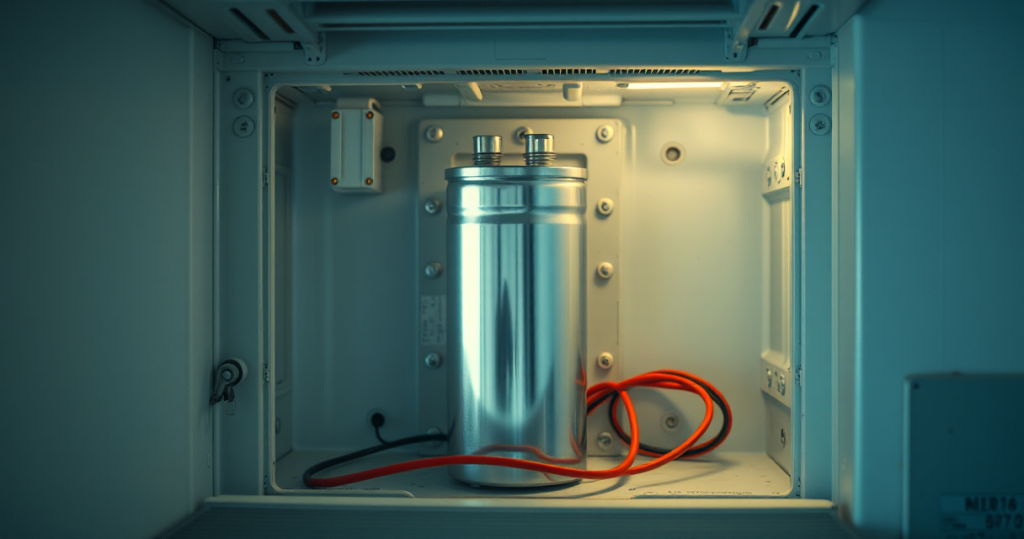
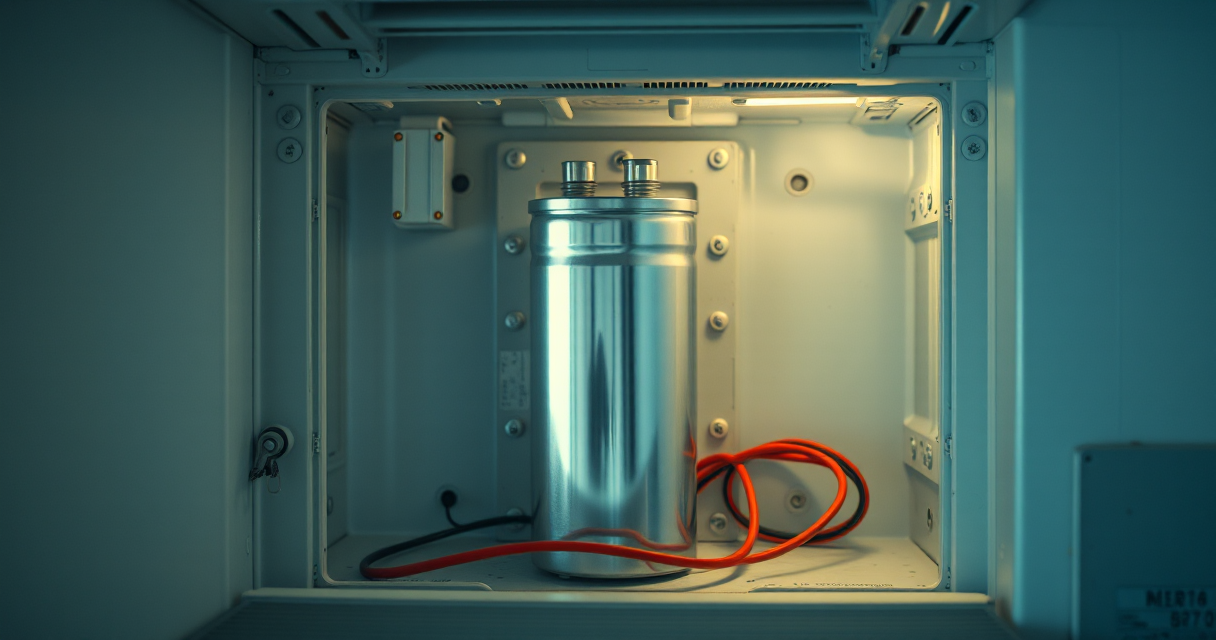
Find an HVAC pro near you →The capacitor stores the jolt of energy that starts the compressor and fan motors, then smooths their running current. Heat is its enemy: capacitors sit in the hottest corner of the condenser and dry out over 5–10 summers, losing capacitance until one day the motor hums but never starts. Failure symptoms are unmistakable once you know them — the AC hums or clicks but won’t kick on, lights dim when it tries, warm air blows while the outdoor fan stands still, or the unit starts only if you poke the fan blades with a stick (a classic dying-capacitor tell, and not a long-term plan).
The Misdiagnosis Trap: Capacitor vs. Compressor
Here is the expensive part of this story. A dead capacitor produces nearly identical symptoms to a dead compressor — hard starting, humming, breaker trips — and the price difference between the two diagnoses is roughly ten to one. Any tech quoting compressor replacement should show you capacitance and megohm readings proving the capacitor was ruled out first. It is the single most misdiagnosed pair in residential AC, and the reason a $2,500 quote deserves a $100 second opinion.
Why You Probably Shouldn’t DIY It
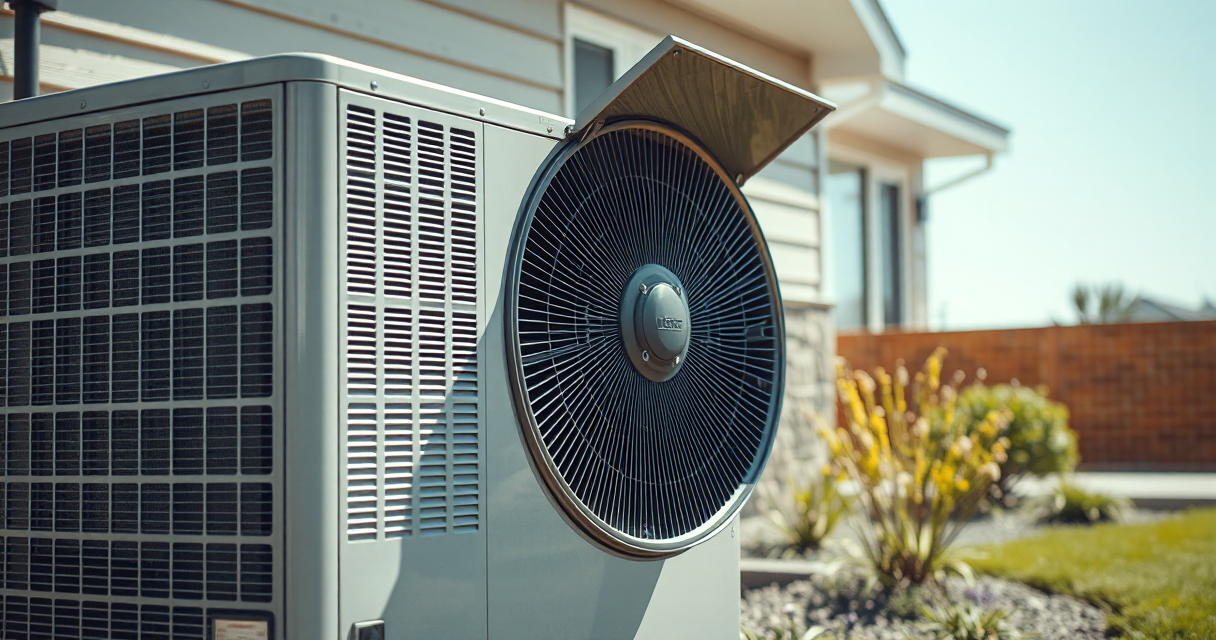
Yes, the part is $40 and the swap is four wires. The catch is that capacitors store a charge after the power is off — enough to put a careless hand in the emergency room — and an incorrectly rated or badly seated replacement quietly stresses the compressor it starts, turning a $40 mistake into the most expensive part on the system. If you are not comfortable safely discharging a capacitor and matching microfarad and voltage ratings exactly, this is a textbook case where the $150–$400 pro visit is cheap insurance. The U.S. Department of Energy’s guidance is blunt on the same point: beyond filters and coils, central AC internals call for a professional technician.
How to Not Overpay for a Capacitor
- Fix it in shoulder season. A capacitor at 5+ years that tests weak on a spring tune-up costs $150–$250 to swap proactively — the annual professional check the Department of Energy’s central AC guidance recommends is what catches it. The identical failure in a July heat wave is an after-hours call at twice the price.
- Ask for the reading. Capacitance is measurable. A tech who says “it’s weak” should be able to show the microfarad reading vs. the rating printed on the can.
- Question the upsell. A hard-start kit has real uses on a struggling compressor, but it is not an automatic add-on to every capacitor swap. If it’s recommended, ask what compressor symptom justifies it.
- Compare more than one number. Capacitor pricing varies more between companies than almost any repair — the part is cheap, so the quote is mostly labor policy. Our HVAC repair cost guide shows where a fair capacitor quote sits among every other common fix.
One more piece of context: if your system is past 10–12 years and this is its second or third electrical failure, weigh the pattern — not this one repair — against the cost of a new AC. A $300 capacitor on a unit with a failing compressor behind it is money spent twice. The HVAC hub has the full series when you want to price both paths.
AC Capacitor Replacement FAQ
Where these numbers come from: the ranges in this guide reflect standard residential AC pricing across U.S. metros in 2026 and what comparable jobs typically bid on AllBetter, with maintenance guidance from the U.S. Department of Energy. Exact pricing depends on the capacitor type, access, and timing — compare bids with the capacitance reading in writing.
How long does a capacitor replacement take?
Usually 20–40 minutes including testing. The visit is mostly diagnosis and safety — the physical swap is minutes once the right part is on the truck.
How often do AC capacitors need replacing?
Every 5–10 years is typical, sooner in hot climates where the condenser bakes all summer. Many pros test capacitance at tune-ups and recommend proactive replacement when the reading drops below rating.
Is a $400 capacitor quote a rip-off?
At the top of the standard range, but not automatically unfair — after-hours timing, a dual-run part, or a hard-to-access unit can justify it. A $400 standard-hours quote for a basic swap is worth a second bid.
Can a bad capacitor damage the compressor?
Yes — a weak capacitor makes the compressor hard-start against inadequate torque, overheating its windings over time. It’s the classic example of a cheap part failure aging an expensive one.