
On AllBetter
Need an HVAC pro?
Post the job free and compare bids from identity-verified local pros — payment held in escrow until the work is done right.
Find an HVAC pro near you →Half of HVAC repair bills have nothing to do with the air conditioner or the furnace specifically — they come from the parts both systems share: the blower, the thermostat, the ductwork, the control board. If you already know which side is broken, our AC repair cost guide and furnace repair cost guide price every cooling- and heating-specific fix. This page covers the rest: what an HVAC visit costs before anyone touches a part, the repairs that show up on both systems, and how to keep a $150 fix from becoming a $600 one.
How much does HVAC repair cost? Most HVAC repairs cost $150–$600 in 2026, with a typical visit landing around $350. The service call itself — a tech at your door with gauges and a meter — runs $75–$200 and is usually credited toward the repair. The single biggest price mover is timing: the same fix on an after-hours emergency call can run 1.5–2× the standard rate.
HVAC Repair Cost by Common Fix
| Repair | Typical 2026 cost | System |
|---|---|---|
| Service call / diagnostic | $75–$200 | Both |
| Flame sensor cleaning or swap | $80–$250 | Furnace |
| Capacitor replacement | $150–$400 | AC / heat pump |
| Thermostat replacement | $150–$500 | Both |
| Contactor replacement | $150–$350 | AC / heat pump |
| Control board replacement | $200–$600 | Both |
| Duct repair or sealing | $200–$800 | Both |
| Blower motor replacement | $300–$900 | Both |
| Refrigerant leak repair | $200–$1,500 | AC / heat pump |
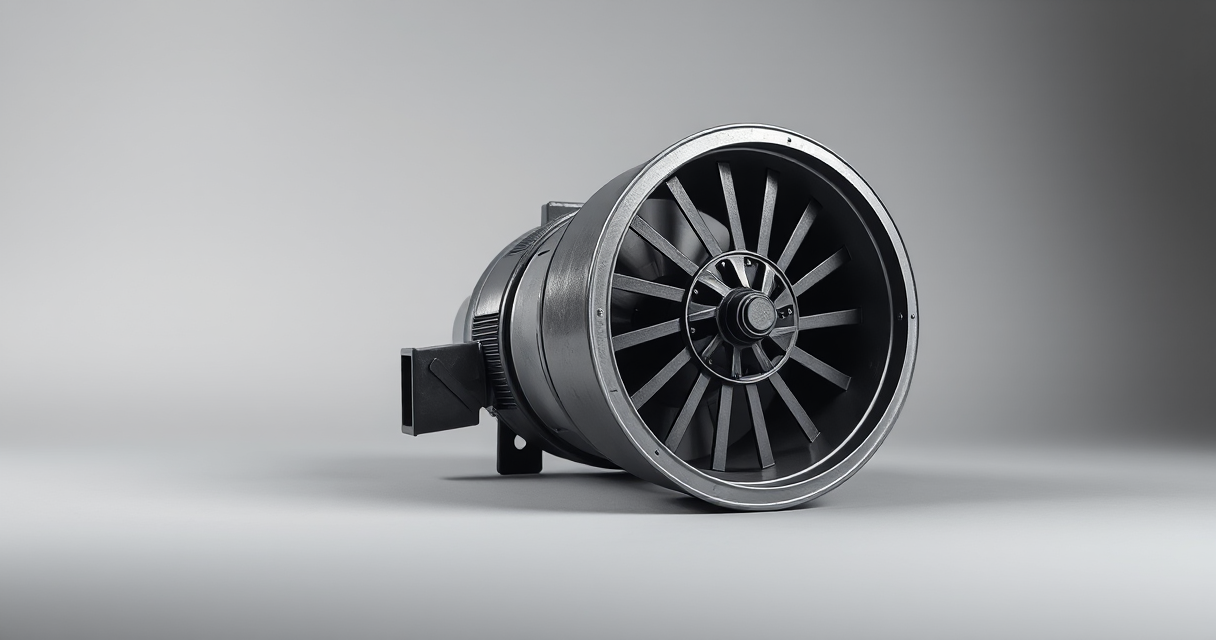
Two of the most expensive lines — the blower motor and the control board — sit in the air handler that heating and cooling share, which is why a “furnace repair” in January and an “AC repair” in July are sometimes the same part failing twice. If a tech replaces one of these, ask whether the other side of the system was checked while the cabinet was open.
What the Service Call Buys You
On AllBetter
Ready to get it done?
Fund escrow before work starts. Release payment when you approve the finished work.
Find an HVAC pro near you →The $75–$200 diagnostic fee is the most misunderstood number in HVAC. It pays for the part of the job that actually takes skill: reading pressures, testing capacitance and amp draw, and finding the one failed component among a dozen suspects. Most companies credit the fee toward the repair if you approve it on the spot — ask before booking, because a credited fee makes the second opinion on any big quote nearly free. What the fee should never buy is a same-visit hard sell for a full system; a failed $20 sensor is not a reason to finance new equipment.
Standard Hours vs. After-Hours: the Real Price Mover
Season and clock beat every other variable. The capacitor that costs $150 on a Tuesday morning in April becomes a $400 emergency on the first 95-degree Saturday of summer — same part, same twenty minutes of labor. After-hours and peak-season calls typically run 1.5–2× standard rates, and some shops add a flat emergency surcharge on top.
Which System Do I Even Call About?
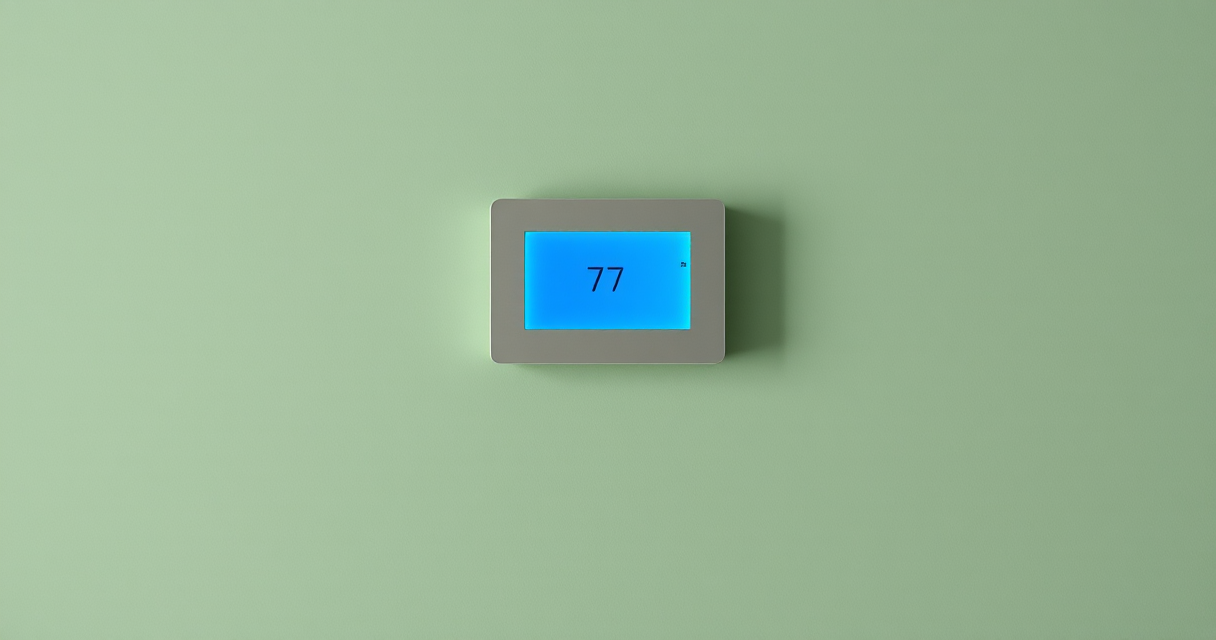
No airflow at all, weak airflow everywhere, wild temperature swings, or a thermostat with a blank screen point to the shared components — blower, board, thermostat, or ducts — and any HVAC tech can chase them. Cold air when you paid for heat is a furnace problem: start with the furnace repair price list. Warm air when you paid for cooling is the AC side: the AC repair guide prices everything from the $150 capacitor — broken out in detail in our capacitor replacement guide — to the refrigerant work that only an EPA Section 608-certified tech can legally do. If the refrigerant in question is R-22, read the R-22 cost breakdown before approving anything — the phased-out refrigerant changes the math on the whole system.
If the heating side is what’s failing, compare the repair quote against a straight replacement using our gas furnace cost breakdown by BTU and efficiency tier.
What Drives an HVAC Repair Bill Up
- Age and parts availability: boards and motors for 15-year-old equipment often ship from specialty suppliers at a premium — when they can be found at all. Past that age, compare every big repair against the cost of a new system.
- Access: an air handler in a tight attic or crawlspace adds labor hours to jobs that take twenty minutes in a garage.
- Cascading failures: a weak capacitor stresses the motor it starts; a clogged filter cooks the blower. The cheap part, ignored, buys the expensive one.
- Refrigerant type: anything touching the sealed system on an older unit costs more every year as supply of phased-out refrigerants tightens.
How to Keep Repair Costs Down
Swap filters monthly in peak season — restricted airflow is the quiet killer behind blower, coil, and even compressor failures, and the U.S. Department of Energy pegs basic maintenance neglect as a primary cause of system decline. Book a spring and fall tune-up so failures surface in shoulder season at standard rates instead of on the year’s hottest weekend. And on any quote over $500, get a second bid with the diagnosis in writing — the HVAC hub has the full guide series for pricing whatever the diagnosis turns out to be.
HVAC Repair Cost FAQ
Where these numbers come from: the ranges in this guide reflect standard residential HVAC pricing across U.S. metros in 2026 and what comparable jobs typically bid on AllBetter, with refrigerant-handling requirements per EPA Section 608 and maintenance guidance from the U.S. Department of Energy. Exact pricing depends on your equipment, access, and timing — compare bids with the diagnosis in writing.
What is a fair HVAC service call fee?
$75–$200 in most metros in 2026, and it should be credited toward the repair if you approve the work. A fee at the top of the range without a credit is worth a second call.
Why did the same repair cost my neighbor half as much?
Timing, almost always. Standard-hours shoulder-season pricing and after-hours peak-season pricing for the identical fix routinely differ by 1.5–2×. Access and equipment age explain most of the rest.
Is it worth repairing a 15-year-old HVAC system?
Under $500, usually yes to buy time. Over that, run the math against replacement first — repeated repairs on equipment past its 15–20-year design life almost never add up in your favor.
Can I do any HVAC repairs myself?
Filters, breaker resets, thermostat batteries, and clearing a condensate drain are fair game. Anything electrical inside the cabinet or touching refrigerant is not — refrigerant work is federally restricted to certified techs.