
How Much Does It Cost to Pave a Driveway?
Paving a driveway costs $5 to $15 per square foot installed for most materials in 2026, which puts a typical project between $2,500 and $7,300 with a national average of about $4,900. The single biggest lever is the material: the same standard 2-car driveway that starts around $3,400 in asphalt can pass $14,000 in interlocking pavers.
On AllBetter
Need a handyman?
Post the job free and compare bids from identity-verified local pros — payment held in escrow until the work is done right.
Find a handyman near you →Every driveway paving cost figure below is an installed price — materials, labor, and basic site prep — pulled from 2026 national cost data and cross-checked across multiple sources. Here is the first-screen comparison most quotes hide from you:
| Material | Cost per sq ft (installed) | Standard 2-car driveway (480 sq ft) | Typical lifespan |
|---|---|---|---|
| Gravel | $1 – $3 | $480 – $1,440 | 15+ years with top-ups |
| Asphalt | $7 – $13 | $3,360 – $6,240 | 15 – 30 years |
| Concrete (plain, 4″) | $8 – $15 | $3,840 – $7,200 | 25 – 50 years |
| Permeable pavers | $10 – $28 | $4,800 – $13,440 | 30+ years |
| Paving stones (pavers) | $10 – $30 | $4,800 – $14,400 | 30 – 50 years |
2026 installed prices; 2-car totals = per-square-foot range × 480 sq ft. Sources: 2026 national project-cost surveys and NerdWallet driveway cost data, cross-checked against 2026 paving-industry pricing guides.
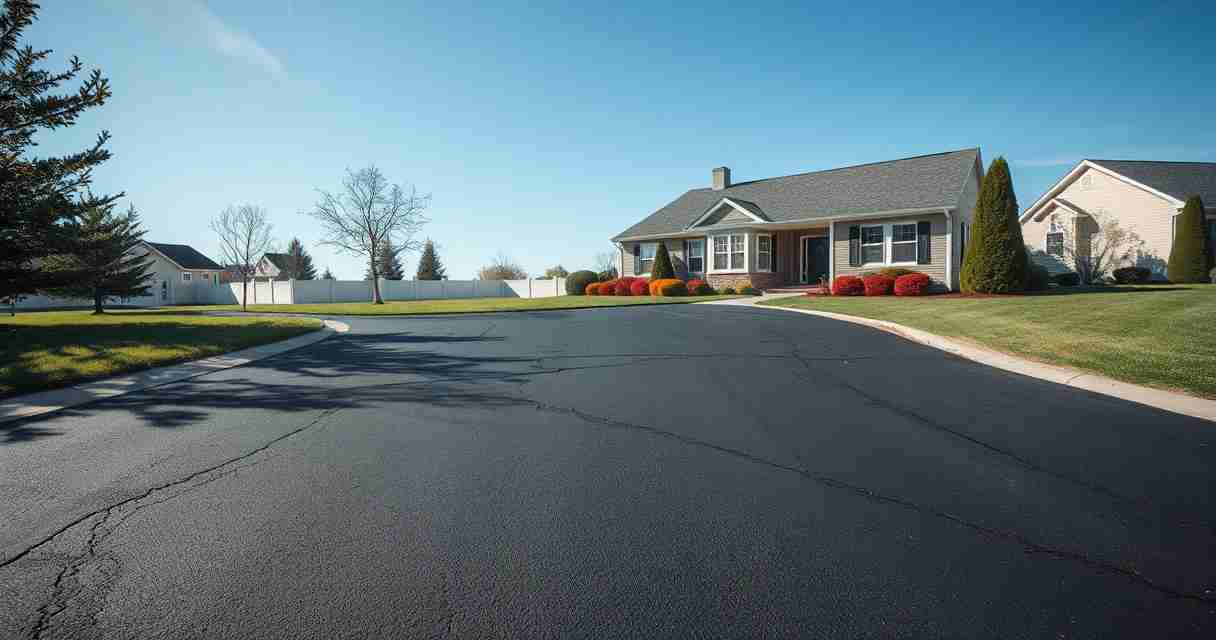
Driveway Paving Cost by Material: Asphalt vs. Concrete vs. Pavers
The material decision is really a decision about upfront cost versus lifespan, so it helps to see the per-square-foot ranges side by side before you drill into any one option.
$5
$10
$15
$20
$1–$3
$2–$5
$7–$13
$8–$15
$10–$28
$10–$30
Gravel
Tar & chip
Asphalt
Concrete
Permeable
pavers
Pavers
Installed cost per square foot, 2026 national ranges. Bar height = range midpoint.
Asphalt: the lowest cost per square foot of the “real” pavements
Hot-mix asphalt runs $7 to $13 per square foot installed over a compacted aggregate base, and a full breakdown by thickness and size is in our asphalt driveway cost guide. Two things to budget beyond the paving day: asphalt pricing tracks crude oil because its binder is a petroleum product — the Asphalt Institute covers why binder grades matter — so quotes are usually only valid for about 30 days. And asphalt is not maintenance-free: plan on sealcoating every 3 to 5 years, which our driveway sealing cost guide prices at $1 to $2 per square foot per application.
Concrete: pay more once, repave less often
A plain broom-finished 4-inch slab costs $8 to $15 per square foot, and stamped or colored finishes push toward $12 to $18. Concrete’s pitch is longevity — 25 to 50 years against asphalt’s 15 to 30 — which is why it often wins on cost per year of ownership. If you are comparing bids line by line, our concrete slab cost guide breaks down slab pricing, and the concrete cost per yard guide explains the ready-mix line item, since material is roughly half the invoice and labor ($2 to $10 per square foot) is the other half.
Driveway Paving Stone Installation: What Pavers Really Cost
On AllBetter
Ready to get it done?
Fund escrow before work starts. Release payment when you approve the finished work.
Find a handyman near you →Driveway paving stone installation runs $10 to $30 per square foot for concrete pavers, with natural stone like bluestone or cobblestone reaching $18 to $50 or more. The price is mostly labor: each stone is set by hand on a bedding layer over a 6-to-8-inch compacted base with edge restraints, to the standard published by the Concrete Masonry & Hardscapes Association. What you get for the premium is a 30-to-50-year surface where any stained or settled stone can be lifted and reset individually — no saw cuts, no patch scars. The same crews typically build walkways and patios too, so if you are already pricing hardscaping, compare notes with our paver patio page before you bundle the work.
Permeable Paving Driveway: The Eco Option That Can Pay You Back
A permeable paving driveway costs $10 to $28 per square foot installed — open-jointed pavers over a deep, open-graded stone base that lets stormwater soak through instead of sheeting into the street. The EPA classifies permeable pavement as green infrastructure, and that classification has a practical payoff: a growing number of municipalities offer stormwater-fee credits or rebates for permeable surfaces, and some tighten runoff rules enough that permeable is the cheapest way to get a large driveway approved at all. The base excavation is deeper than a standard paver job, which is why permeable quotes rarely land at the bottom of that range, and it needs occasional vacuum-sweeping to keep the joints draining.
What Drives Driveway Paving Costs Up
Four line items separate a $3,000 quote from a $7,000 one for the same square footage:
- Tear-out. Most paving jobs are replacements. Removing old asphalt adds $1 to $3 per square foot; demolishing reinforced concrete adds $2 to $6 because it takes heavy equipment and disposal fees.
- Grading and drainage. A sloped or poorly draining lot can add $1,500 or more before any paving starts. Water that ponds under a driveway is what kills it early, so this is the wrong line to trim.
- Shape and access. Curved and circular layouts add roughly 10 to 30 percent for cutting and forming.
- Region. High-cost metros run 25 to 30 percent above the national average; the rural South and Midwest run below it.
What’s the Cheapest Way to Pave a Driveway?
If the budget is the constraint, you have four honest options, in ascending order of cost. Gravel at $1 to $3 per square foot is the cheapest drivable surface, and the only one a determined homeowner can install without paving equipment. Recycled asphalt millings at roughly $2 to $5 compact into a semi-solid surface and are the best-value middle ground. Tar-and-chip at $2 to $5 gives a rustic bound surface that lasts 7 to 10 years. And if your existing asphalt is structurally sound but ugly, an overlay at $3 to $7 per square foot resurfaces it without full replacement — though overlaying a failing base just buys a couple of years. When the damage is localized, repairing usually beats repaving: patching and crack-filling run $2 to $5 per square foot, and our asphalt driveway repair cost guide covers when a repair stops making sense.
One caution before you chase the lowest sticker price — the cheap options carry the highest maintenance load, and the per-year math converges more than the install prices suggest:
$100
$200
$300
$400
$50–$300/yr
$150–$450/yr
$130–$400/yr
$150–$400/yr
Gravel
Asphalt
Concrete
Pavers
Install + maintenance amortized over each material’s service life, 2-car driveway. Bar = midpoint.
DIY vs. Hiring a Paving Contractor
Hot-mix asphalt arrives at roughly 300°F and has to be spread and compacted with a paver and roller before it cools — it is genuinely not a DIY material, and concrete flatwork at driveway scale is nearly as unforgiving. Gravel is the one surface where sweat equity works. For everything else, the money move is comparison, not tools: paving quotes for identical scopes can spread 40 percent or more in the same ZIP code, so collect at least three itemized bids that each specify base depth, surface thickness, and drainage — the three places low bids quietly cut.
Where these numbers come from: Per-square-foot and project ranges are 2026 national installed prices compiled from 2026 national driveway-paving cost surveys (average $4,908; typical range $2,523–$7,293), NerdWallet’s 2026 asphalt-vs-concrete comparison ($7–$15 and $8–$20 per sq ft), and 2026 paving-industry cost guides for gravel, millings, tar-and-chip, and paver ranges. Two-car totals are computed as the per-square-foot range multiplied by a 480 sq ft driveway. Industry-standard build specs referenced from the Asphalt Institute, the Portland Cement Association, and the Concrete Masonry & Hardscapes Association. Where sources disagreed, we kept the overlapping (conservative) range. Your local bids are the real number — these ranges tell you whether a bid is inside the fairway.
Driveway Paving Cost FAQ
How long does paving a driveway take?
Asphalt is the fastest: one to two days to pave, and you can usually drive on it after two to three days. Concrete pours in one to three days but needs about seven days of curing before you park on it (full strength takes roughly 28 days). Paver installation takes two to five days of handwork, but the driveway is usable as soon as the joints are sanded and compacted.
What’s the best time of year to pave a driveway?
Late spring through early fall. Asphalt needs air and ground temperatures of at least 50°F and rising to compact properly, and concrete cures best between roughly 50°F and 85°F. Late summer and early fall often combine good paving weather with contractors filling out their season, which is when scheduling and pricing are most negotiable. Winter paving in cold climates risks a surface that fails years early.
Do you need a permit to pave a driveway?
Often, yes. Replacing an existing driveway in the same footprint is frequently exempt, but a new driveway, a widened footprint, a new curb cut, or anything that changes drainage usually requires a permit and sometimes a site plan. Rules are local, so check your city or county building department before signing a contract — a good contractor will handle the paperwork and price it into the bid.
Is it cheaper to pave a driveway with asphalt or concrete?
Asphalt is cheaper upfront — $7 to $13 per square foot versus $8 to $15 for plain concrete — but concrete usually wins on cost per year because it lasts 25 to 50 years versus asphalt’s 15 to 30 and skips the sealcoating cycle. In freeze-thaw climates asphalt handles ground movement better; in hot climates concrete holds up better.