
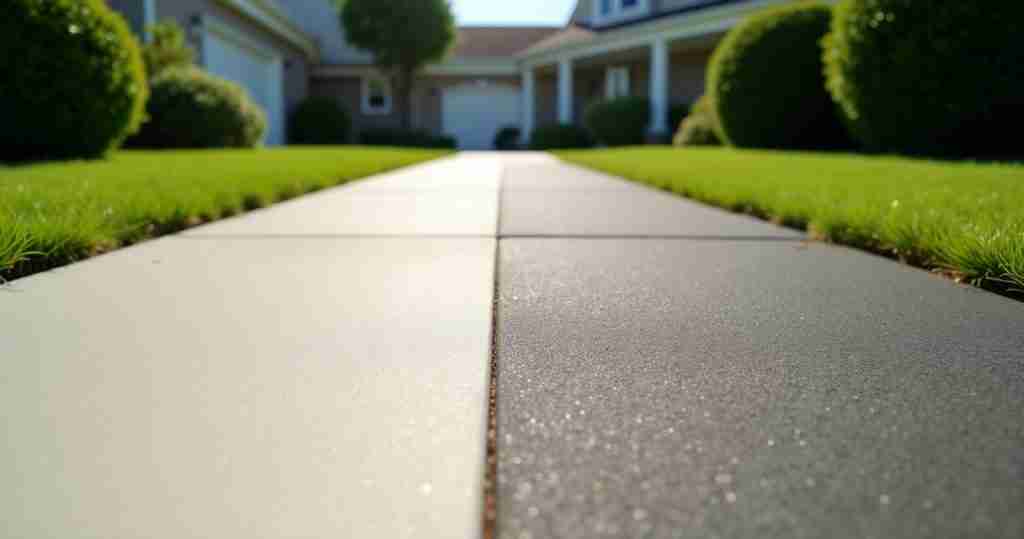
Sealing a driveway costs about $1 to $2 per square foot in 2026, which puts a typical 2-car driveway of 400 to 576 square feet at roughly $400 to $1,200. The single biggest thing that moves the number is one most quotes leave out: sealcoating is not one-and-done. In most climates you reseal every 2 to 3 years, so the honest figure is the 10-year total, not the sticker on a single visit.
On AllBetter
Need a handyman?
Post the job free and compare bids from identity-verified local pros — payment held in escrow until the work is done right.
Find a handyman near you →The ranges below come from 2026 contractor cost data, including HomeGuide’s 2026 driveway sealing cost guide, cross-checked against manufacturer coverage rates. Your quote will land inside or outside these ranges based on your driveway’s size, condition, and your local labor rate.
| Driveway size | Square feet | Typical total cost |
|---|---|---|
| 1-car (12×24) | ~288 | $290 – $580 |
| 2-car (20×20) | ~400 | $400 – $800 |
| 2-car (24×24) | ~576 | $580 – $1,200 |
| 3-car (24×36) | ~864 | $860 – $1,700 |
| Large / circular | 1,650+ | $1,700 – $3,300 |
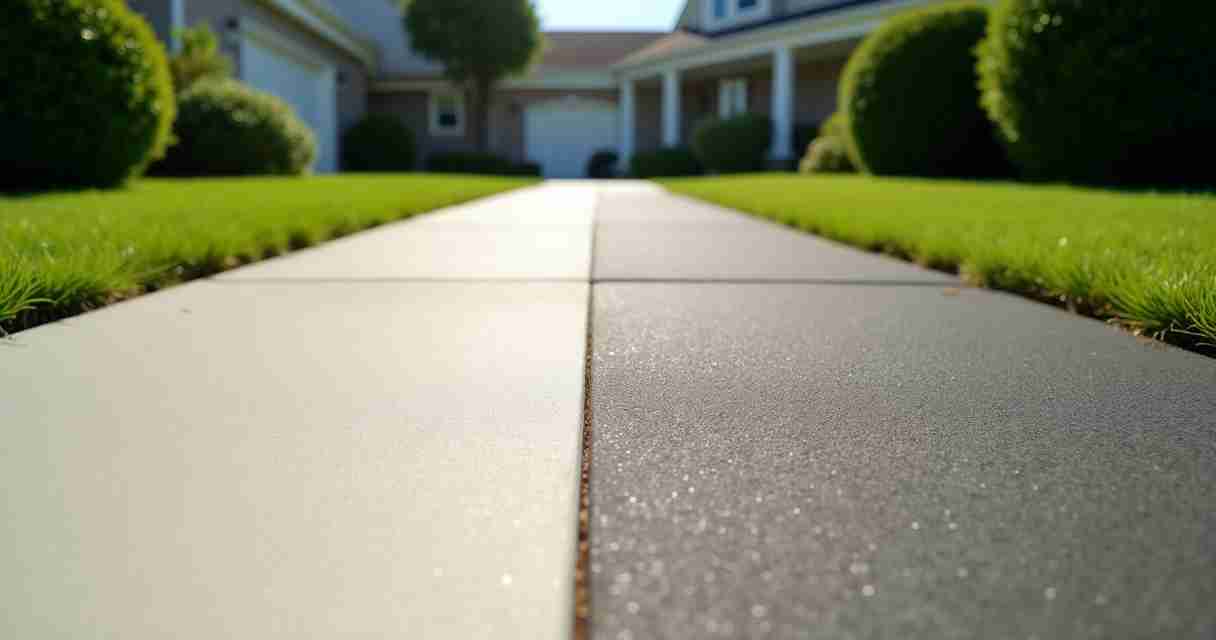
Driveway Sealing Cost by Size
Crews price sealing by the square foot, so size sets the baseline. A small 1-car driveway of about 288 square feet typically runs $290 to $580, while a standard 2-car driveway lands between $400 and $1,200 depending on whether it is closer to 400 or 576 square feet. Long, wide, or circular driveways push past $1,700 because there is simply more surface to clean, edge, and coat. The pre-seal wash itself is priced in our pressure washing cost guide.
Watch for a contractor minimum charge. Many pros have a floor of $250 to $400 per visit, so a tiny driveway can cost the same as a mid-size one. If yours is small, ask about bundling nearby walkways or a patio into the same trip.
Cost by Sealer Type
On AllBetter
Ready to get it done?
Fund escrow before work starts. Release payment when you approve the finished work.
Find a handyman near you →The sealer you choose changes both the material cost and how long the job lasts. Materials are only $0.06 to $0.40 per square foot on their own — labor is the bigger line — but the type decides your reseal cadence and, increasingly, whether it is even legal in your area.
| Sealer type | Material cost / sq ft | Per 5-gal pail | Notes |
|---|---|---|---|
| Asphalt polymer emulsion | $0.08 – $0.15 | $20 – $75 | Popular, lower-odor, water-based |
| Coal-tar emulsion | $0.06 – $0.15 | $15 – $75 | Durable, but restricted/banned in many states |
| Fast-dry | $0.10 – $0.20 | $25 – $100 | Reopens to traffic sooner |
| Latex acrylic | $0.20 – $0.25 | $50 – $125 | Longer-lasting, color options |
| Eco-friendly | $0.25 – $0.40 | $62 – $200 | Lowest-VOC, highest material cost |
A real honesty note on coal tar: it seals beautifully and cheaply, which is why it is still common — but the U.S. Geological Survey has linked coal-tar sealcoat to elevated polycyclic aromatic hydrocarbon (PAH) runoff, and a growing list of states and cities have restricted or banned it. If you are comparing bids, ask which sealer a contractor uses; a low coal-tar quote may not be an option where you live. See the USGS research on coal-tar sealcoat and PAHs.
How Often Should You Reseal — and What That Really Costs
This is the number that changes the decision. A single sealing is cheap, but it wears off. Most asphalt driveways need resealing every 2 to 3 years in freeze-thaw or intense-sun climates, stretching to 5 years in mild ones. Over ten years, that is three to four applications — so a “$600 driveway seal” is really closer to $2,000 to $2,400 across 10 years.
That is not a reason to skip it — the opposite. Sealing every 2 to 3 years is what pushes an asphalt driveway from a 15-year lifespan toward 25 to 30 years, deferring a $4 to $15 per square foot full replacement. The recurring $500 keeps the $6,000 job away.
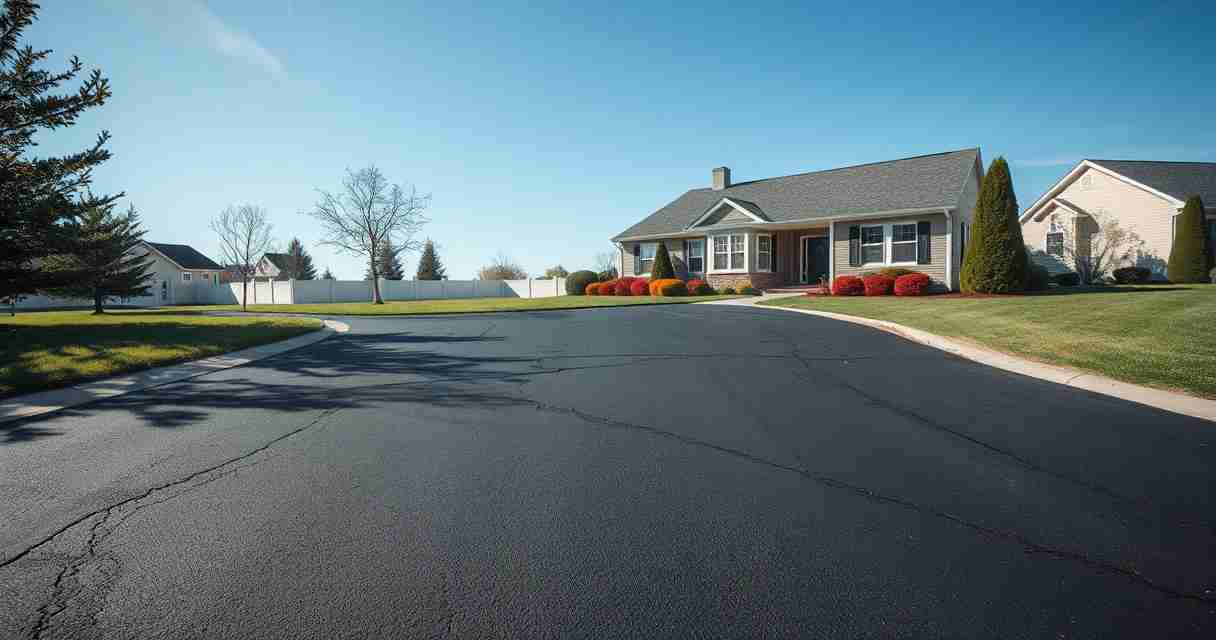
DIY vs. Pro Sealing
Sealer for a 400-square-foot driveway is roughly $40 to $200 in materials, versus $400 to $800 for a pro — a real DIY saving. The catch is entirely in the prep and the application. A seal over a dirty, damp, or unrepaired surface peels within a season, and over-application (the most common DIY mistake) traps moisture and cracks. If your driveway has oil stains, cracks, or pitting, budget $100 to $400 in crack and pothole repair before any sealer goes down, whoever applies it.
What Drives the Price Up
Condition. Cracks, potholes, and heavy oil staining all need repair or extra prep first. Coats. High-traffic or heavy-vehicle driveways may need two coats, nearly doubling material. Access and shape. Steep, curved, or heavily edged driveways take longer to cut in. Region. Labor is the majority of the bill, so your local rate matters more than the sealer.
How to Save on Driveway Sealing
Seal on schedule rather than late — a driveway resealed every 3 years never needs the expensive repairs a neglected one does. Bundle walkways or a patio to clear a contractor minimum. Book in late spring or early fall when crews aren’t slammed. And rather than guess whether a quote is fair, it is worth posting the job and comparing a few local bids side by side — sealing prices vary widely by contractor for the same driveway.
How we sourced these numbers. Price ranges reflect 2026 U.S. contractor cost data from HomeGuide’s driveway sealing cost guide, with sealer coverage and reseal cadence cross-checked against manufacturer specifications and USGS coal-tar sealcoat research. Chart values use the midpoint of each published range. Local quotes vary with driveway condition, region, and contractor minimums — always confirm with an on-site estimate.
Driveway Sealing Cost FAQ
How much does it cost to seal a driveway in 2026? About $1 to $2 per square foot, or $400 to $800 for a typical 400-square-foot driveway; larger driveways run $860 to $3,300.
How often should you reseal a driveway? Every 2 to 3 years in harsh climates, up to 5 in mild ones; a new asphalt driveway cures 3 to 6 months before its first seal.
Is it cheaper to seal a driveway yourself? Yes on materials ($40 to $200 vs. $400 to $800), but prep and even application decide whether the seal lasts.
Does coal-tar or asphalt-emulsion sealer cost more? Roughly the same in material, but coal tar is restricted or banned in many states over PAH runoff — asphalt emulsion is the compliant choice there.
For related exterior pricing, see our guides to asphalt driveway cost per square foot and concrete slab cost, or browse more homeowner pricing breakdowns on the AllBetter handyman blog.
Sealing only pays when the surface underneath is worth protecting. If your driveway is past saving, start with the driveway paving cost guide and price a replacement instead.