
On AllBetter
Need an electrician?
Post the job free and compare bids from identity-verified local pros — payment held in escrow until the work is done right.
Find an electrician near you →A dead outlet is rarely just an inconvenience — behind the wall it can mean a loose connection arcing against plastic, a fire risk you cannot see. The good news: fixing an outlet is one of the cheapest electrical jobs you can book. This guide breaks down repair and replacement cost by type, what electricians charge in 2026, and where the line sits between a safe DIY fix and a licensed pro.
How much does electrical outlet repair cost? Electrical outlet repair costs $80–$200 on average in 2026, with a national average around $130. A simple receptacle replacement runs $60–$120, GFCI upgrades cost $130–$300, and a 240V outlet runs $250–$800. Electricians charge $50–$130 an hour, but most apply a $100–$200 minimum service fee per visit, since one outlet takes well under an hour.
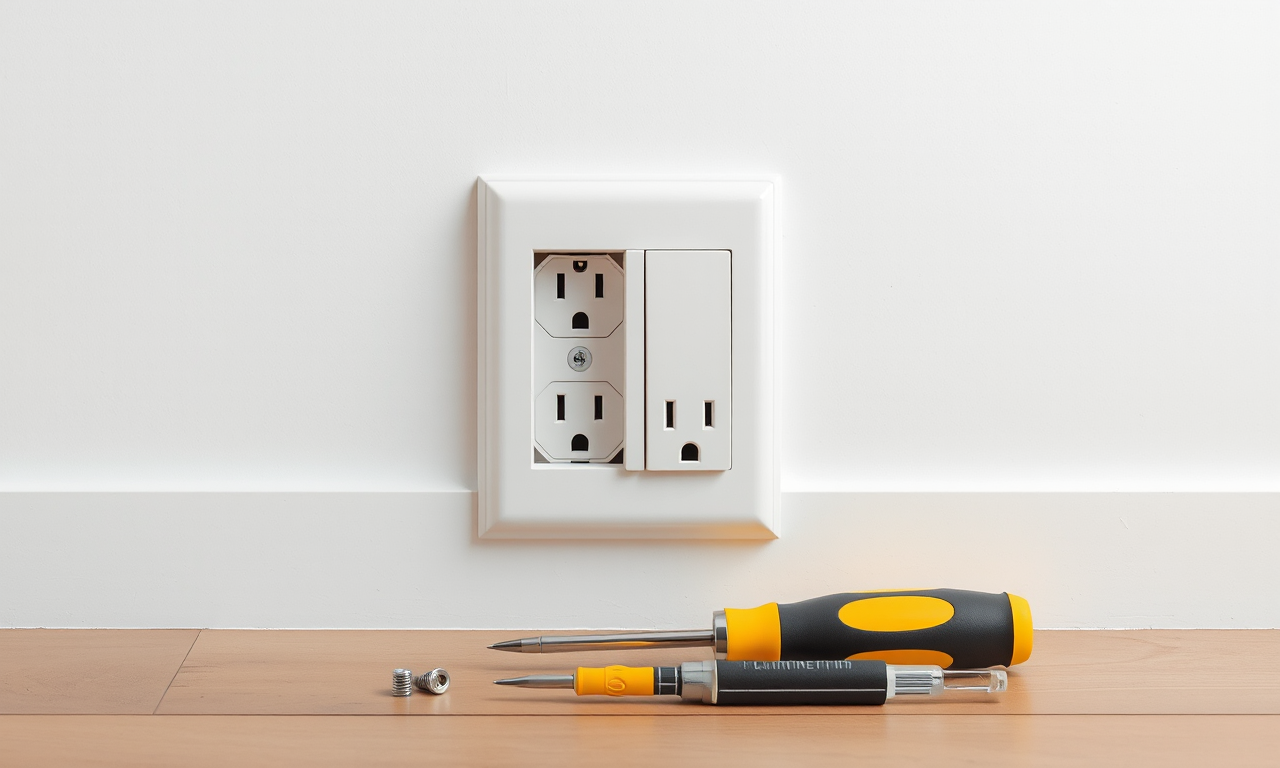
Outlet Repair vs. Replacement Cost by Type
The outlet type sets the price. Typical 2026 ranges, parts plus labor:
If multiple outlets are failing at once, the problem may trace back to an overloaded or outdated panel. See our electrical panel upgrade cost guide if an electrician points upstream. (What those hourly rates mean for the pro: see the electrician salary guide.)
What Affects Your Outlet Repair Cost
Five factors decide whether the repair lands at $60 or $600:
- Outlet type. A $3 standard receptacle, a $50 GFCI, or a $40 USB outlet — the part is cheap; you pay for labor, the trip fee, and any new wiring.
- Wiring condition. Sound wiring means a quick swap. Aluminum wiring, knob-and-tube, or scorched connections expand the scope and cost.
- Accessibility. An outlet on an open wall takes 15 minutes. Behind a built-in cabinet, in a finished ceiling, or on an exterior brick wall, it takes two to three times longer.
- Permits. Simple swaps rarely need one. New circuits, 240V installs, and panel work usually do — expect $50–$200 plus an inspection.
- Minimum service fee. Most electricians charge a $100–$200 minimum per visit, so one quick swap still costs an hour of labor.
Repair vs. Replace: When Each Makes Sense
On AllBetter
Ready to get it done?
Fund escrow before work starts. Release payment when you approve the finished work.
Find an electrician near you →Not every dead outlet needs a new receptacle. Sometimes the fix is upstream — a tripped breaker, a tripped GFCI, or a loose wire nut in a junction box:
If you notice a burning smell near an outlet, scorch marks, a warm cover, sparks when plugging in, or a breaker that trips repeatedly, stop using the outlet, flip the breaker, and call a licensed electrician. Electrical fires can start inside walls where you cannot see them.
DIY vs. Hiring an Electrician
Some outlet work is safe for a confident DIYer. Other work can kill you:
- Safe DIY ($0–$15): Reset a tripped breaker, press a GFCI reset button, replace a cracked faceplate, or test outlets with a $15 plug-in tester.
- DIY if experienced ($5–$40): Swap a standard receptacle (breaker off, verified dead first), replace a light switch, or install a USB outlet on an existing circuit.
- Always call a pro ($100–$800): Any panel work, new circuits, 240V outlets, aluminum wiring, burn marks or melted wires, anything behind finished walls, and GFCI installs in wet areas.
If your home has knob-and-tube or aluminum wiring, an outlet problem is often the first symptom of a bigger job. Our whole-house electrical wiring cost guide covers what a full or partial rewire runs.
Watch: how to tell a fair electrician quote from an inflated one.
How to Save on Outlet Repairs
- Bundle repairs into one visit. With a $100–$200 minimum per trip, five outlets fixed at once costs far less than five separate calls. Walk the house and list every outlet that needs work.
- Buy your own parts. Outlets cost $1–$50 at a hardware store; some electricians mark up parts 50–100%. Ask if they install customer-supplied ones.
- Check the breaker first. A tripped breaker or upstream GFCI can kill power to several outlets. Resetting it is free.
- Schedule during business hours. Emergency calls carry 50–100% surcharges. If the outlet is not sparking or smoking, it can wait.
- Compare quotes. On a marketplace with a pay-when-you-win bidding model, licensed electricians compete on price and payment is held in escrow until the work passes.
Common Outlet Problems and What They Cost to Fix
Knowing what is wrong helps you read the quote. Six common problems:
How to Spot a Licensed Electrician
Outlet work touches live wiring, so the person matters. Before you hire, confirm:
- License number disclosed upfront. A master electrician’s license and state number should be given without you asking.
- Inspects behind the wall. A real pro pulls the outlet and checks the connections and wire condition.
- Uses screw terminals, not backstabs. Screw terminals are the code-preferred termination with no arc risk.
- Knows the GFCI rules. They confirm GFCI protection is required in kitchens, baths, garages, and outdoors (NEC Article 210.8).
- Permits new circuits. For new-circuit and 240V work, a legitimate electrician pulls a permit and schedules inspection.
- Warranty in writing. Expect a workmanship warranty plus a parts warranty on the written estimate.
Lead-generation sites like Angi and Thumbtack charge contractors $15–$80 per lead, and that cost gets baked into your quote. On a marketplace with a pay-when-you-win bidding model, verified electricians bid your job directly and payment is held in escrow until you approve.
Small fix, real bids
Post the job once and identity-verified pros send real bids — compare prices side by side, and your payment sits in escrow until you approve the finished work.

Frequently Asked Questions
How much does it cost to fix an electrical outlet?
Fixing an electrical outlet costs $80 to $200 on average in 2026, with a national average around $130. A simple receptacle replacement runs $60–$120, and GFCI installation costs $130–$300. Most electricians charge a $100–$200 minimum service fee per visit, so bundle multiple outlet repairs into one appointment to save money.
Can I replace an electrical outlet myself?
You can replace a standard outlet if you follow the safety steps: turn off the breaker, verify power is off with a voltage tester, and match the wire connections exactly. Any work involving new circuits, 240V outlets, aluminum wiring, or burn damage should go to a licensed electrician — incorrect wiring can cause fires or electrocution.
How much does an electrician charge per hour?
Electricians charge $50 to $130 per hour in 2026, depending on experience, certification, and location. Most also apply a $100–$200 minimum service fee per visit. Emergency and after-hours rates add 50–100%.
Why is my outlet not working but the breaker isn’t tripped?
The most common cause is a tripped GFCI outlet elsewhere on the same circuit — GFCI outlets protect downstream outlets, so a tripped one in your bathroom can kill power in other rooms. Check every GFCI outlet (kitchen, bathroom, garage, outdoor) and press the reset buttons. If that does not work, the outlet itself may have a loose connection or failed receptacle, a $60–$150 repair.
Do I need GFCI outlets in my home?
Yes. The National Electrical Code requires GFCI protection in kitchens, bathrooms, laundry rooms, garages, basements, crawl spaces, and all outdoor outlets. Older homes often have outlets that need GFCI upgrades. They cost $130–$300 each to install and protect against electrical shock near water.
How long do electrical outlets last?
Electrical outlets typically last 15–25 years before the internal contacts wear out and can no longer grip plugs securely. Heavy-use outlets wear out faster. Signs include loose plugs that fall out, intermittent power, or warmth under load. Replacing a worn outlet is cheap, $60–$120 each, and prevents arcing that can cause fires.
Adding a charger for an electric vehicle? See our EV charger installation cost guide for real installed pricing.