
avg. home inspection cost
of inspections find issues requiring attention
in repairs typically negotiated after inspection
According to the American Society of Home Inspectors, 90% of home inspection reports identify at least one significant defect. For first-time buyers, these hidden problems — foundation cracks, outdated electrical panels, failing HVAC systems, and concealed water damage — translate to an average of $14,000 in unexpected costs when discovered after purchase. A pre-purchase inspection costing $300 to $500 is the single most cost-effective step in the entire home buying process.
On AllBetter
Need a local pro?
Post the job free and compare bids from identity-verified local pros — payment held in escrow until the work is done right.
Find a verified pro near you →Related read: What to check for water damage before you buy a home (it can cost $50K+ to miss)
What should a home inspection checklist include? A complete home inspection checklist covers seven critical areas: exterior and roof condition, foundation and structural integrity, electrical system safety, plumbing and water systems, HVAC functionality and remaining lifespan, interior condition (walls, floors, windows, doors), and hidden spaces (attic, basement, crawl space). Each area has specific indicators that separate minor cosmetic issues from expensive structural problems.
Check your inbox for a confirmation email.

The 7-Area Home Inspection Checklist
Skipping the DIY route? You can post the job on AllBetter and have ID-verified pros bidding within the hour — no spam calls, payment held in escrow until you approve the work.
1. Exterior and Roof
The exterior is the home’s primary weather barrier. Damage here leads directly to expensive interior problems.
- Roof — check for missing, cracked, or curling shingles. Examine flashing around chimneys, vents, and skylights for gaps or lifting. A roof replacement costs $8,000 to $25,000, so remaining lifespan is critical information
- Gutters and downspouts — verify they are securely attached, free of rust and debris, and direct water at least 4 feet away from the foundation
- Siding and paint — look for peeling, warping, cracking, or gaps in caulking around windows and doors that allow moisture and pest entry
- Grading — soil should slope away from the foundation at a minimum of 6 inches over 10 feet to prevent water pooling
2. Foundation and Structure
Foundation problems are the most expensive repair category, averaging $4,500 to $15,000.
- Foundation walls — small hairline cracks are normal. Horizontal cracks, stair-step cracks in brick, or cracks wider than 1/4 inch indicate structural movement requiring engineering assessment
- Floors — walk every room checking for soft spots, noticeable slopes, or bouncing. Sagging floors indicate joist damage or foundation settlement
- Doors and windows — open and close every door and window. Doors that stick or swing open on their own suggest the frame has shifted — a potential foundation symptom


3. Electrical System
Electrical problems are a leading cause of house fires. The National Fire Protection Association reports that electrical failures cause approximately 46,700 home fires annually.
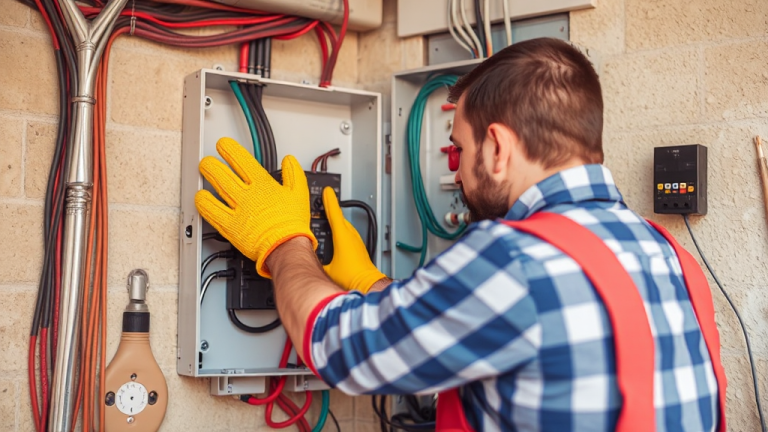
- Main panel — look for an outdated fuse box (should be upgraded to circuit breakers), signs of overheating or scorching, and proper labeling of circuits
- Wiring type — aluminum wiring (common in 1960s-70s homes) and knob-and-tube wiring (pre-1950s) both require professional evaluation and potential replacement
- Outlets — test all outlets. Verify GFCI (Ground Fault Circuit Interrupter) protection in kitchens, bathrooms, garages, and outdoor areas
- Visible wiring — check the attic and basement for exposed, damaged, or improperly spliced wiring
4. Plumbing
Water damage is the most common and most expensive type of homeowner insurance claim, averaging over $12,000 per incident.
- Water pressure — run multiple faucets simultaneously. Significant pressure drop indicates supply line problems
- Drainage — fill each sink and tub, then release. Slow drainage suggests blockages in the main line
- Pipe material — galvanized steel pipes (common before 1960) corrode from the inside and have limited remaining life. Copper and PEX are standard modern materials
- Water heater — note the age (manufacturer label), check for rust or leaks at the base, and verify proper ventilation. Average lifespan is 8 to 12 years
- Under sinks and around toilets — look for active leaks, water stains, or warped cabinet bottoms indicating past leaks
5. HVAC System
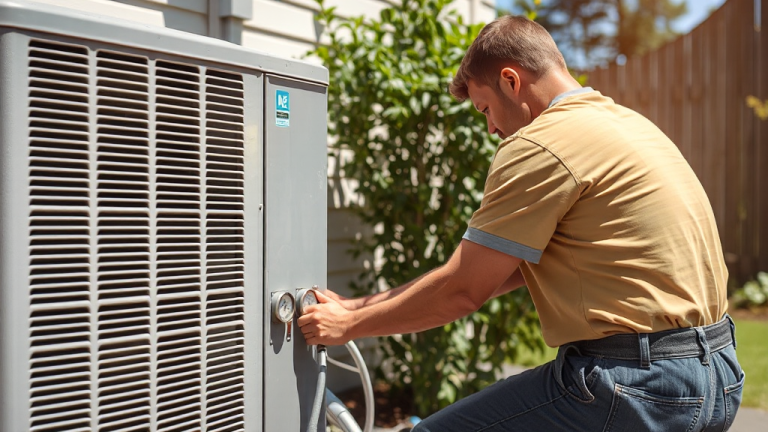
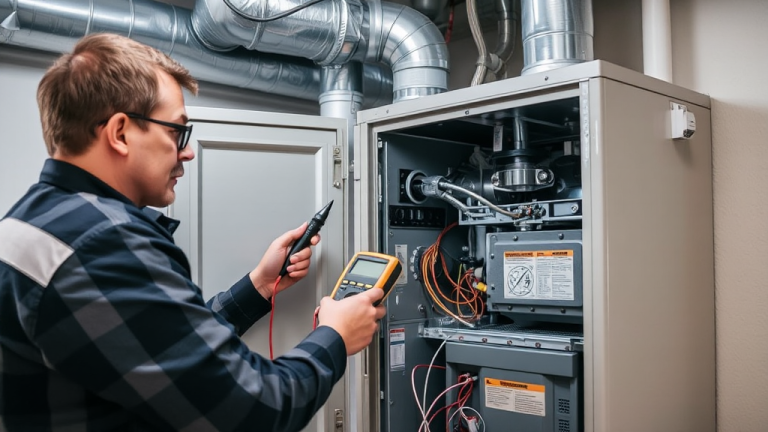
HVAC replacement costs $5,000 to $15,000. Knowing the system’s age and condition prevents the worst surprise expense.
- System age — most HVAC systems last 15 to 20 years. A unit older than 15 years needs budget planning for replacement
- Functionality — test both heating and cooling modes. Listen for unusual noises (grinding, banging, or squealing indicate mechanical problems)
- Ductwork — check visible ducts in attic and basement for disconnections, gaps, or excessive dust accumulation
- Air filter condition — a severely clogged filter suggests the system has been neglected, which shortens equipment lifespan
6. Interior Condition
- Walls and ceilings — water stains on ceilings indicate roof leaks or plumbing failures above. Large cracks in drywall, especially at corners of doorframes, suggest structural movement
- Windows — check for broken seals (fogging between panes in double-pane windows), proper locking mechanisms, and intact weather stripping
- Kitchen and bathroom — run all appliances, test every faucet, flush all toilets, and check exhaust fan operation
7. Hidden Spaces: Attic, Basement, Crawl Space
These areas reveal the problems that sellers cannot easily conceal.
- Attic — check for adequate insulation (R-38 minimum in most climate zones), proper ventilation, water stains on the underside of roof sheathing, and daylight visible through the roof
- Basement — look for water intrusion signs (efflorescence on walls, tide marks, sump pump wear), active moisture, and musty odors indicating mold
- Crawl space — inspect for moisture barriers on the ground, adequate ventilation, pest evidence (droppings, wood damage), and structural wood condition (rot, termite tunnels)


Red Flags That Justify Walking Away
On AllBetter
Ready to get it done?
Post your job on AllBetter, compare verified bids, and pay only when you approve the finished work.
Find a verified pro near you →Most inspection findings are minor or negotiable. These five findings are different — they represent potential costs exceeding $10,000 and may indicate problems too large to make the purchase worthwhile.
The cost of a home inspection — compared to an average $10,000+ in repair negotiations or discoveries that the inspection identifies before closing.
- Horizontal foundation cracks — indicate lateral pressure from soil that can compromise the entire structure. Repair costs range from $5,000 to $25,000+
- Active mold or chronic moisture — musty odors, visible mold growth, or chronic basement water indicate ongoing conditions that remediation alone may not resolve ($5,000 to $30,000)
- Knob-and-tube or aluminum wiring with no upgrades — full rewiring costs $8,000 to $15,000 and many insurers will not cover homes with these systems
- Galvanized plumbing throughout — complete pipe replacement costs $4,000 to $10,000 and is inevitable when pipes reach 50+ years
- Roof at end of life with visible damage — a failing roof allows water into every system below it, compounding damage daily until replaced
What to Do After the Inspection: 4-Step Action Plan
Step 1: Categorize findings by severity. Group inspection items into three tiers: safety hazards (non-negotiable — faulty wiring, gas leaks, structural instability), major repairs (expensive items needing attention within 1 to 2 years — aging roof, failing HVAC, plumbing replacement), and minor or cosmetic issues (dripping faucets, paint touch-ups, weatherstripping).
See also: local rewiring pros for older homes
Step 2: Get repair estimates for major items. Contact a licensed plumber, electrician, or HVAC technician for written quotes on the significant findings. On AllBetter, you can post all your inspection-related repair needs, compare quotes from local professionals, and get pricing transparency — which becomes your leverage for negotiation.
Step 3: Negotiate with the seller. Armed with professional estimates, you have three options: request the seller complete repairs before closing, negotiate a price reduction equal to repair costs, or request a closing credit. Your real estate agent will advise which approach works best given market conditions.
Step 4: Build your maintenance plan. The inspection report is also your home’s maintenance roadmap. Items flagged as aging but still functional (8-year-old water heater, 12-year-old HVAC) go onto your preventive maintenance schedule. A solid first-time buyer maintenance budget built from inspection findings prevents the cycle of deferred maintenance that created the issues you just discovered.


Common Inspection Mistakes First-Time Buyers Make
- Not attending the inspection — reading a report is not the same as walking through the home with the inspector. Being present lets you see issues firsthand and ask clarifying questions that a written report cannot convey
- Focusing on cosmetics instead of systems — fresh paint, new flooring, and staged furniture distract from the expensive items: foundation, roof, electrical, plumbing, and HVAC. These five systems account for 80% of major repair costs
- Skipping the inspection in a competitive market — waiving the inspection contingency to make a stronger offer can cost you tens of thousands in undiscovered defects. The $300 to $500 inspection fee is insignificant compared to the risk
- Assuming new construction is defect-free — new homes can have builder oversights, subcontractor errors, and code violations. An independent inspection catches problems before the builder’s warranty expires
- Not getting specialist follow-up — when the general inspector flags a concern about the foundation, electrical panel, or roof, always follow up with a specialist evaluation. General inspectors identify problems; specialists quantify them
Understanding the essential maintenance skills every homeowner needs helps you distinguish between findings you can monitor yourself and those requiring professional attention.
Ready to protect your home investment?
AllBetter connects homeowners with verified, identity-verified pros — with Escrow Shield payment protection built in. AllBetter is a newer platform with a smaller but growing marketplace, offering only pay when you win for contractors.
Hire an ID-verified home services pro — without the lead-gen markup
| Feature | Angi / Thumbtack / HomeAdvisor | AllBetter |
|---|---|---|
| Pro Identity Verified | Self-attested, no verification | Stripe Identity verification on every pro |
| Lead Fees to Pros | $15–$80 per lead (passed back to homeowner) | only pay when you win — ever |
| Payment Protection | None — you pay direct, hope for the best | Escrow Shield — you only release payment when work is approved |
| Pro Quality Filter | Anyone can sign up; reviews come later | ID-verified pros, average 3+ bids per job |
| Spam & Auto-Calls | Your phone rings for days after one inquiry | Zero spam — pros message in-platform |
Lead-fee context: home services leads on traditional platforms run $20-$80 each — that markup gets baked into your quote.
DIY-ing home services work without an ID-verified pro can turn a $200 fix into a $2,000 do-over — and the quality issues only show up months later. The safer move is to post the job on AllBetter — you get ID-verified bids in minutes, no obligation.
No payment until you approve the work. Escrow Shield protects every transaction.
Frequently Asked Questions
How much does a home inspection cost?
A standard home inspection costs $300 to $500 for most single-family homes as of 2026. The price varies by home size, age, and location. Larger homes (over 3,000 square feet) and older homes with more systems to evaluate may cost $500 to $700. This is a small investment compared to the thousands it can save through negotiation or by identifying deal-breaking defects.
How long does a home inspection take?
A typical inspection takes 2 to 4 hours depending on the home’s size and condition. Plan to attend at least the final hour so you can walk through findings with the inspector and ask questions in real time.
Should I get an inspection on new construction?
Yes. New homes can have builder oversights, code violations, and subcontractor errors. An independent inspection before closing catches these problems while they are still covered under the builder’s warranty. Common findings in new construction include improper grading, missing insulation, and incorrectly installed flashing.
What are the biggest red flags in a home inspection?
The five most expensive red flags are: horizontal foundation cracks (structural compromise), active mold or chronic moisture (health and remediation costs), outdated electrical wiring (fire hazard and insurability issues), galvanized plumbing throughout (imminent replacement needed), and a roof at end of life (water damage to everything below). Each of these can cost $5,000 to $25,000+ to resolve.
Can I use the inspection report to negotiate the price?
Yes, and you should. Get written repair estimates from licensed contractors for all major findings. Present these to the seller with a request for either completed repairs, a price reduction, or a closing credit. Buyers who bring professional estimates to the negotiation table receive better outcomes than those who negotiate without documentation.
What happens if I waive the inspection contingency?
Waiving the inspection contingency means you accept the property as-is, with no legal recourse for undiscovered defects. In competitive markets, some buyers do this to strengthen their offer, but it carries significant financial risk. If you choose this route, at minimum get an informational inspection (no contingency, but you still know what you are buying).
According to BLS — Occupational Outlook Handbook, BLS: home services demand continues to grow; quality + identity verification are the homeowner’s only baseline filters.
More AllBetter resources: