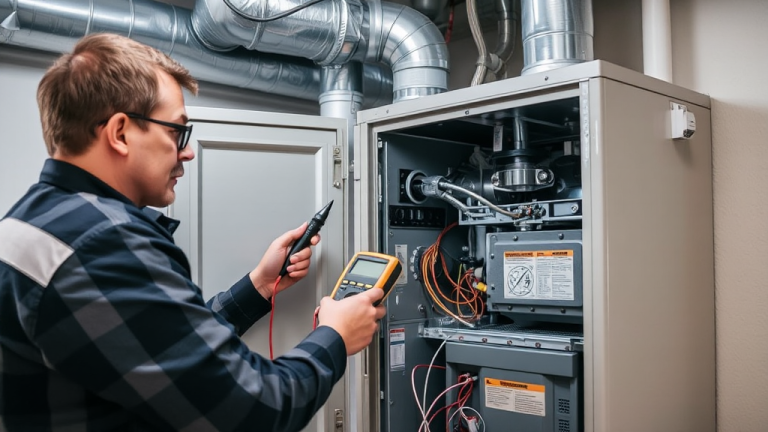


You finished a panel upgrade last week. Took six hours, parts ran $800, and you charged the customer $2,200. Felt fair — until you subtracted materials, the truck roll, insurance, your helper’s day rate, and the permit fee. After the math, your $2,200 job netted about $915 — roughly $152 an hour on paper, before taxes and the unbilled hours (the quote visit, the drive, the paperwork) that shrink it fast. According to the BLS, the median hourly wage for electricians is $30.80, yet independent contractors who don’t price correctly often net less than minimum wage on complex tasks. See our 2026 electrician salary guide for hourly and monthly pay benchmarks by specialty.
How should electricians price their work? Electricians should price work using a cost-plus model: calculate true overhead per billable hour (including non-billable time), add target hourly wage, apply a 15–20% profit margin, then mark up materials 2x–6x cost. Most profitable electrical businesses use flat-rate pricing for routine work and hourly billing for troubleshooting.
This guide covers the three pricing models, the math behind your real billing rate, flat-rate benchmarks for common electrical tasks, and the five mistakes that quietly destroy margins.
In this article:
- The Three Pricing Models (and When to Use Each)
- How to Calculate Your True Hourly Cost
- Material Markup: Stop Selling Parts at Cost
- Flat-Rate Benchmarks for Common Electrical Tasks
- The 5 Pricing Mistakes Draining Your Margins
- How to Present Your Price Without Losing the Task
- FAQ
The Three Pricing Models for Electrical Work
Skipping the DIY route? You can post the job on AllBetter and have ID-verified pros bidding in about 10 minutes — no spam calls, payment held in escrow until you approve the work.
There are three ways to price electrical work. Most successful electricians use a hybrid of all three — knowing when to use which one separates a 10% margin from a 20% margin.
⏱ Hourly (T&M)
Track hours + materials at cost-plus-markup
Best for: Troubleshooting, diagnostics, unknown scope
Risk: Customers dislike open-ended billing
💲 Flat Rate
Fixed price quoted before work begins
Best for: Routine work — outlets, fans, panels, EV chargers
Advantage: Rewards efficiency, builds trust
🔀 Hybrid
Flat rates for standard + hourly for complex
Best for: Most profitable service businesses
Advantage: Predictability + protection
1. Hourly (Time & Materials)
Track hours, charge your billing rate, and add materials at cost-plus-markup. Residential billing rates in 2026 range from $50 to $130 per hour depending on market and experience. Emergency or after-hours calls command 1.5x to 2x your standard rate, plus a trip charge of $100 or more.
Best for: Troubleshooting, diagnostic work, and complex tasks where scope is uncertain. If you don’t know how long it’ll take, don’t quote a flat price.
The risk: Customers dislike open-ended billing. Every hour feels like a meter running. Reserve this model for genuinely unpredictable scope.
2. Flat Rate (Fixed Price)
Quote a set price before work begins. The customer knows the total. You know your margin. Finish faster and you keep the difference. Take longer, and that’s on you.
Best for: Routine, repeatable work — outlet installs, ceiling fan swaps, panel upgrades, EV charger hookups. Anything you’ve done enough times to estimate accurately. Homeowners comparing electrical wiring costs expect transparent flat-rate quotes.
The advantage: Flat-rate pricing rewards efficiency. The faster and better you get at a task, the more you earn per hour. It also eliminates the “how long is this going to take?” conversation that kills trust.
3. Hybrid Model
Use flat rates for standard services. Use hourly for troubleshooting and open-ended work. This is the approach most profitable service businesses use because it balances predictability with protection.
Pro tip: Build a flat-rate menu for your top 15–20 most common tasks. Quote those instantly. For everything else, charge hourly with a “not-to-exceed” cap so the customer has a ceiling. For help building professional quotes quickly, a smarter quoting system can cut estimating time in half.
How to Calculate Your True Hourly Cost
Here’s where most electricians get the math wrong. You work 40 hours a week, divide your target income by 40, and call that your rate. But you’re not billing 40 hours.
Reality check: A typical electrician bills 25 to 30 hours per week. The rest is travel, quoting, scheduling, permits, callbacks, and admin. If you price based on 40 billable hours, you’re undercharging by 25% to 37%. The SBA estimates that small service businesses spend 20–30% of operating hours on non-revenue administrative work — and electricians skew toward the high end because of permit requirements and on-site coordination.
The True Billing Rate Formula
Step 1: Monthly overhead
$4,000 – $12,000
Truck, insurance, tools, software, gas, licensing
Step 2: Overhead / billable hours
$80/hr
$8,000 overhead / 100 hrs/month
Step 3: Add target wage
$130/hr
$80 overhead + $50 take-home
Step 4: Add profit margin (15-20%)
$150 – $156/hr
Your REAL billing rate
Step 1: Add up your monthly overhead — truck payment, insurance, tools, software, phone, gas, licensing, bookkeeping. For most solo to small-crew electricians, this runs $4,000 to $12,000/month. (For strategies to bring that number down, see our 10 cost-saving tips for electrician businesses.)
Step 2: Divide overhead by your average billable hours per month. If you bill 100 hours/month and your overhead is $8,000, your overhead cost per billable hour is $80.
Step 3: Add your target hourly wage. If you want to earn $50/hour in take-home pay, your minimum billing rate is $130/hour ($80 overhead + $50 wage).
Step 4: Add your profit margin. The industry target is 15–20% net. Multiply your break-even rate by 1.15 to 1.20.
That $50/hour you thought you were worth? Your actual billing rate needs to be $150 to $156/hour to hit a healthy margin. According to NECA (National Electrical Contractors Association), electrical contractors who consistently calculate true cost-per-hour outperform industry averages by 2–3x on net profitability.
Material Markup: Stop Selling Parts at Cost
If you’re buying a $12 outlet and selling it to the customer for $15, you’re running a charity.
Industry-standard material markup for electrical work is 2x to 6x cost — that’s a 100% to 500% markup depending on the item. Small commodity parts (outlets, switches, wire nuts) get marked up more. Large-ticket items (panels, breakers, wire runs) get marked up less, but still well above cost.
Target gross profit margin across all services: 65% to 67%. That’s the benchmark well-run electrical businesses aim for, according to NECA industry benchmarking reports.
The markup doesn’t just cover the part. It covers:
- Your time sourcing, purchasing, and transporting the materials
- Warranty risk if the part fails and you have to come back
- Storage costs for inventory you keep on the truck
- Procurement overhead — supplier accounts, minimum orders, returns
The rule: Never itemize materials at cost on an invoice. Either bundle them into a flat-rate price, or list a “materials” line item at your marked-up total. The customer doesn’t need to see your cost — they need to see the value of a task done right.
Flat-Rate Benchmarks for Common Electrical Tasks (2026)
On AllBetter
Ready to get it done?
Fund escrow before work starts. Release payment when you approve the finished work.
Find an electrician near you →Use these as starting points. Adjust for your market, overhead, and local permit costs. Data sourced from HomeAdvisor/Angi pricing reports and industry surveys.
| Task | Typical Price Range (2026) | Notes |
|---|---|---|
| Outlet installation | $133 – $360 per outlet | Higher for GFCI or outdoor rated |
| Ceiling fan install | $150 – $400 | Higher if no existing box |
| 200-amp panel upgrade | $1,300 – $4,000 | Permit required in most jurisdictions |
| EV charger installation | $500 – $2,500 | Depends on panel capacity and run distance |
| Whole-house rewire | $6 – $8 per linear foot | Major project; quote after full inspection |
| Dedicated circuit (new) | $200 – $500 | For appliance, workshop, or A/C unit |
| Light fixture swap | $80 – $250 | Simple swap vs. new wiring |
Permit costs range from $75 to $900 per task depending on jurisdiction and scope. Panel upgrades, new circuits, and anything touching the service entrance almost always require one. List permits as a separate line item — don’t absorb them into your margin.
The 5 Pricing Mistakes That Drain Electrician Margins
Mistake 1: Ignoring Non-Billable Hours
You work 40+ hours a week but only bill 25–30. Travel, quoting, scheduling, permit runs, and admin eat the rest. If your rate is based on 40 billable hours, you’re silently giving away a third of your time. The right business management software can recapture 5–8 of those lost hours weekly.
Mistake 2: One Markup for Every Task
A $200 outlet install and a $15,000 panel upgrade should not carry the same markup percentage. Small tasks consume a disproportionate share of resources — truck roll, admin, minimum labor charges. They need a higher percentage markup to be worth your time.
Mistake 3: Pricing Based on Competitors Instead of Costs
If your overhead is $12,000/month and your competitor’s is $6,000/month, matching their price means operating at a loss. Price from your own cost structure outward. If you can’t compete on price, compete on trust, speed, and professionalism. Platforms like AllBetter help here — homeowners choose based on reviews, verification status, and bid quality, not just the lowest number.
Mistake 4: Absorbing Permit and Inspection Costs
Permits are a real cost. Listing them as a separate line item on your estimate avoids disputes and protects your margin. Be transparent: “Permit fee: $175 (required by [city]).”
Mistake 5: Quoting Optimistically
You think the task will take 4 hours. It takes 6.5. Your margin just evaporated. Research from ELECTRI International found that inaccurate estimating and frequent change orders erode project margins by 15–20%. Always pad your estimate by at least 15% for the unexpected.
How to Present Your Price Without Losing the Task
The best price in the world doesn’t matter if the customer doesn’t trust you enough to say yes. Here’s how top-earning electricians present estimates:
1. Lead with the problem, not the price. “Your panel is original to the house (1987) and rated for 100 amps. Your new EV charger alone needs a 50-amp circuit. Here’s what we need to do…” The customer understands the why before they see the what.
2. Offer good-better-best options. Three tiers give the customer control. Most people pick the middle. You anchored the middle against a premium option, so it feels reasonable.

3. Show your verification. Customers on AllBetter see your identity verification, reviews, and bid history before accepting. That trust shortcut means you don’t have to be the cheapest — just the most credible. Every pro on AllBetter passes Stripe Identity verification before they can bid.
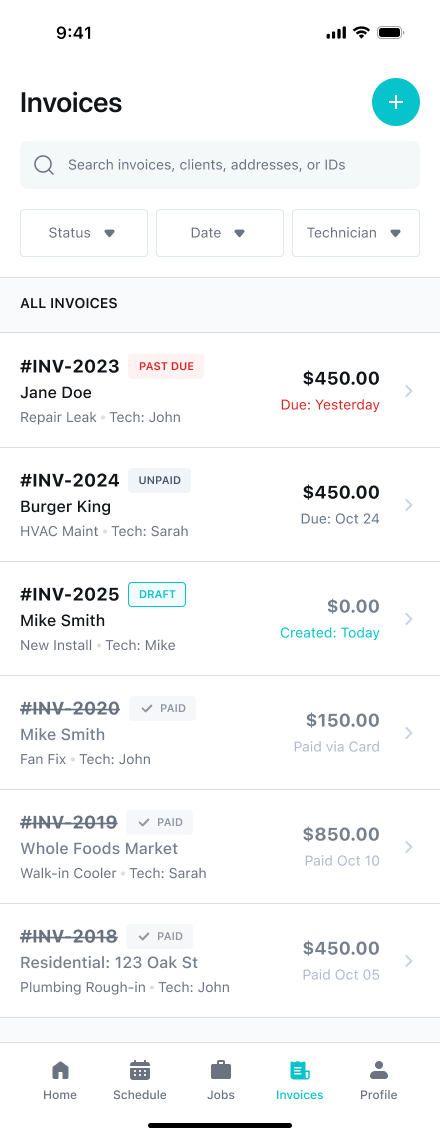
4. Put it in writing instantly. Use field service software to send professional quotes from your phone in under two minutes. The contractor who quotes first usually wins the task. AllBetter Field starts at $29/month — significantly less than Jobber ($69/month) or Housecall Pro ($79/month) — though it has fewer integrations and a less mature CRM than those established platforms.
5. Name the escrow protection. If you’re bidding through AllBetter, remind the customer their payment is held in escrow until they approve the finished work. That removes risk for both sides. Explore more ways contractors find work without lead fees.
Frequently Asked Questions
How much should an electrician charge per hour in 2026?
Residential billing rates in 2026 range from $50 to $130 per hour, depending on market, experience, and overhead. West Coast and Northeast markets command $100+/hour. Southern and Midwestern markets average closer to $75/hour. Emergency and after-hours calls should be billed at 1.5x to 2x your standard rate plus a trip charge.
Is flat-rate or hourly pricing better for electricians?
Most profitable electrical businesses use a hybrid model — flat rates for routine, repeatable work (outlet installs, panel upgrades, fan swaps) and hourly billing for troubleshooting or complex tasks where scope is uncertain. Flat-rate pricing rewards efficiency and builds customer trust because there are no surprises.
What is a good profit margin for an electrical contractor?
The industry average net profit margin is around 10%, but the recommended target is 15–20%. If you’re consistently below 10%, your pricing likely isn’t covering true overhead. Target a gross profit margin of 65–67% across all services, then manage overhead to hit your net target.
How do I get more electrical work without paying for leads?
Post your services on AllBetter: no fee to bid, and a small fee only when you win the job and the invoice is paid. Homeowners post electrical tasks, and verified electricians send competing bids. You only pay a small service fee when you actually win the task and complete the work. Payment is held in escrow until the customer approves, so both sides are protected.
Should I charge separately for electrical permits?
Yes. Permit costs range from $75 to $900 depending on the task and jurisdiction. Always list permits as a separate line item on your estimate. This avoids disputes, protects your margin, and shows the customer you’re doing the work by the book — which builds trust.
What is the standard material markup for electricians?
Industry-standard material markup ranges from 2x to 6x cost (100% to 500% markup). Small commodity parts like outlets and switches get marked up more. Large-ticket items like panels and breakers get marked up less. The target gross profit margin across all materials and labor should be 65–67%, according to NECA benchmarking data.
How do I price electrical work I haven’t done before?
Use hourly (time and materials) pricing with a “not-to-exceed” cap. This protects you from underestimating while giving the customer a worst-case ceiling. Track your actual time carefully on unfamiliar tasks — after completing 3–5 of the same type, you’ll have enough data to build a reliable flat-rate price for future quotes. For a broader look at finding electrical work in your area, start by building a profile that showcases your specialties.
Get an ID-verified electrical pro — without the lead-gen markup
| Feature | Angi / Thumbtack / HomeAdvisor | AllBetter |
|---|---|---|
| Pro Identity Verified | Self-attested, no verification | Stripe Identity verification on every pro |
| Lead Fees to Pros | $15–$80 per lead (passed back to homeowner) | only pay when you win — ever |
| Payment Protection | None — you pay direct, hope for the best | Escrow Shield — you only release payment when work is approved |
| Pro Quality Filter | Anyone can sign up; reviews come later | ID-verified pros, average 3+ bids per job |
| Spam & Auto-Calls | Your phone rings for days after one inquiry | Zero spam — pros message in-platform |
Lead-fee context: electrical leads on traditional platforms run $20-$80 each — that markup gets baked into your quote.
DIY-ing electrical work without an ID-verified pro can turn a $200 fix into a $2,000 do-over — and the quality issues only show up months later. The safer move is to post the job on AllBetter — you get ID-verified bids in minutes, no obligation.
Your money sits in escrow and is released only when you approve the work.
The Bottom Line
Pricing electrical work isn’t guessing what the market will bear. It’s math — and most electricians are doing the math wrong.
- Know your true hourly cost. Factor in non-billable hours and overhead before you set a rate. If you’re billing less than $100/hour and running a truck, you’re probably losing money.
- Mark up materials properly. The industry standard is 2x to 6x cost. Selling parts at cost-plus-15% subsidizes the customer’s project with your time.
- Use flat-rate pricing for repeatable work. It rewards efficiency, builds customer trust, and makes income predictable.
The electricians who price correctly don’t just survive — they build businesses that scale from one truck to five. And they stop wondering where the money went at the end of every month.
Sources
- U.S. Bureau of Labor Statistics — Electricians, Occupational Outlook Handbook — median electrician wage and regional pay data
- National Electrical Contractors Association (NECA) — contractor profitability and gross-margin benchmarking
- U.S. Small Business Administration — small-business overhead and non-billable-time data
- ELECTRI International — estimating accuracy and change-order margin research
More AllBetter resources: