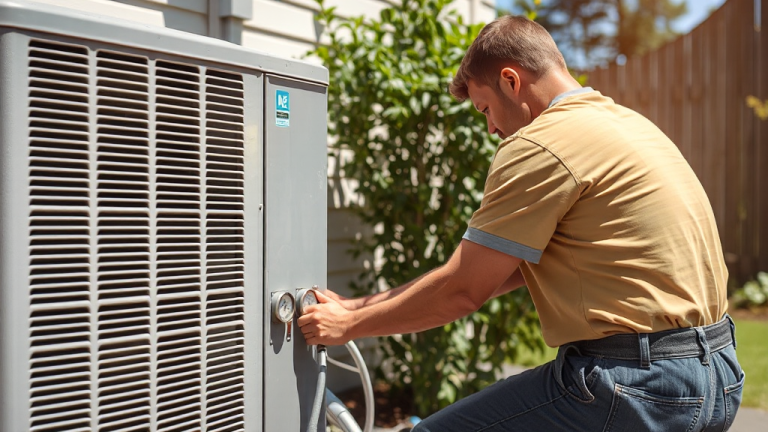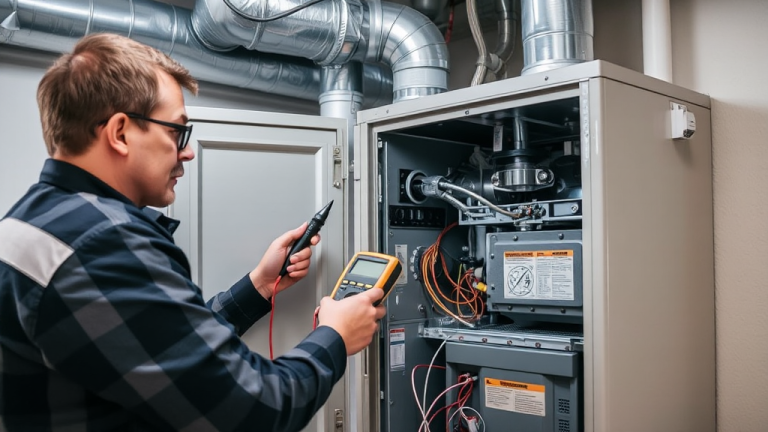

A poorly installed HVAC system costs homeowners an average of $1,500 to $4,000 in wasted energy and premature repairs within the first five years — regardless of how premium the brand is. According to ENERGY STAR, roughly half of all residential HVAC systems in the U.S. are improperly sized, reducing efficiency by 30% and shortening equipment lifespan by years. The brand badge on the unit matters far less than the quality of the installation behind it.
On AllBetter
Need an HVAC pro?
Post the job free and compare bids from identity-verified local pros — payment held in escrow until the work is done right.
Find an HVAC pro near you →What should homeowners prioritize when buying a new HVAC system? Installation quality, proper sizing through Manual J load calculations, and installer credentials outweigh brand name and SEER rating in determining long-term performance and cost. A mid-range system installed correctly will outperform a premium system installed poorly — every single time.
This guide covers the engineering behind proper HVAC sizing, how to evaluate installer competence, which efficiency ratings actually save money, and the common buying mistakes that turn a $8,000 investment into a $15,000 regret.

Why Installation Quality Matters More Than Brand Name
Skipping the DIY route? You can post the job on AllBetter and have ID-verified pros bidding in about 10 minutes — no spam calls, payment held in escrow until you approve the work.
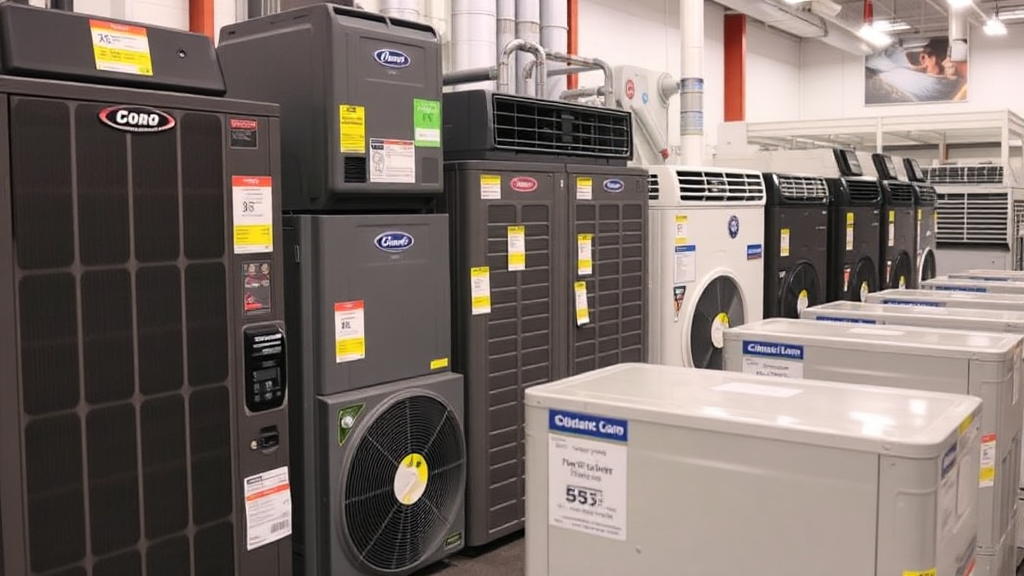
Walk into any HVAC showroom and the conversation starts with brands: Carrier, Trane, Lennox, Rheem. Dealers push premium labels because they carry higher margins. But here’s what the industry data reveals: according to the Air Conditioning Contractors of America (ACCA), installation defects cause more system failures than manufacturing defects by a ratio of roughly 5 to 1.
The reason is straightforward. A furnace or air conditioner is a precision machine designed to move a specific volume of air at a specific temperature differential. When the installation changes variables — undersized ductwork, improper refrigerant charge, missing insulation on supply lines, wrong thermostat placement — the equipment runs outside its design envelope. It cycles too often, works harder than necessary, and wears out faster.
Think of it this way: you’re paying for the installation that happens to include equipment, not equipment that happens to include installation. A $6,000 mid-tier system installed by a contractor who performs Manual J calculations, seals ductwork properly, and verifies refrigerant charge will outperform a $12,000 premium system installed by a crew that skips load calculations and rushes through commissioning.
The Manual J Load Calculation: The Fastest Way to Spot a Good Installer
Manual J is the industry-standard method for calculating exactly how much heating and cooling capacity a home needs. It factors in square footage, insulation levels, window types, orientation, local climate data, and occupancy patterns. The result is a BTU (British Thermal Unit) number that tells the installer exactly what size equipment your home requires.
Why this matters: An oversized system short-cycles — it cools the house too quickly, turns off before dehumidifying properly, and restarts frequently. Each cycle wears the compressor. A system that’s 20% oversized can lose 15% to 20% of its rated efficiency and fail 2 to 3 years earlier than a properly sized unit. An undersized system runs continuously, driving up energy bills and still leaving rooms uncomfortable.
The test for installer competence is simple. Ask: “Will you perform a Manual J load calculation before recommending equipment?” If the answer is anything other than an immediate yes — if they estimate based on square footage alone, or suggest a “rule of thumb” like one ton per 500 square feet — they’re guessing. And that guess costs you money every month for the next 15 years.
A proper Manual J calculation takes 30 to 90 minutes and may cost $100 to $300 as a standalone service. Many quality installers include it in their quote. The cost is trivial compared to the long-term savings from correctly sized equipment.
HVAC Efficiency Ratings Explained: Where the ROI Stops Making Sense
Efficiency ratings are marketing tools dressed as engineering specs. SEER (Seasonal Energy Efficiency Ratio) for air conditioners, AFUE (Annual Fuel Utilization Efficiency) for furnaces, and HSPF (Heating Seasonal Performance Factor) for heat pumps all measure how efficiently the equipment converts energy to heating or cooling under laboratory conditions.
Higher numbers mean less energy waste. But each point of efficiency improvement costs more to purchase, and the energy savings diminish as ratings climb.
| Rating | Equipment Cost Premium | Annual Savings vs. Base | Payback Period |
|---|---|---|---|
| 14 SEER (minimum) | Baseline | — | — |
| 16 SEER | +$800 – $1,500 | $100 – $200/yr | 5 – 10 years |
| 18 SEER | +$2,000 – $3,500 | $150 – $250/yr | 8 – 15 years |
| 20+ SEER | +$3,500 – $6,000 | $180 – $300/yr | 12 – 20+ years |
The sweet spot for most homeowners is 16 SEER. The energy savings justify the modest premium, and payback occurs well within the system’s lifespan. Jumping to 20+ SEER rarely pencils out unless you live in an extreme climate where the system runs 8+ months per year, or you qualify for utility rebates that offset the premium.
According to the DOE, upgrading from 10 SEER to 16 SEER saves approximately 37% on cooling costs. But upgrading from 16 SEER to 20 SEER saves only an additional 10% — while the equipment cost may increase by $3,000 or more.
Heat Pumps: When They Make Financial Sense
On AllBetter
Ready to get it done?
Fund escrow before work starts. Release payment when you approve the finished work.
Find an HVAC pro near you →Heat pumps move heat rather than generating it, making them significantly more efficient in moderate climates. Modern cold-climate heat pumps now perform effectively down to -15°F, expanding their viable territory dramatically. According to the DOE, heat pumps can reduce electricity use for heating by approximately 50% compared to electric resistance heating.
The financial case for a heat pump depends on three factors: your local electricity and gas rates, your climate zone, and available incentives. In regions where electricity costs less than $0.12/kWh and natural gas exceeds $1.50/therm, heat pumps provide clear savings. Federal tax credits through the Inflation Reduction Act offer up to $2,000 for qualifying heat pump installations, and many states add additional rebates.
The trade-off: heat pump installations typically cost $3,000 to $8,000 more than comparable furnace-AC combinations. In climates where temperatures regularly drop below 10°F for extended periods, a dual-fuel system (heat pump plus gas furnace backup) provides the best combination of efficiency and reliability — though at the highest upfront cost.
The 8-Point HVAC Installer Evaluation Checklist
Use this checklist to evaluate any HVAC installer before signing a contract. Each point addresses a specific quality or credibility marker that separates professionals from cut-rate operators.
- Manual J load calculation included. Non-negotiable. If they size by square footage alone, find another installer.
- NATE certification or equivalent. North American Technician Excellence (NATE) certification demonstrates competence verified by an independent third party, not just the manufacturer.
- Licensed, bonded, and insured. Verify the license number with your state’s contractor board. Ask for the Certificate of Insurance showing current general liability coverage.
- Detailed written proposal. The quote should itemize equipment model, labor hours, permits, ductwork modifications, thermostat, and warranty terms — not a single lump sum.
- Permit pulling confirmed. HVAC installations require permits in virtually every jurisdiction. A quality installer handles permits as standard practice, not as an optional add-on.
- Ductwork assessment included. New equipment connected to leaky or undersized ductwork loses 20% to 30% of efficiency. The installer should evaluate your existing duct system and recommend modifications if needed.
- Post-installation commissioning. After installation, the technician should verify refrigerant charge, airflow across the coil, temperature differential, and thermostat calibration. This 30-minute process confirms the system operates at rated efficiency.
- Warranty terms in writing. Understand both the manufacturer warranty (parts, typically 5 to 10 years) and the installer warranty (labor, typically 1 to 2 years). Some installers offer extended labor warranties — a sign of confidence in their work quality.
For homeowners who want to compare multiple qualified installers, recognizing early signs of HVAC failure helps you plan the purchase timeline instead of panic-buying during a breakdown.
Comparing Platforms for Finding HVAC Installers
The installation company matters more than the equipment brand. Finding qualified HVAC professionals through the right channel improves your odds of a quality installation.
Thumbtack connects homeowners with HVAC installers who bid on projects. The large network provides multiple quotes quickly. Professionals pay per lead, which some factor into pricing. For large HVAC installations, comparing multiple Thumbtack quotes against manufacturer dealer referrals gives the broadest picture of market pricing.
Angi offers pre-screened HVAC contractors with review histories. Their pre-priced services work well for standard replacements. The paid advertising model means top-listed contractors aren’t necessarily the highest rated — they may have the largest advertising budget.
AllBetter charges contractors $0 in lead fees and holds homeowner payments in escrow until the installation passes your review. Every provider is Stripe Identity verified. The platform is newer with a smaller network — coverage varies by region. In markets where HVAC professionals are active, the zero-fee model means installers bid their actual cost without platform markups.
Manufacturer dealer networks (Carrier, Trane, Lennox authorized dealers) offer factory-trained installers who know the specific equipment line. The limitation: they’ll only recommend their brand, removing your ability to compare across manufacturers. Pricing tends to be 10% to 20% higher than independent installers.
5 HVAC Buying Mistakes That Cost Thousands
- Choosing based on brand reputation alone. Brand quality varies by product line and model year. A brand’s premium furnace may be excellent while their entry-level air conditioner underperforms. Research specific models, not just logos.
- Skipping the ductwork evaluation. New equipment on old, leaky ductwork is like putting a racing engine in a car with bald tires. According to ENERGY STAR, the typical home loses 20% to 30% of conditioned air through duct leaks. Sealing and insulating ductwork during installation costs $500 to $2,000 but recovers that investment within 2 to 3 years through lower energy bills. For a deeper look at how ductwork, filtration, and humidity control affect your home, see our guide to air purifiers vs whole-house systems.
- Accepting the first quote. HVAC pricing varies dramatically between installers for identical equipment. Getting three itemized quotes routinely reveals $1,500 to $4,000 differences in labor costs, equipment markups, and included services. The time spent collecting quotes pays for itself immediately.
- Ignoring maintenance requirements. Every HVAC system needs annual professional tune-ups and regular filter changes to maintain efficiency and warranty coverage. Budget $150 to $300 per year for professional maintenance. Skipping maintenance voids many manufacturer warranties and reduces system lifespan by 5 to 8 years.
- Timing the purchase during peak season. Emergency replacements during July heat waves or January cold snaps cost 15% to 25% more because demand outstrips installer capacity. Planning your replacement during spring or fall shoulder seasons gives you time to compare quotes, schedule conveniently, and often negotiate better pricing.
How to Budget for a New HVAC System
Total replacement cost depends on your home size, system type, and local labor rates. According to HomeAdvisor, the national average for a complete HVAC replacement is $7,500 to $12,500 — but actual costs range from $5,000 for a basic furnace-AC swap to $20,000+ for a high-efficiency heat pump system with ductwork modifications.
Budget for the full picture: equipment (40% to 50% of total), labor (30% to 40%), permits and inspections (2% to 5%), and ductwork modifications if needed (10% to 20%). The equipment-only price that shows up in online searches represents less than half the real cost. Maintaining your home maintenance schedule keeps the rest of your systems in shape while you invest in HVAC.
Financing options include manufacturer promotions (often 0% APR for 12 to 60 months), HVAC company financing, home equity lines, and utility-sponsored programs. Federal tax credits through the Inflation Reduction Act provide up to $2,000 for heat pumps and $600 for high-efficiency furnaces. Check your state’s database at dsireusa.org for additional local incentives.
Cut acquisition cost to zero — keep that margin
| Feature | Angi / Thumbtack / HomeAdvisor | AllBetter |
|---|---|---|
| Pro Identity Verified | Self-attested, no verification | Stripe Identity verification on every pro |
| Lead Fees to Pros | $15–$80 per lead (passed back to homeowner) | only pay when you win — ever |
| Payment Protection | None — you pay direct, hope for the best | Escrow Shield — you only release payment when work is approved |
| Pro Quality Filter | Anyone can sign up; reviews come later | ID-verified pros, average 3+ bids per job |
| Spam & Auto-Calls | Your phone rings for days after one inquiry | Zero spam — pros message in-platform |
Lead-fee context: average lead-gen spend at small contractors runs 8-15% of revenue — AllBetter is $0.
Trying to scale on rented platforms with $50-$110 lead fees means revenue grows but margin stays flat — you’re feeding the platform, not the business. The safer move is to see AllBetter business software — you get ID-verified bids in minutes, no obligation.
Your money sits in escrow and is released only when you approve the work.
Frequently Asked Questions
How much does a new HVAC system cost?
A complete HVAC system replacement costs $7,500 to $12,500 on average, including equipment, labor, and permits. Basic furnace and AC replacements start around $5,000, while high-efficiency heat pump systems with ductwork modifications can exceed $20,000. Always get three itemized quotes to understand market pricing in your area.
What SEER rating should I choose?
For most homeowners, 16 SEER provides the best balance of upfront cost and energy savings, with a payback period of 5 to 10 years. Higher ratings (18-20+ SEER) make financial sense only in extreme climates where the system runs 8+ months per year or when significant utility rebates are available.
How long does an HVAC system last?
A properly installed and maintained HVAC system lasts 15 to 20 years for air conditioners and heat pumps, and 20 to 30 years for furnaces. Systems that are improperly sized, poorly installed, or neglected on maintenance typically fail 5 to 8 years earlier than their rated lifespan.
Is a heat pump better than a furnace and AC?
In moderate climates with electricity rates below $0.12/kWh, heat pumps are typically more cost-effective. In cold climates with cheap natural gas, a furnace-AC combination may cost less to operate. Dual-fuel systems (heat pump plus gas backup) offer the best of both but at the highest upfront cost. Federal tax credits of up to $2,000 can offset the heat pump premium.
What is a Manual J load calculation?
Manual J is the engineering standard for calculating exactly how much heating and cooling capacity a home needs. It factors in square footage, insulation, windows, climate, and occupancy to determine the correct BTU requirement. Proper sizing prevents the efficiency losses, comfort problems, and premature failures caused by oversized or undersized equipment.
Should I replace my furnace and AC at the same time?
If both units are more than 12 years old, replacing them together is usually more cost-effective. You save on labor by having one installation visit, and matched equipment operates more efficiently than mismatched components. If one unit is relatively new (under 8 years), replacing only the failed unit is typically the better financial decision.
More AllBetter resources:
Related Reading: