
American homeowners spend an average of $3,000 to $15,000 on landscaping projects annually, according to HomeAdvisor — yet most of that spending follows trends that depreciate rather than appreciate. The landscaping projects that added value five years ago aren’t the same ones buyers care about in 2026. Water features that seemed luxurious are now maintenance liabilities. Exotic plantings that looked impressive require expensive upkeep. The shift toward sustainability, low maintenance, and functional outdoor living means the smartest landscaping investments have fundamentally changed.
On AllBetter
Need a landscaper?
Post the job free and compare bids from identity-verified local pros — payment held in escrow until the work is done right.
Find a landscaper near you →What are the top landscaping trends in 2026? The most popular landscaping trends are sustainable native plantings, low-maintenance designs, outdoor living spaces with functional kitchens and fire features, edible gardens, and drought-resistant landscapes. These trends align with both buyer preferences and long-term property value — the NAHB reports that landscaping focused on sustainability and low maintenance adds 5% to 12% to home value.
This guide covers the landscaping trends that actually increase property value, which ones waste money, and how to implement the best ideas without overspending.
Landscaping Trends That Add Value in 2026
Skipping the DIY route? You can post the job on AllBetter and have ID-verified pros bidding in about 10 minutes — no spam calls, payment held in escrow until you approve the work.
More: mulch installation pros near you
Related read: Workforce automation best practices for home-service operators
The trends dominating residential landscaping share a common theme: they look good while requiring less ongoing work and fewer resources. Buyers in 2026 want yards that enhance their lifestyle without demanding their weekends.
Outdoor Living Spaces
Extending indoor living to the outdoors is the strongest landscaping trend driving property value. Fully equipped outdoor kitchens, fire pits, comfortable seating areas, and covered patios create functional square footage that buyers treat as additional living space. The NAR reports that outdoor living improvements recover 60% to 80% of their cost at resale — and in strong markets, well-designed outdoor spaces become a primary selling feature.
The key is functionality over decoration. A built-in grill with counter space and seating gets used year-round. An ornamental gazebo collects leaves. Buyers evaluate outdoor spaces by asking one question: will I actually use this? Design accordingly.
Sustainable and Native Plantings
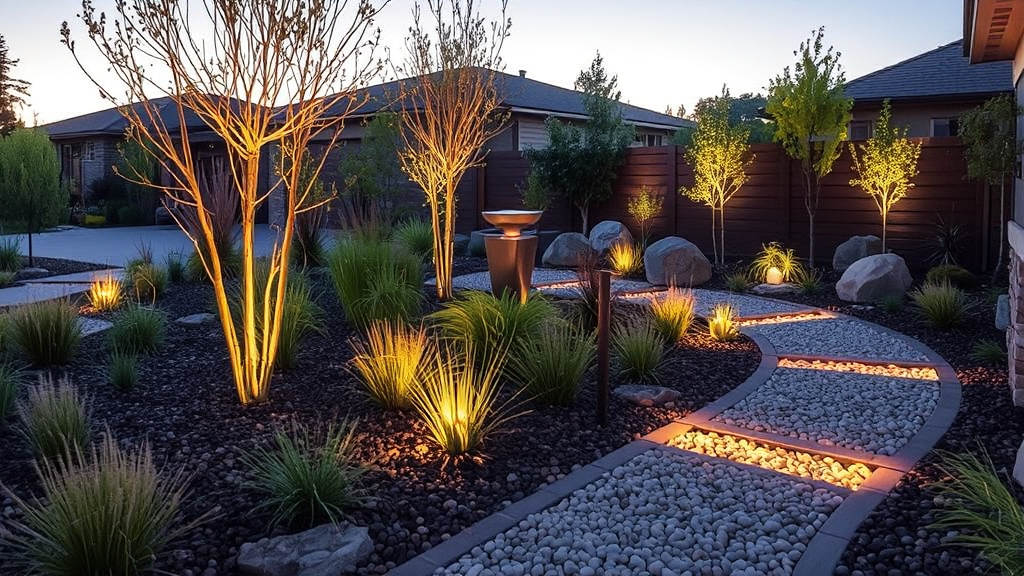
Native plants adapted to your region’s climate require less water, no fertilizer, and minimal maintenance once established. They support local ecosystems, attract pollinators, and survive drought conditions that kill exotic plantings. In water-restricted regions — now covering much of the western and southern United States — native landscapes are becoming the default expectation rather than a premium feature.
According to the EPA, outdoor water use accounts for nearly 30% of residential water consumption. Native plantings can reduce landscape water needs by 50% to 75% compared to traditional lawns and exotic gardens. For homeowners, this translates to lower utility bills and reduced maintenance costs. For buyers, it signals a forward-thinking property that won’t require expensive irrigation rework.
Low-Maintenance Landscape Design
The highest-value landscaping trend in 2026 isn’t a specific plant or feature — it’s the overall design philosophy of requiring minimal upkeep. Drought-resistant plantings, synthetic turf in small accent areas, automated irrigation systems, and mulched beds that suppress weeds all contribute to a landscape that looks maintained with minimal effort.
Homes marketed with “low-maintenance yard” language attract more interest and sell faster, particularly among first-time buyers and busy professionals who want outdoor appeal without outdoor obligations. This trend directly connects to how landscaping increases property value — buyers pay premiums for yards that require minimal ongoing commitment.
Edible Gardens and Raised Beds
Raised bed gardens for herbs, vegetables, and fruits have moved from niche hobby to mainstream landscaping feature. The interest in homegrown food — accelerated by grocery inflation and supply chain awareness — makes functional food gardens an appealing yard element for a growing buyer demographic.
Well-designed raised beds are clean, organized, and add visual structure to the landscape. The investment is modest — $200 to $800 for materials and soil — and the combination of aesthetics and function appeals to buyers who value self-sufficiency. Keep beds simple, geometric, and positioned for easy access. Avoid sprawling vegetable plots that look like work rather than a lifestyle feature.
Herb gardens near outdoor kitchens create a particularly strong impression during showings — they connect two trending features into a cohesive lifestyle story. Cedar or composite raised beds last 10 to 15 years, making them a durable investment that future owners inherit rather than need to replace.
Wellness and Sensory Gardens
The connection between outdoor spaces and mental health drives a growing trend toward wellness-oriented garden design. Meditation areas with natural stone seating, sensory gardens featuring aromatic herbs and textured plantings, and quiet water features that create ambient sound all contribute to outdoor environments designed for relaxation rather than display.
This trend resonates with buyers who view their yard as an extension of their living space — not a decorative obligation. The cost is relatively low since wellness gardens rely more on thoughtful design than expensive materials. Lavender, rosemary, and ornamental grasses create sensory variety at $5 to $15 per plant — an entire wellness garden bed can be established for under $200.
Landscaping Trends That Lose Money
On AllBetter
Ready to get it done?
Fund escrow before work starts. Release payment when you approve the finished work.
Find a landscaper near you →Not every trending idea adds value. Several popular landscaping features cost thousands to install but appeal to narrow buyer pools — making them poor investments unless you plan to stay long-term.
| Feature | Typical Cost | Why It Loses Value |
|---|---|---|
| Koi ponds / water features | $3,000 – $15,000 | High maintenance, liability concerns, narrow appeal |
| Elaborate custom hardscaping | $10,000 – $30,000 | Personal taste rarely matches buyer taste |
| High-maintenance exotic plants | $2,000 – $8,000 | Ongoing care costs, climate vulnerability |
| Swimming pools (in some markets) | $25,000 – $65,000 | Insurance, maintenance, seasonal use limitations |
The pattern: features that require ongoing maintenance, carry liability, or reflect personal rather than universal taste tend to lose money at resale. Buyers calculate the cost of maintaining what you’ve built — and expensive features that demand regular attention become negotiation points rather than selling points. Avoiding these common renovation mistakes keeps your landscaping investment in positive ROI territory.
How to Implement Trending Landscapes Cost-Effectively
Implementing current landscaping trends doesn’t require a $15,000 budget. The highest-impact changes cost a fraction of full landscape redesigns.
Start with cleanup. Before adding features, complete the basics: mow, edge, mulch, prune, and remove dead plantings. Basic curb appeal services deliver the highest return per dollar and create the clean canvas that makes new features look intentional rather than scattered.
Add native plants in phases. Replace one garden bed per season with native plantings. This approach spreads cost over time and lets you evaluate which plants thrive in your specific conditions before committing to a full conversion. Most nurseries offer native plant selections specifically curated for your USDA hardiness zone.
Build one functional outdoor feature. A fire pit with surrounding seating ($500 to $2,000) or a simple outdoor kitchen station ($1,500 to $5,000) creates a usable outdoor living space without the cost of a full landscape redesign. Focus on features you’ll actually use — they photograph well for listing purposes and demonstrate that the outdoor space functions as additional living area.
Install smart irrigation. A smart irrigation controller ($100 to $300) with drip lines to planted beds saves 30% to 50% on water costs and demonstrates sustainable design to future buyers. This upgrade pays for itself within one to two seasons in water savings while aligning with the low-maintenance trend. Including irrigation in your annual home maintenance routine prevents the system failures that turn efficient irrigation into expensive water waste.
Finding Landscaping Professionals
Thumbtack connects homeowners with landscapers through competitive bidding. Large network for quick responses on design, installation, and maintenance. Useful for comparing quotes on specific projects like native plantings or hardscaping.
Angi offers pre-screened landscaping professionals with review histories. Pre-priced packages simplify comparison for recurring maintenance and seasonal work.
AllBetter charges landscapers $0 in lead fees, with payments held in escrow until work is confirmed. All providers pass Stripe Identity verification. The network is smaller — availability varies by market. Where active, the zero-fee model keeps landscaping quotes competitive.
When evaluating landscapers for trend-forward work, ask specifically about experience with native plantings and sustainable design. Many traditional landscapers default to familiar exotic species because that’s what they’ve always planted. A landscaper who understands native ecology delivers results that cost less to maintain and align with what buyers value. Understanding how lawn care services are priced helps you evaluate whether quotes for trend-forward work are reasonable — native plantings should cost the same or less than traditional landscaping since the plants are locally sourced and require less soil amendment. Factoring landscaping into your broader awareness of hidden homeownership costs helps you budget for improvements that build equity rather than create ongoing expenses.
Find Landscaping Pros for 2026
Get matched with landscapers who know the latest trends. Free quotes on AllBetter.
Related: landscape design pros near you
Hire an ID-verified home services pro — without the lead-gen markup
| Feature | Angi / Thumbtack / HomeAdvisor | AllBetter |
|---|---|---|
| Pro Identity Verified | Self-attested, no verification | Stripe Identity verification on every pro |
| Lead Fees to Pros | $15–$80 per lead (passed back to homeowner) | only pay when you win — ever |
| Payment Protection | None — you pay direct, hope for the best | Escrow Shield — you only release payment when work is approved |
| Pro Quality Filter | Anyone can sign up; reviews come later | ID-verified pros, average 3+ bids per job |
| Spam & Auto-Calls | Your phone rings for days after one inquiry | Zero spam — pros message in-platform |
Lead-fee context: home services leads on traditional platforms run $20-$80 each — that markup gets baked into your quote.
DIY-ing home services work without an ID-verified pro can turn a $200 fix into a $2,000 do-over — and the quality issues only show up months later. The safer move is to post the job on AllBetter — you get ID-verified bids in minutes, no obligation.
Your money sits in escrow and is released only when you approve the work.
Frequently Asked Questions
What are the biggest landscaping trends in 2026?
The dominant trends are sustainable native plantings, low-maintenance design, functional outdoor living spaces (kitchens, fire pits, covered patios), edible gardens with raised beds, and wellness-oriented garden features. All of these trends emphasize function, sustainability, and minimal ongoing maintenance.
Which landscaping trends add the most home value?
Outdoor living spaces and sustainable native landscapes add the most value. The NAR reports that outdoor living improvements recover 60% to 80% of their cost. Native plantings reduce maintenance costs by 50% to 75%, which buyers factor into their valuation of the property.
What landscaping trends should I avoid?
Avoid koi ponds, elaborate custom hardscaping, high-maintenance exotic plantings, and features that reflect personal taste rather than broad market appeal. These cost thousands to install, require ongoing maintenance, and rarely recover their cost at resale.
How much do trending landscaping features cost?
Costs vary widely. Native plant conversion costs $500 to $3,000 per bed. A fire pit with seating runs $500 to $2,000. An outdoor kitchen station costs $1,500 to $5,000. Smart irrigation systems cost $100 to $300. The highest-impact trends are also the most affordable — basic cleanup and native plantings deliver the best value for the lowest investment.
Are native plants really better than traditional landscaping?
For most homeowners, yes. Native plants require less water (50% to 75% reduction per the EPA), no fertilizer, and minimal maintenance once established. They survive local climate conditions that stress exotic species and support beneficial pollinators. The lower ongoing cost makes native landscapes more attractive to buyers who want a beautiful yard without high maintenance expenses.
Can I implement landscaping trends myself?
Basic improvements like adding raised beds, planting native species, and installing smart irrigation controllers are manageable DIY projects. Design work, hardscaping, tree installation, and complex grading require professional expertise. For best results, consult a landscaper for the design plan and handle simple planting yourself to reduce total cost.
How do I choose between trendy and timeless landscaping?
Prioritize trends that solve real problems — water conservation, low maintenance, functional outdoor living — over purely aesthetic trends. Native plantings and outdoor living spaces are both trendy and timeless because they align with practical needs that won’t change. Decorative trends like specific color palettes or ornamental styles cycle in and out — invest in them only if you personally enjoy them and plan to stay in the home long-term.
Related: local paver patio and hardscape pros
More AllBetter resources: